
Hand.-Mazz.
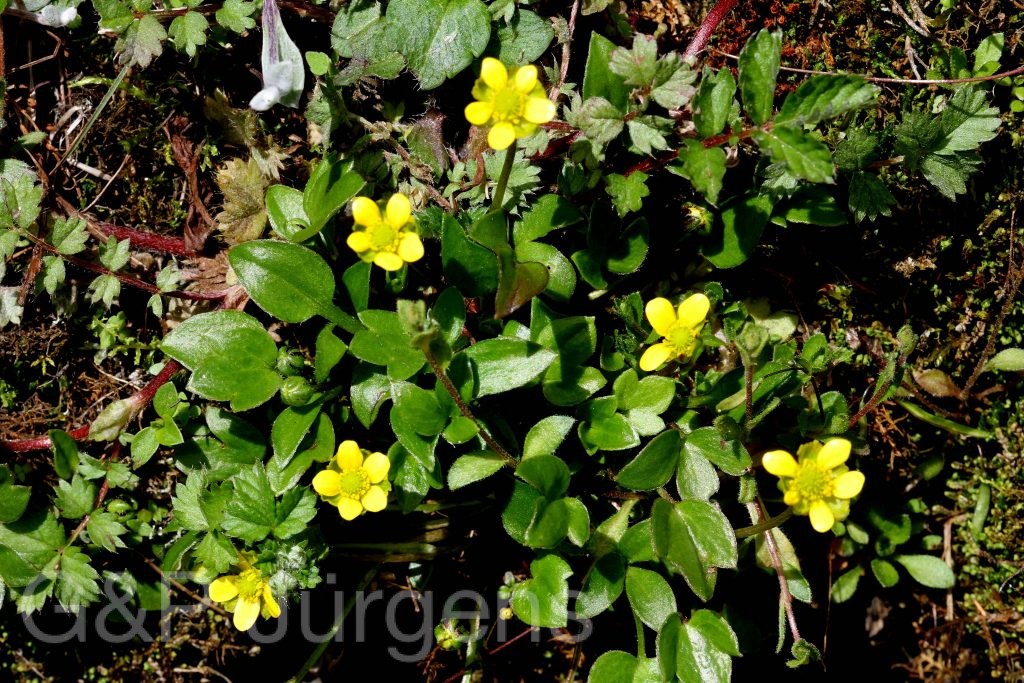
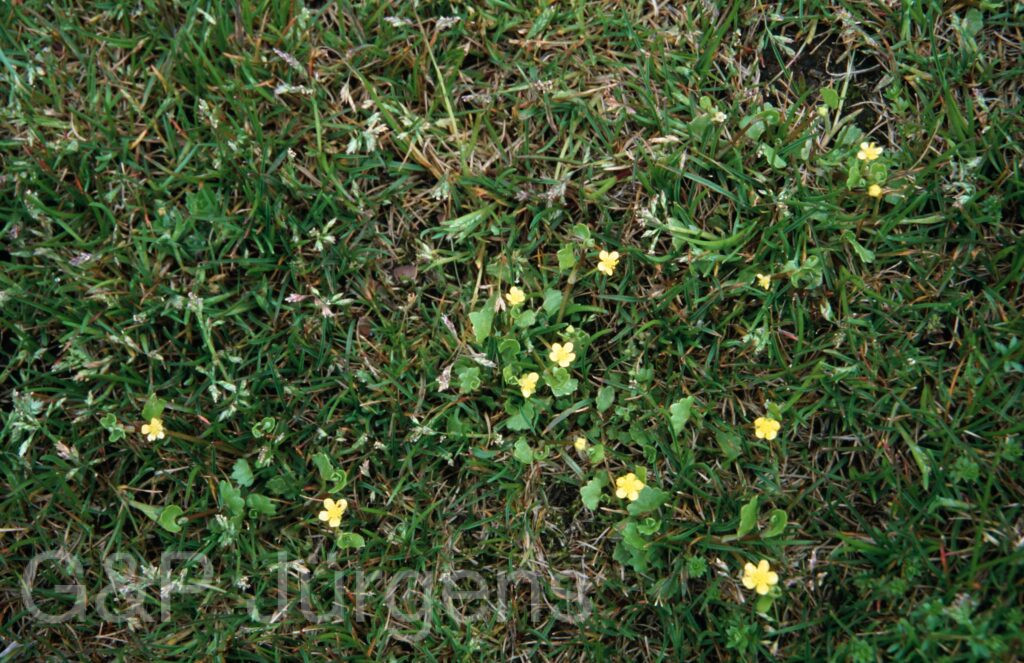
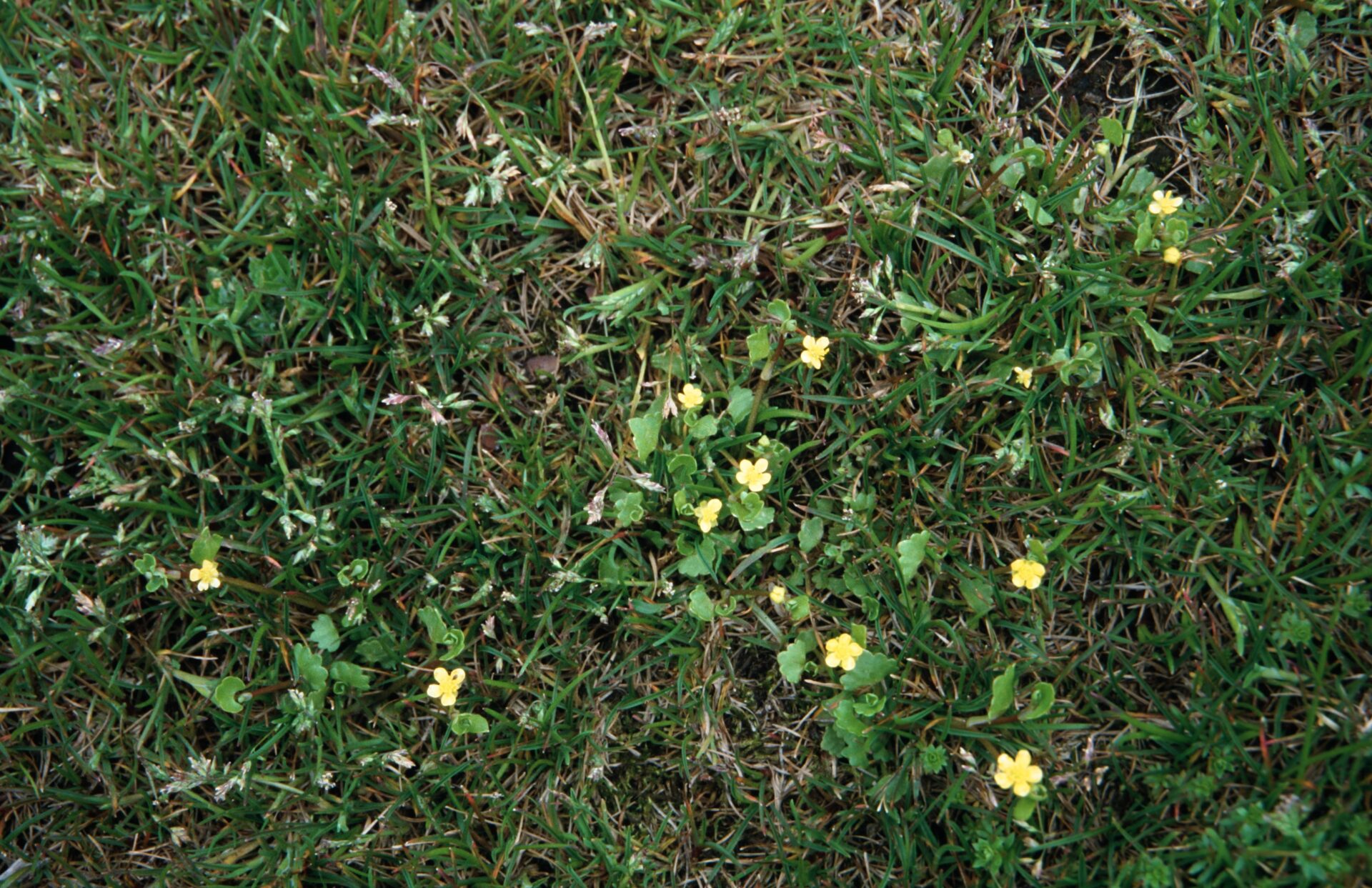
Description
Ranunculus microphyllus is a Sino-Himalayan alpine buttercup whose core GBIF range (c. 399 occurrences) lies in China, Nepal, India and Bhutan, with scattered records elsewhere reflecting cultivated or misdetermined material. It grows in open alpine turf, moist meadows, snowmelt flushes, damp rock ledges and stream banks, typically between about 3000 and 4200 m. The cited localities—Yumthang in Sikkim at 3700 m in June, Lambra Kharka in the Nepalese Gorkha at 3200 m, and Sandakphu in West Bengal at 3200 m, both in May—illustrate its spring-to-early-summer flowering across moist, cool, high-elevation grasslands and seepage of the central and eastern Himalaya.
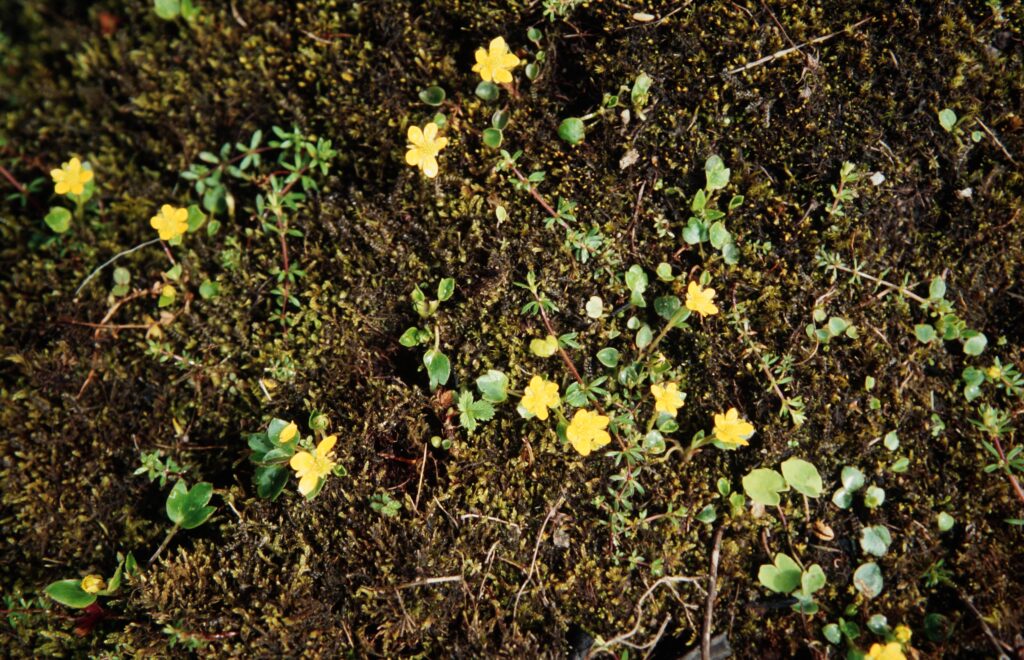
It is a small, tufted perennial herb, the stems low and ascending, often somewhat hairy, arising from a fibrous-rooted base. As the epithet implies the leaves are small; the basal leaves are petiolate and shallowly to deeply three-lobed or crenate, while the stem leaves are reduced and more dissected. The flowers are solitary or few, with the typical buttercup plan: five green sepals, five glossy bright-yellow petals each with a basal nectary, and numerous spirally arranged stamens and free carpels. The fruit is a globose head of small, slightly beaked achenes.
Described by Handel-Mazzetti, R. microphyllus belongs to the large, taxonomically intricate genus Ranunculus, in which the small-leaved Himalayan alpines form a closely related and often confused complex. It is locally common and not of conservation concern, though confined to moist high-altitude habitats sensitive to warming. Ecologically it is characteristic of snowmelt-fed alpine meadows, its open flowers offering accessible nectar and pollen to flies and other high-altitude insects.
Author: Hand.-Mazz. · Sources: POWO (Kew), GBIF, Flora of China, Annotated Checklist of the Flowering Plants of Nepal, Tamura monograph of Ranunculaceae