
Majumdar
Description
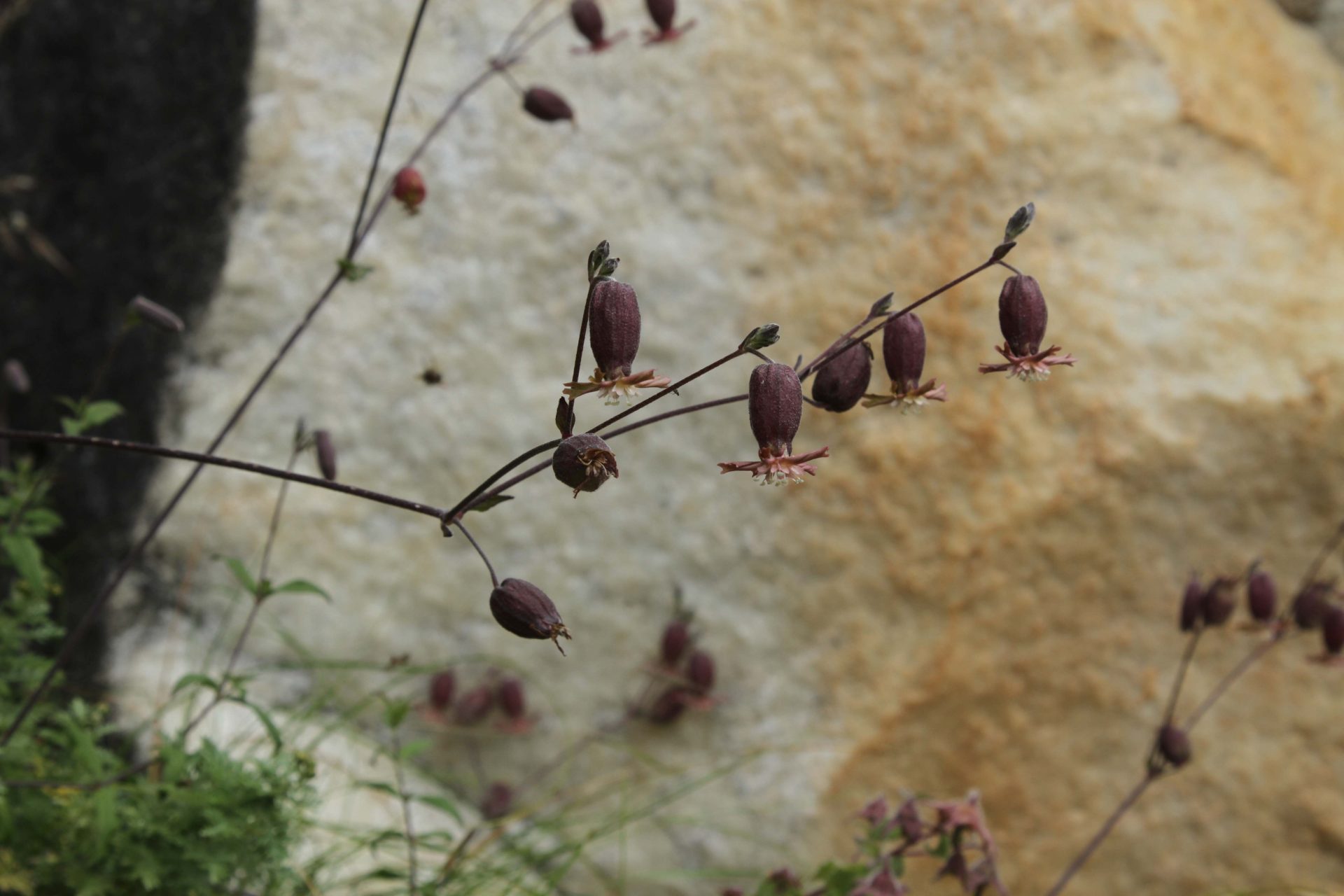
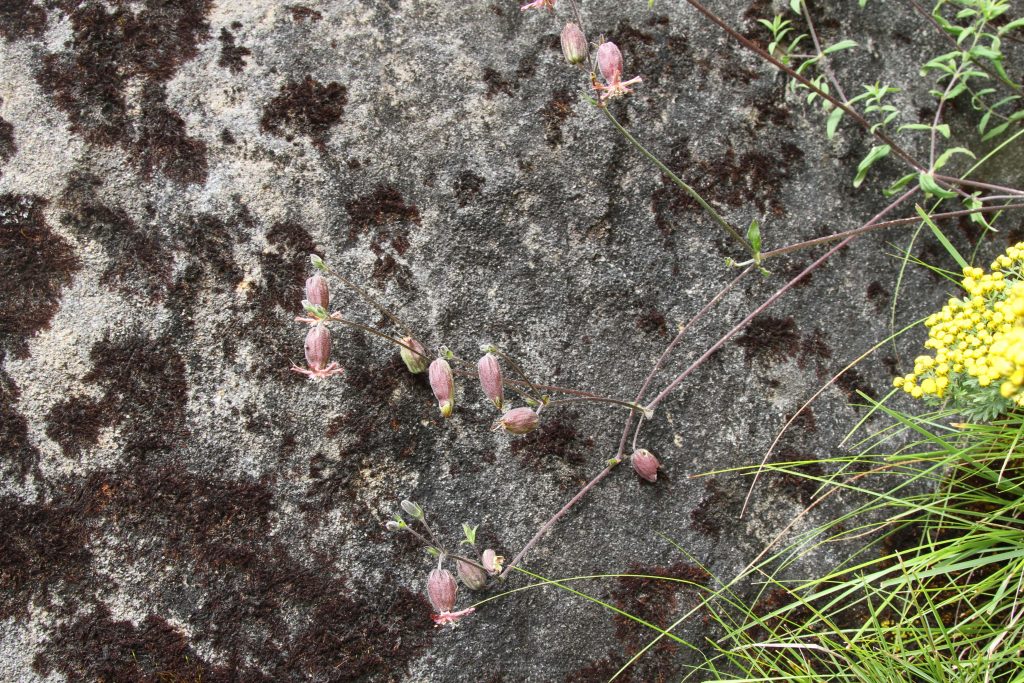
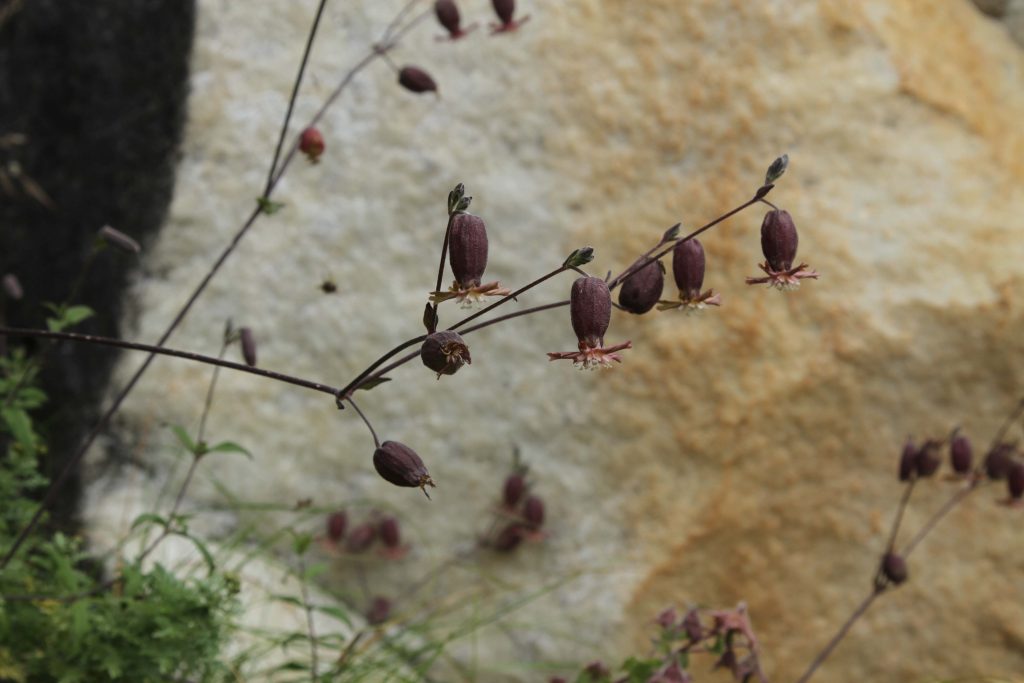
Silene nepalensis is a Himalayan campion distributed from Pakistan through Nepal and northern India to Bhutan and south-central China, the nearly four hundred GBIF records confirming a fairly broad high-montane range across the range. It occupies alpine and subalpine meadows, open stony slopes, rock crevices and the margins of scrub above the forest, where it flowers into the late season. The photographed plant from the Shele-La in Bhutan at 4000 m, flowering in September, illustrates its tolerance of the cold, exposed high passes and its comparatively late, autumn flowering at the upper limits of the alpine zone.
The species is a tufted perennial herb arising from a stout, often woody rootstock and producing several ascending to erect stems. The leaves are opposite, narrowly lanceolate to linear and somewhat ciliate at the margins. The flowers are borne in a lax cyme; the calyx is tubular to clavate, ten-veined and inflated in fruit, while the five petals are clawed with a bifid, white to pinkish limb and a small coronal scale at the throat. The androecium has ten stamens and the ovary three styles; the fruit is a capsule dehiscing by six apical teeth and containing numerous reniform seeds.
Silene nepalensis is an accepted species of the large, taxonomically difficult genus Silene (Caryophyllaceae, tribe Sileneae), where the inflated ten-veined calyx and clawed coronate petals are diagnostic. Its perennating woody base and crevice habit are adaptations to the desiccating winds and shallow soils of the high Himalaya. The species is widespread and not currently regarded as threatened, though its alpine populations are sensitive to grazing pressure and warming-driven range contraction.
Author: Majumdar · Sources: POWO (Kew), GBIF, Flora of China, Flora of Bhutan, Bocquet & Chowdhuri revision of Himalayan Silene (Caryophyllaceae monograph)