
(C.B.Clarke) Kitam.
Description
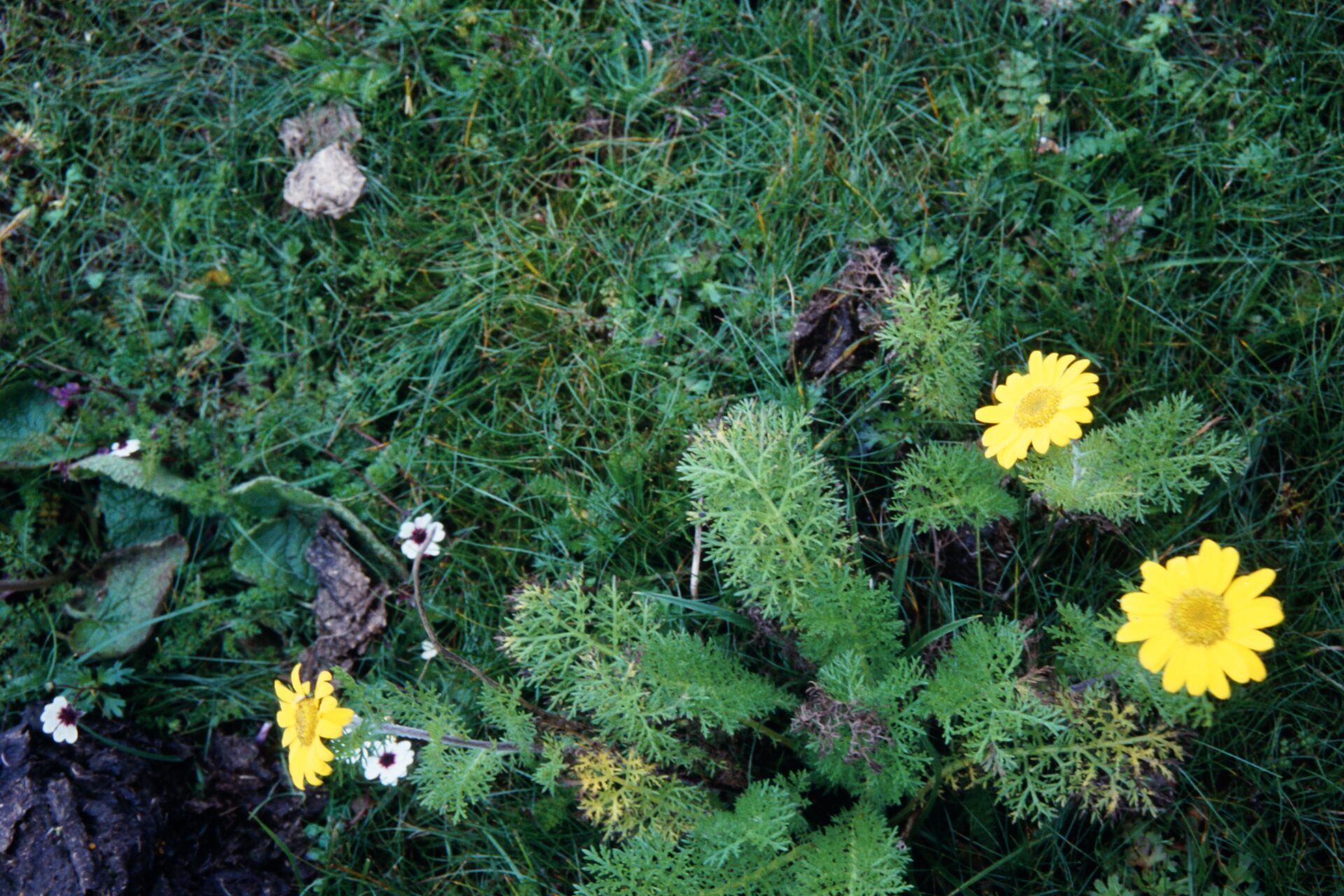
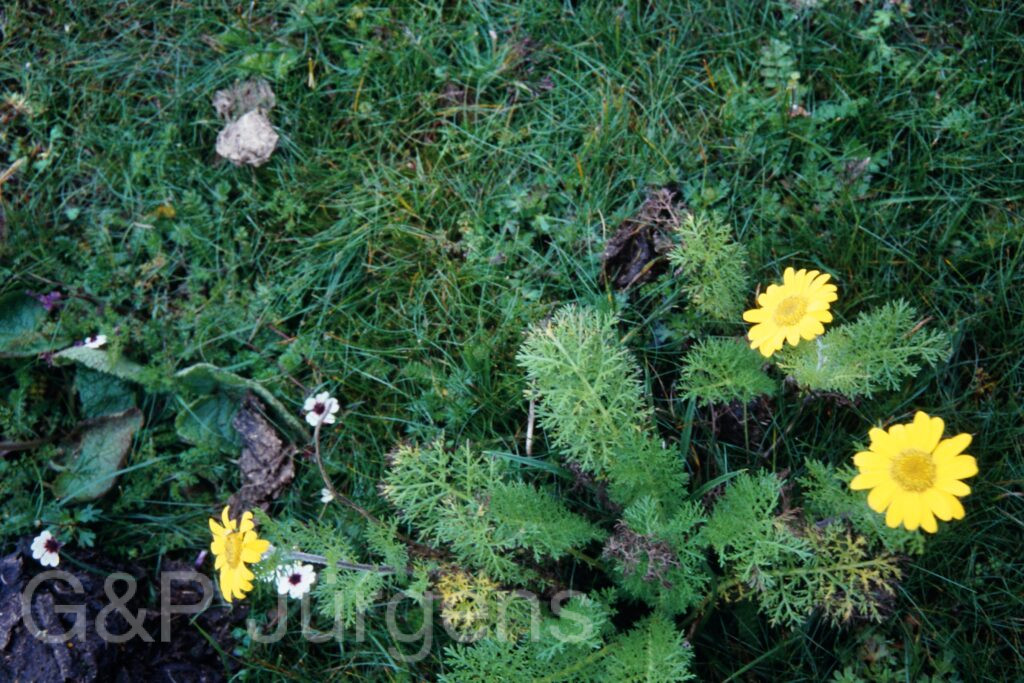
Tanacetum atkinsonii is an aromatic alpine composite of the Himalaya, recorded from Nepal, India, Bhutan and southern China, with GBIF holding around 102 occurrences across this range. It grows on open, stony alpine slopes, rocky pastures, screes and dry grassy banks in the high alpine zone, generally between about 3500 and 4500 m, where it tolerates strong insolation, cold and free-draining substrates. The illustrated plant from Dzongri in Sikkim at 4000 m, flowering in August, is characteristic of these exposed high-altitude habitats and of its late-summer flowering after the monsoon.
It is a perennial, aromatic herb with a woody rootstock producing erect to ascending stems and finely divided, pinnately dissected or bipinnatisect leaves that are grey-green and often hairy, releasing a tansy-like scent when crushed. The capitula (flower heads) are borne in a terminal corymb; each head has an involucre of imbricate, scarious-margined bracts and the typical Tanacetum structure of yellow disc florets, with the marginal florets reduced or shortly rayed rather than conspicuously ligulate. The fruit is a small, ribbed, glandular cypsela, usually with a short membranous corona rather than a true pappus.
Transferred to Tanacetum by Kitamura from an original placement under Chrysanthemum/Pyrethrum by C.B. Clarke, the species sits within the taxonomically fluid tansy group of the tribe Anthemideae, distinguished by its dissected aromatic foliage and reduced ray florets. A widespread high-Himalayan element, it is of no particular conservation concern.
Author: (C.B.Clarke) Kitam. · Sources: POWO (Kew), GBIF, Flora of Bhutan, Flora of China, Compositae of the Himalaya (specialist treatments)