
P. Taylor
Description
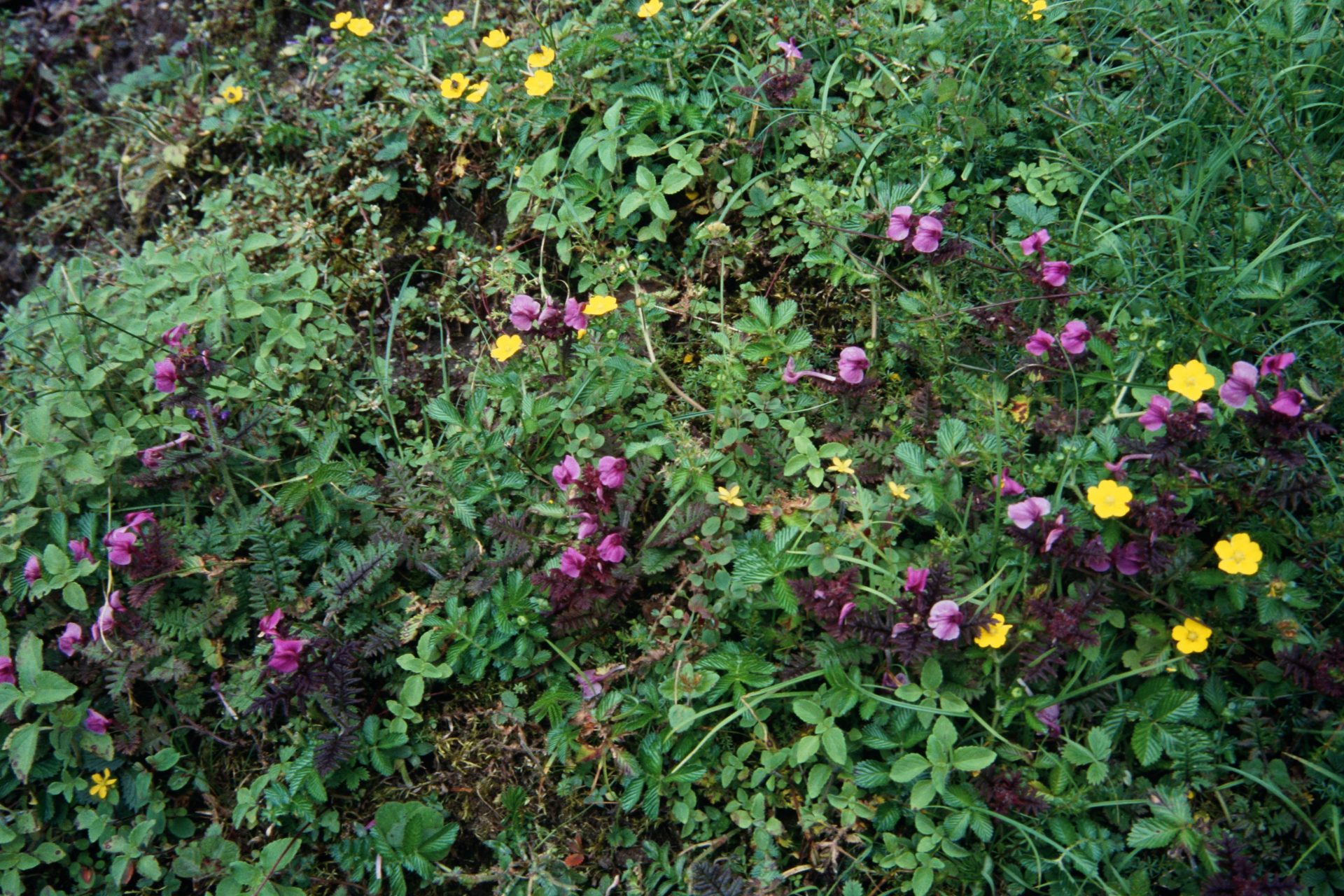
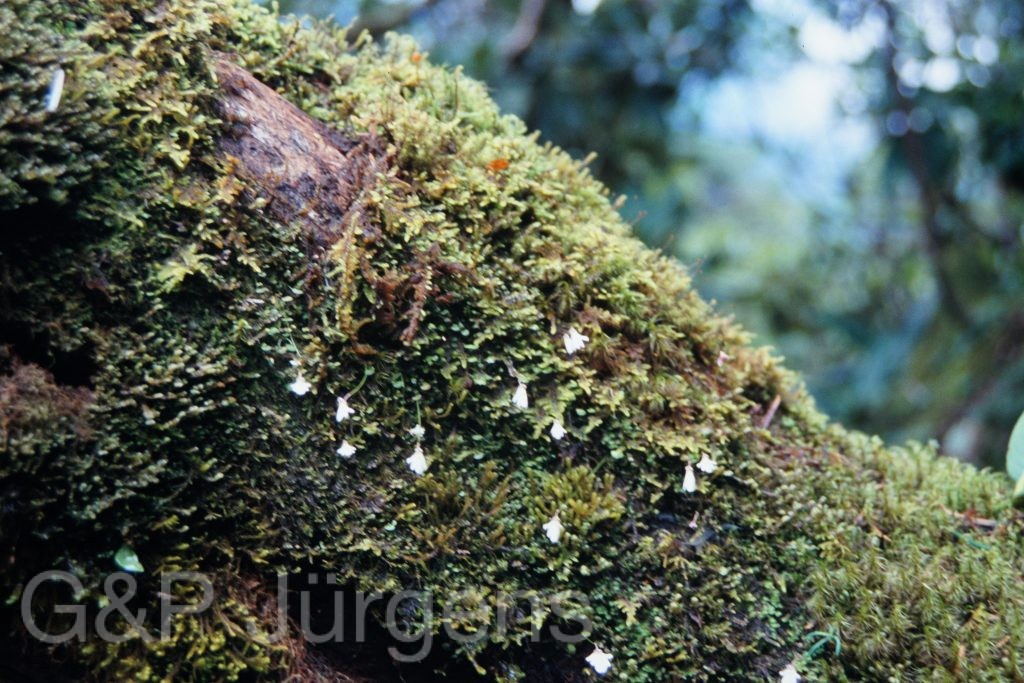
Utricularia christopheri P.Taylor is a small terrestrial bladderwort of the Lentibulariaceae, narrowly restricted to the eastern Himalaya. The very sparse GBIF record (only 14 occurrences) reflects its rarity and confined distribution across Nepal, north India, and Bhutan. It was photographed in Sikkim at Choka at 3,100 m in August, during the monsoon flowering season, in seepage-wet alpine and subalpine ground. The species grows on damp, mossy rocks, wet humic soil, and dripping banks at high elevations, where constant moisture sustains its carnivorous habit.
The plant is a diminutive, rootless herb with slender, creeping rhizoid stolons bearing numerous minute bladder-traps that capture protozoa and small soil invertebrates. The vegetative parts are inconspicuous, with small spathulate leaves. The flowering scape is erect and slender, bearing one to a few comparatively large violet to purplish flowers; the corolla is two-lipped and spurred, the lower lip prominent, distinguishing christopheri within the section to which it belongs by its floral proportions and high-montane ecology.
Utricularia, the largest carnivorous plant genus, is divided into numerous sections, and christopheri belongs to a small group of Himalayan terrestrial species. Its extreme rarity, narrow elevational band, and dependence on permanently wet microhabitats make it potentially vulnerable to hydrological disturbance and climate change, although its remoteness affords some protection. The species remains poorly collected, and its full range is likely undersampled.
Author: P. Taylor · Sources: POWO (Kew), Flora of Bhutan Vol. 2, Flora of Nepal, GBIF, Taylor: The Genus Utricularia – A Taxonomic Monograph (1989)