
(Hook.f. & Thomson) Mosyakin
Description
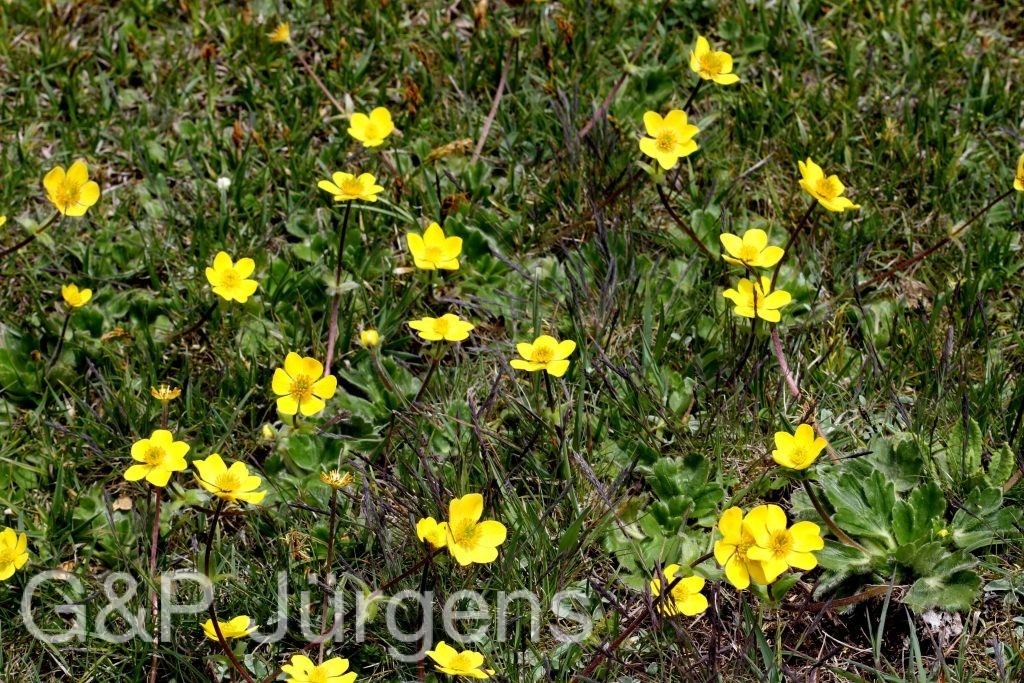
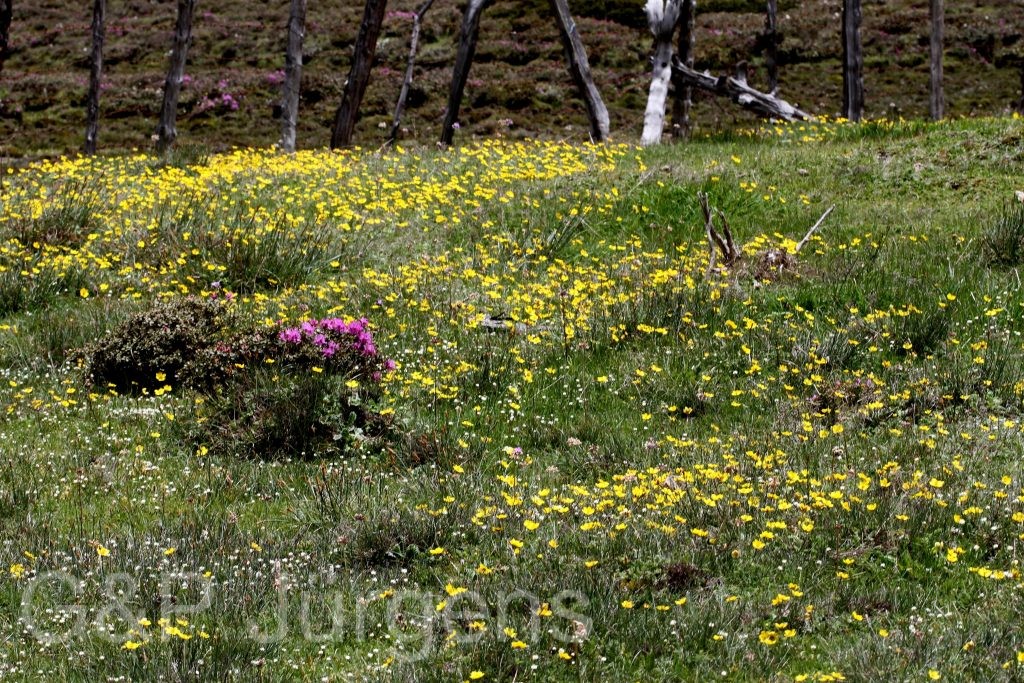
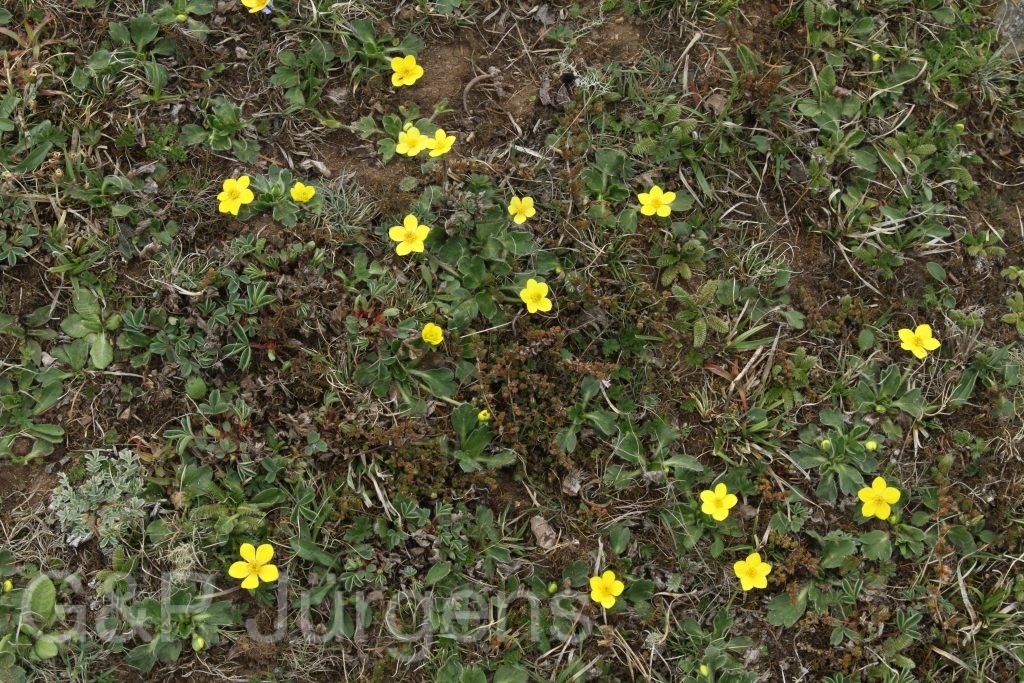
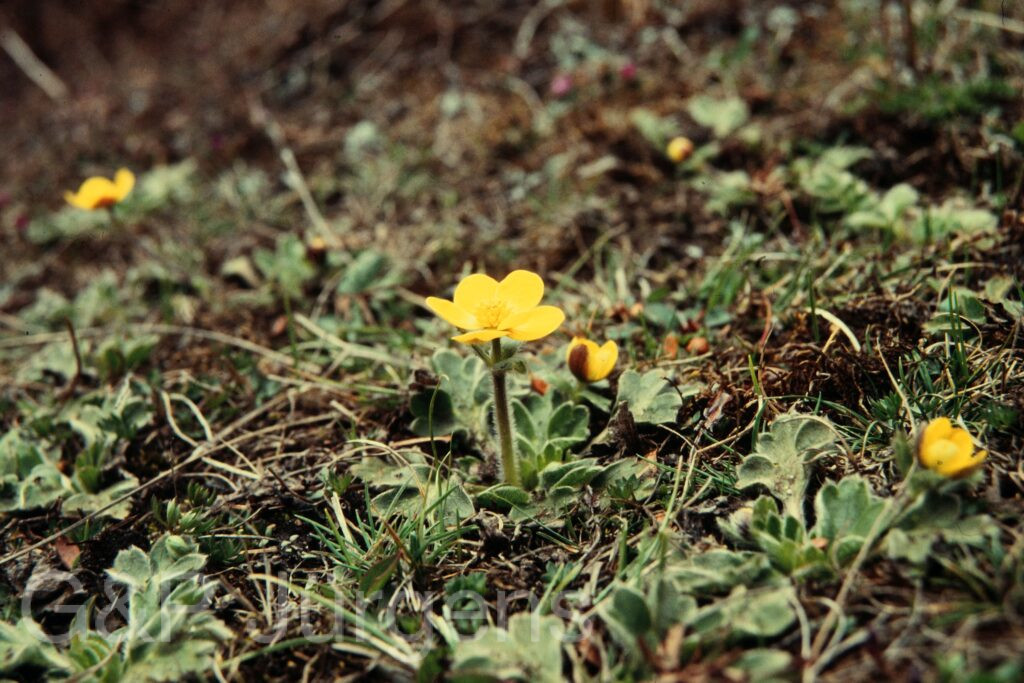
Anemonastrum trullifolium is a Himalayan alpine herb ranging through China, India, Nepal and Bhutan, with 317 occurrences in GBIF (additional records from Britain, Myanmar, Norway and Sweden reflect cultivated or determinavit material). It grows in alpine meadows, open slopes and the margins of dwarf-shrub heath, typically between 3500 and 4500 m. Field collections span Sikkim's Tanghu at about 4000 m in June, Chele-La in Bhutan at 4000 m in May, and Thudam in Nepal at 3690 m in April, indicating an early-season flowerer that tracks receding snow on moist subalpine to alpine turf.
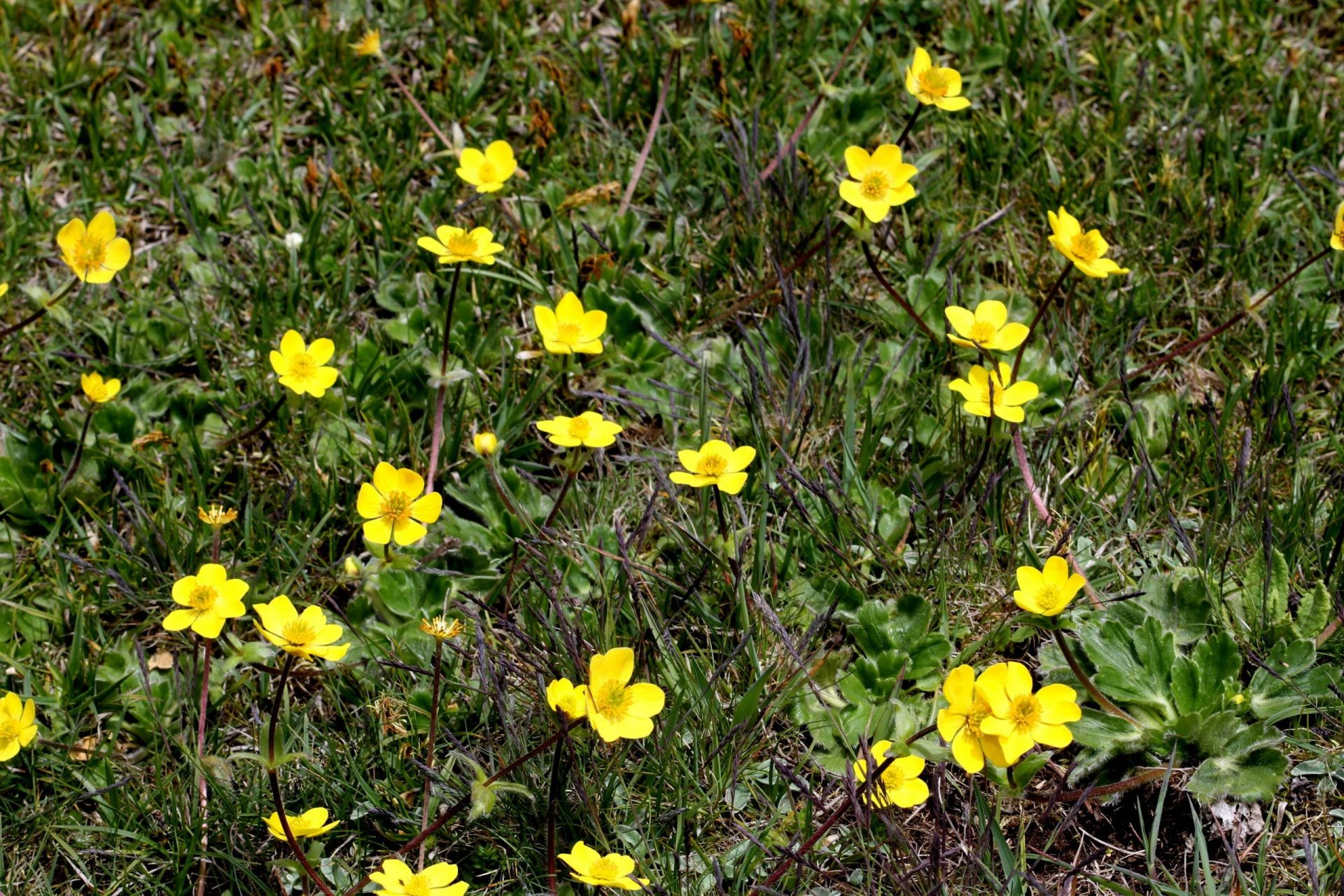
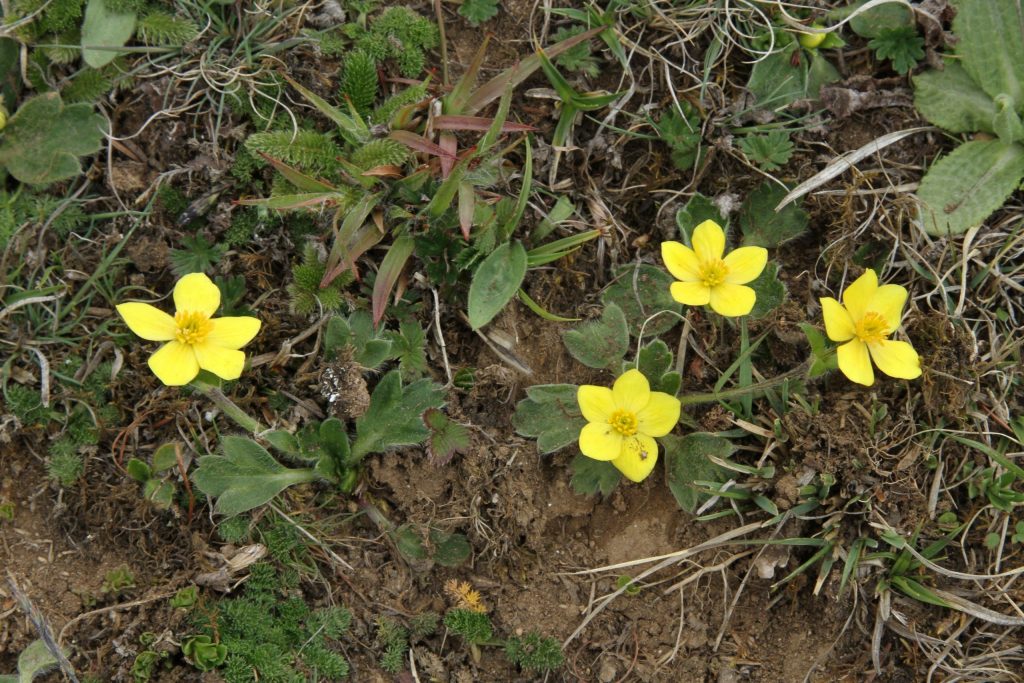
The plant is a rhizomatous perennial 10-30 cm tall, forming a tuft from a short, often hairy rootstock. The long-petiolate basal leaves have a trullate (trowel-shaped) to rhombic-ovate lamina, often three-lobed or coarsely toothed and silky-pilose beneath, the epithet trullifolium referring to this leaf outline. The scape bears an involucre of leaf-like bracts subtending a few-flowered umbel; the flowers lack true petals, the showy perianth comprising 5-6 white to bluish, sometimes externally tinged tepals, surrounding numerous stamens and a head of carpels. The fruiting head is a cluster of flattened, glabrous to pubescent achenes with a short hooked beak.
The species was transferred from Anemone to the segregate genus Anemonastrum following molecular phylogenetic studies that resolved the windflowers into several lineages; the basionym Anemone trullifolia (under which it is widely listed) reflects this history. Pollination is by generalist alpine insects, and the achenes are wind- and gravity-dispersed. Locally common across its range, it has no specific conservation concern.
Author: (Hook.f. & Thomson) Mosyakin · Sources: POWO (Kew), GBIF, Flora of China, Flora of Bhutan, Annotated Checklist of the Flowering Plants of Nepal, Mosyakin revision of Anemonastrum