
D.Don
Description
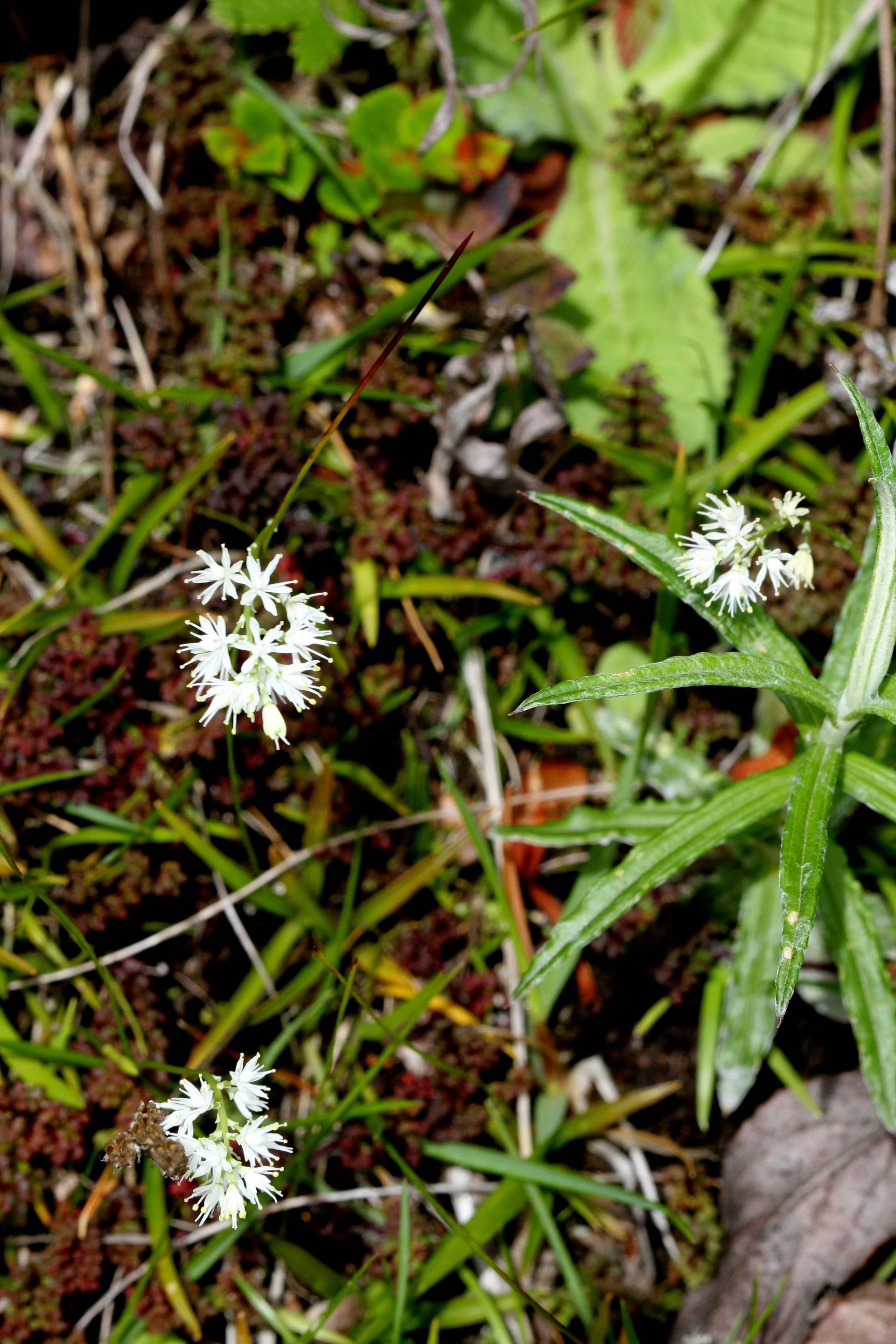
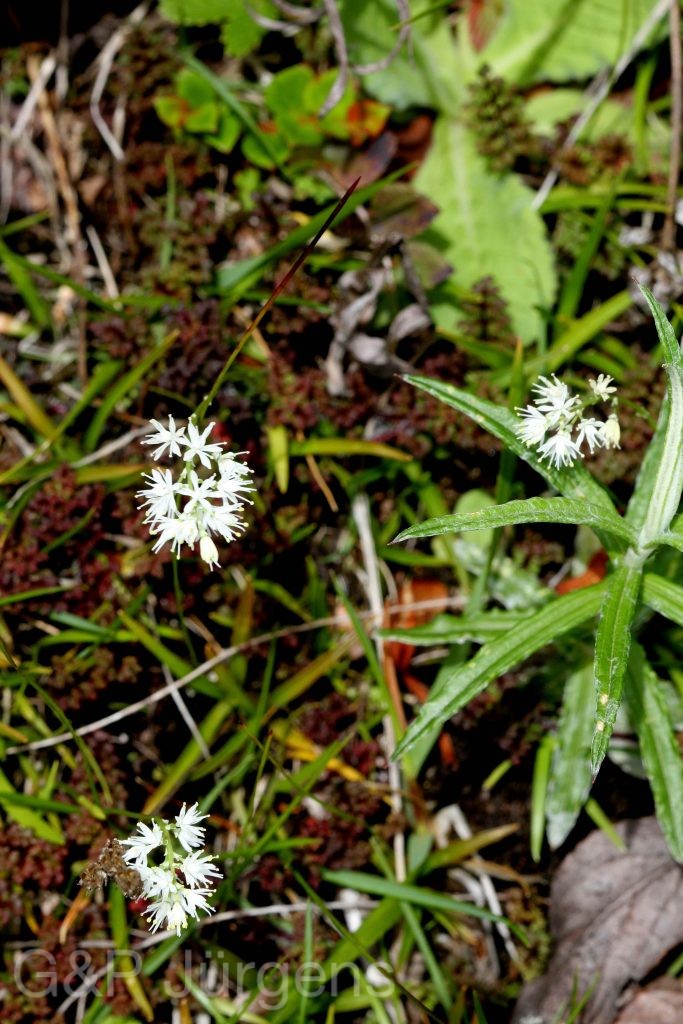
Juncus concinnus is a tufted, grass-like perennial rush of the Juncaceae, distributed through the Himalaya and the mountains of eastern Asia. GBIF data (nearly 1,000 occurrences) document a native range across China, Nepal, India, Bhutan, Pakistan, Japan, Myanmar and Thailand. The species is characteristic of moist alpine and subalpine habitats, including wet meadows, marshy ground, streamsides, seepage flushes and damp grassy slopes, generally between about 2,500 and 4,500 m. The collection from Yumthang in northern Sikkim at 3,300 m in June reflects its occurrence in the wet, snow-fed alpine meadows of the eastern Himalaya in early summer.
The plant forms dense tufts of slender, erect, terete to slightly compressed stems arising from a short rhizome, with narrow, channelled basal and cauline leaves. The inflorescence is a more or less compact, terminal cluster of several flower heads, each head comprising a few small, dark-coloured flowers. As in all Juncus, the perianth consists of six chaffy, lanceolate tepals (the inner and outer whorls similar), subtending three or six stamens and a superior ovary. The fruit is a small, three-valved loculicidal capsule containing numerous minute seeds, the chaffy perianth persisting around it.
Juncus is a large, cosmopolitan genus of the rush family, an assemblage of wind-pollinated, reduced-flowered monocots adapted predominantly to wet and seasonally inundated ground. As a component of alpine mire and wet-meadow vegetation, J. concinnus contributes to the structure of high-altitude wetland turf and stabilises moist soils. Widely distributed and secure across its range, it nonetheless depends on intact alpine hydrology, making it sensitive to wetland drainage and to changes in snowmelt regimes.
Author: D.Don · Sources: POWO (Kew), Flora of China Vol. 24, Flora of Bhutan Vol. 3, GBIF, Kirschner et al.: Juncaceae – Species Plantarum: Flora of the World