
(L.) Kuntze
Description
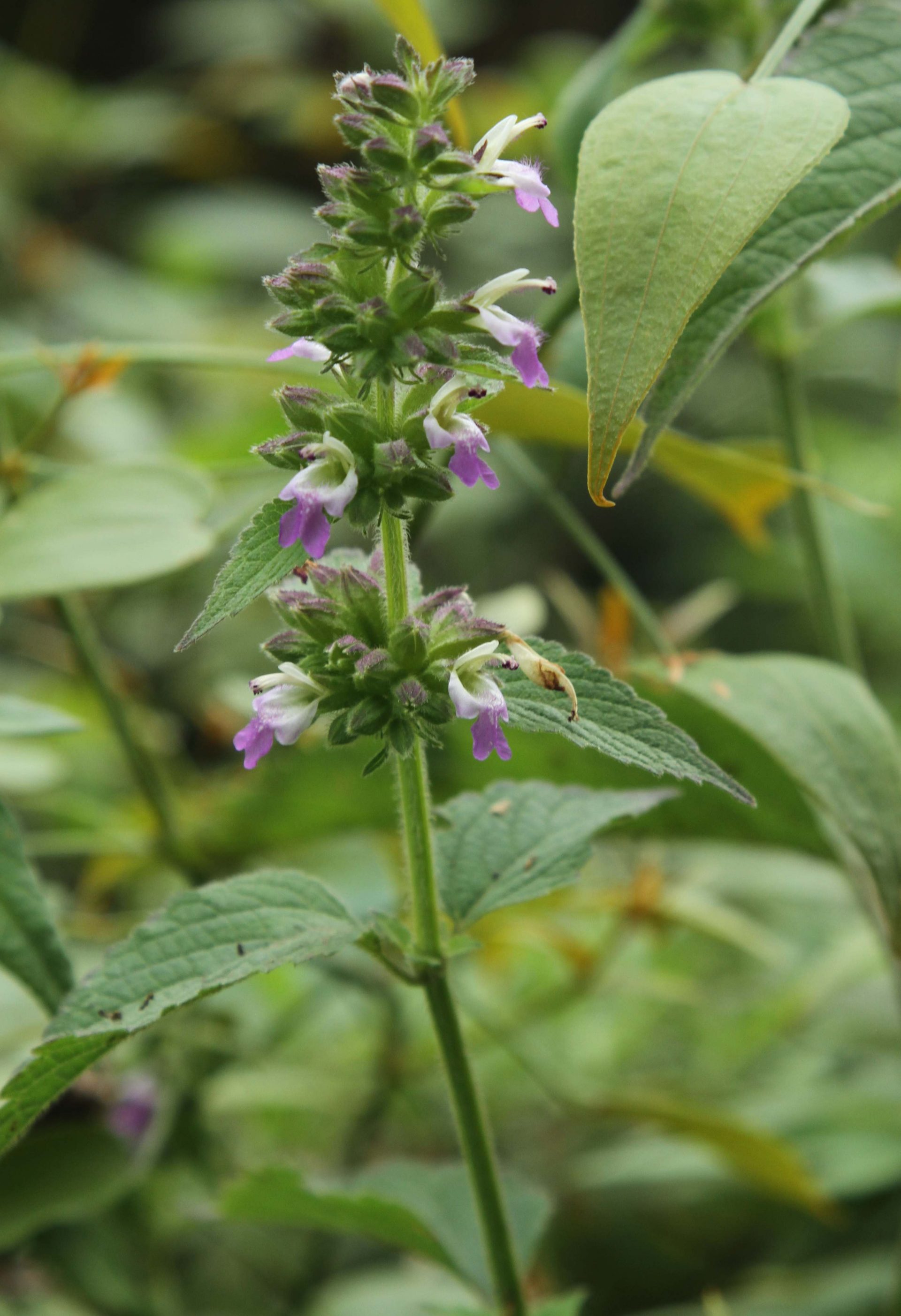
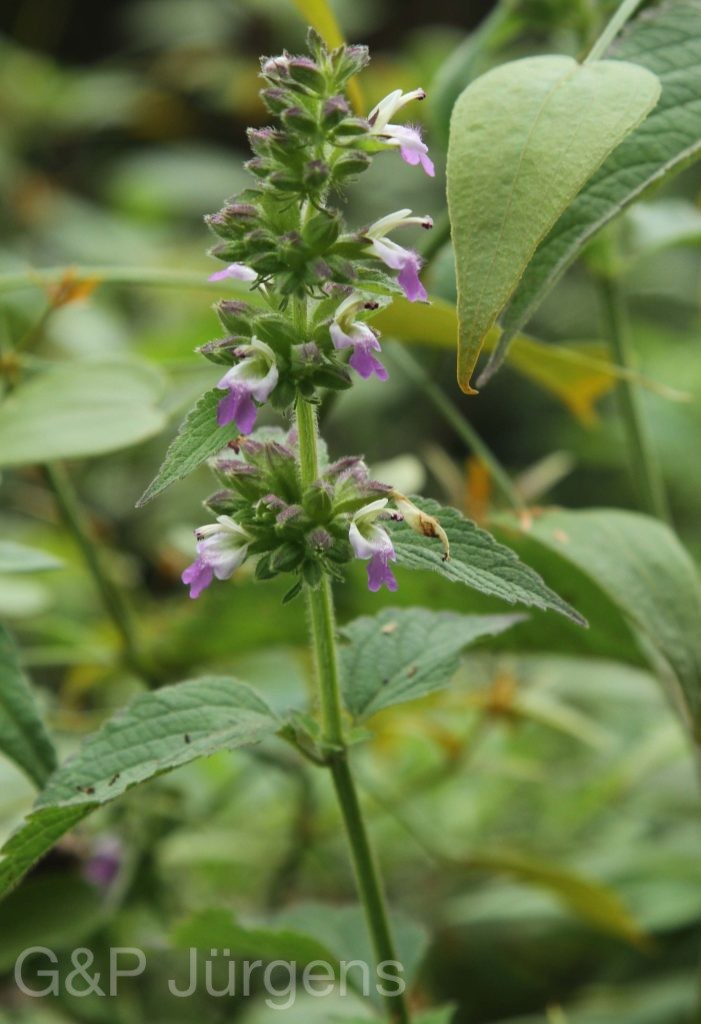
Anisomeles indica is a wide-ranging Asian mint extending from the Himalaya and the Indian subcontinent across China, Taiwan, Japan, mainland and insular Southeast Asia to the Pacific, with introduced or adventive records reaching the Caribbean; GBIF documents over 3000 occurrences across this large area. It is a plant of warm to subtropical lowlands and lower hills, characteristic of disturbed ground, roadsides, forest margins, fallow fields and waste places generally below about 1500 m. The photographed material from Trithangebe in southern Bhutan at 920 m, flowering in October, reflects its affinity for the lower, warmer reaches of the Himalayan foothills, where it behaves as a vigorous, sun-loving ruderal flowering into the autumn.
It is a coarse, aromatic annual or short-lived perennial herb, often a metre or more tall, with erect, quadrangular, densely pubescent stems. The leaves are opposite, ovate, crenate-serrate, acute, and softly hairy on both surfaces. The inflorescence consists of dense axillary cymes aggregated into elongate, leafy terminal panicles. Each flower has a tubular, ten-veined, five-toothed calyx and a two-lipped corolla coloured pale pinkish to pale purple, the short upper lip erect and the larger lower lip three-lobed; the four didynamous stamens are exserted and ascend beneath the upper lip. The fruit comprises four smooth, ovoid nutlets enclosed by the persistent calyx.
The species was described in Nepeta by Linnaeus and transferred to Anisomeles by Kuntze, the small Old World tropical genus being placed in subfamily Lamioideae. It is rich in essential oils and diterpenoids and is widely used in traditional medicine across its range for fevers, digestive and inflammatory complaints, which has prompted considerable phytochemical study. Far from threatened, its weedy, colonising habit and broad ecological tolerance make it a successful and locally abundant component of human-modified landscapes throughout tropical and subtropical Asia.
Author: (L.) Kuntze · Sources: POWO (Kew), GBIF, Flora of China, Flora of Bhutan, Flora of British India, Harley et al. Labiatae account in 'The Families and Genera of Vascular Plants'