
C.B.Clarke
Description
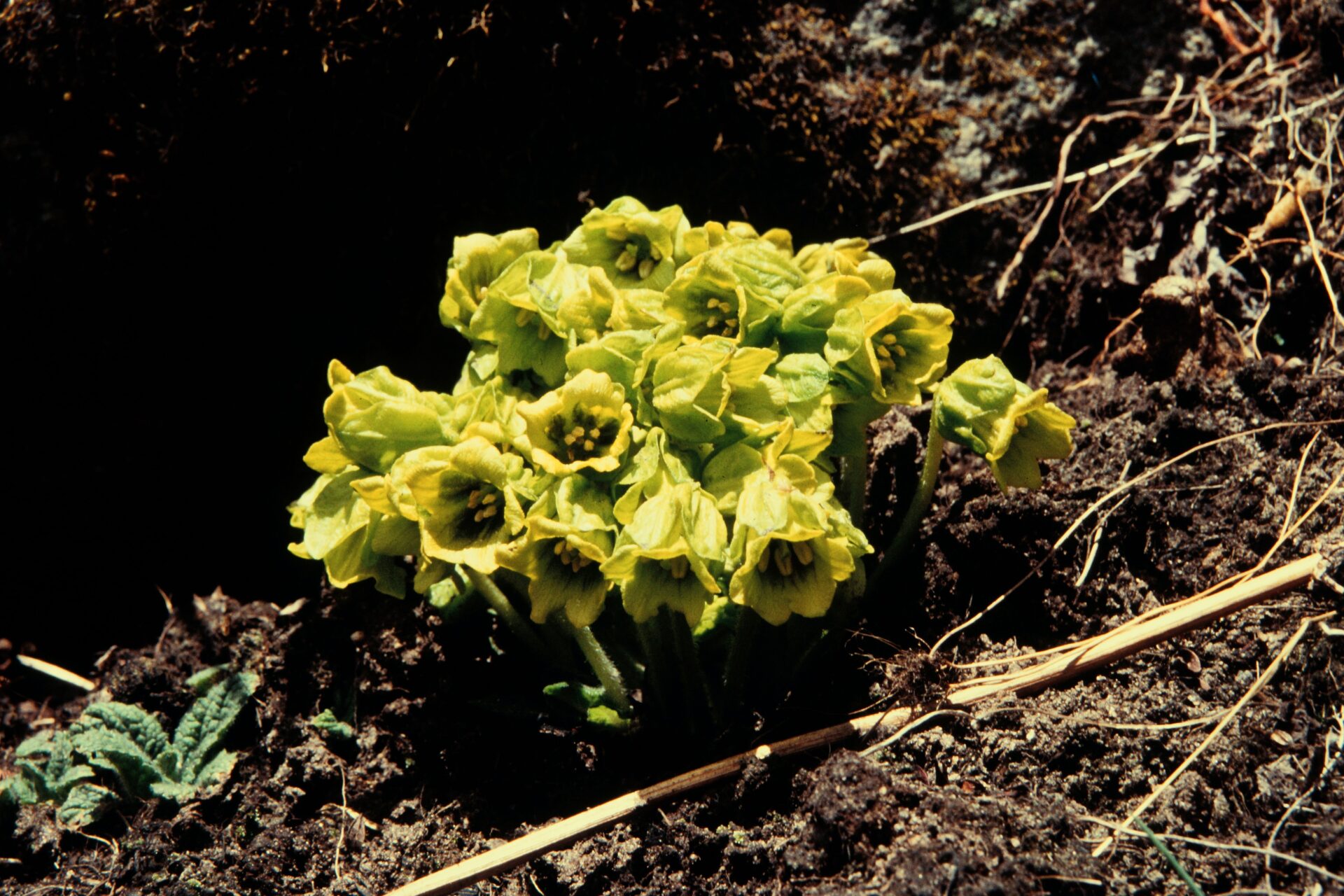
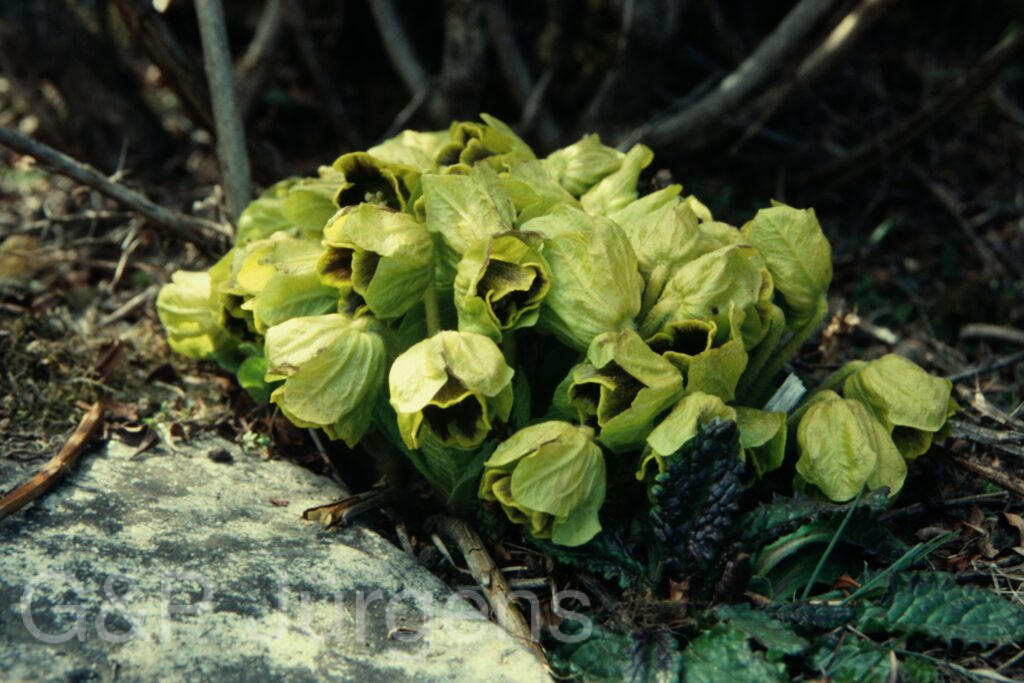
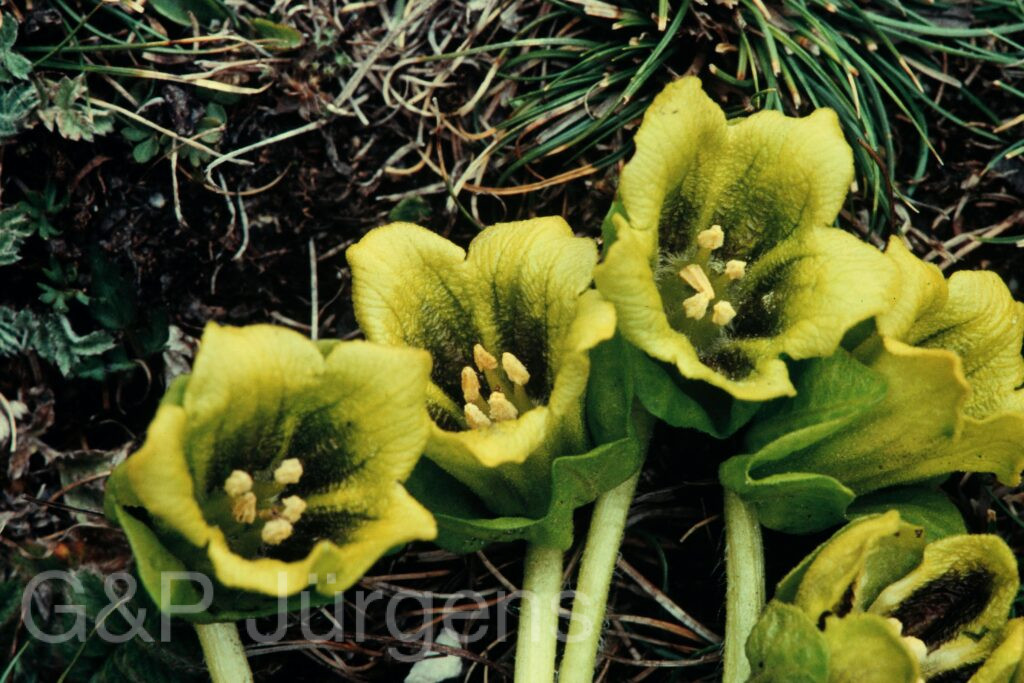
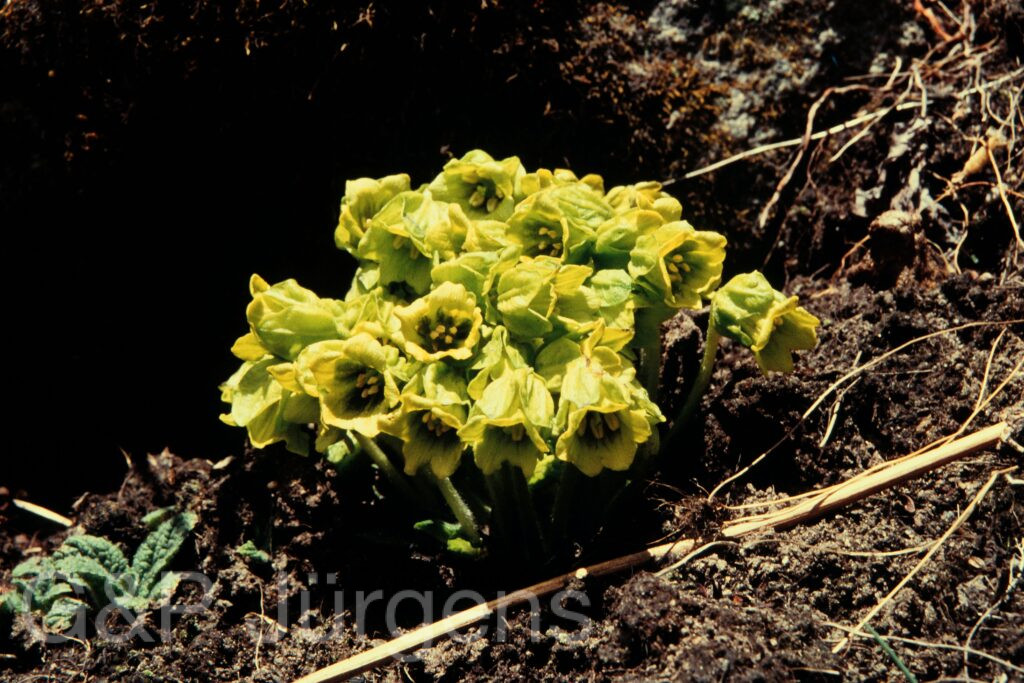
Mandragora caulescens is a stout alpine perennial of the high Himalaya and Tibetan borderlands, distributed across southwestern China (Xizang, Yunnan, Sichuan), northern India, Nepal, Bhutan and Myanmar; GBIF documents some 540 collections, indicating it is locally frequent within its high-elevation range. It occupies open alpine meadows, grassy slopes, scrub margins and stony pasture, generally between about 2500 and 4500 m, often in moist, well-drained turf. The photographed plants were recorded at Gometang on the Sikkim/India border at about 3900 m in May and at Thudam in eastern Nepal near 3850 m in April, typical of this snowmelt-associated meadow species.
Unlike the stemless Mediterranean mandrakes, this species is caulescent, developing a short, leafy aerial stem from a large, fleshy, often forked taproot. The leaves are clustered, oblong to oblanceolate, tapering to the base, entire or sinuate, and somewhat fleshy. The flowers are solitary on long, decurved or nodding peduncles among the leaves; the corolla is broadly campanulate, dull purple to brownish-violet or rarely greenish, five-lobed, subtended by a deeply lobed persistent calyx. The fruit is a globose, fleshy berry seated in the enlarged calyx.
The placement of Mandragora has long been debated; it is treated here in Solanaceae, in which it is conventionally classified, though some authors segregate it. M. caulescens is the principal Asian representative of the genus and, like its western relatives, contains tropane alkaloids and features in regional ethnomedicine. Widespread across the high Sino-Himalayan ranges, it is not regarded as globally threatened.
Author: C.B.Clarke · Sources: POWO (Kew), GBIF, Flora of China Vol. 17, Flora of Bhutan Vol. 2, Flora of Nepal, Flora of Pakistan, Ungricht et al. revision of the genus Mandragora