
(Meisn.) H.Hara
Description
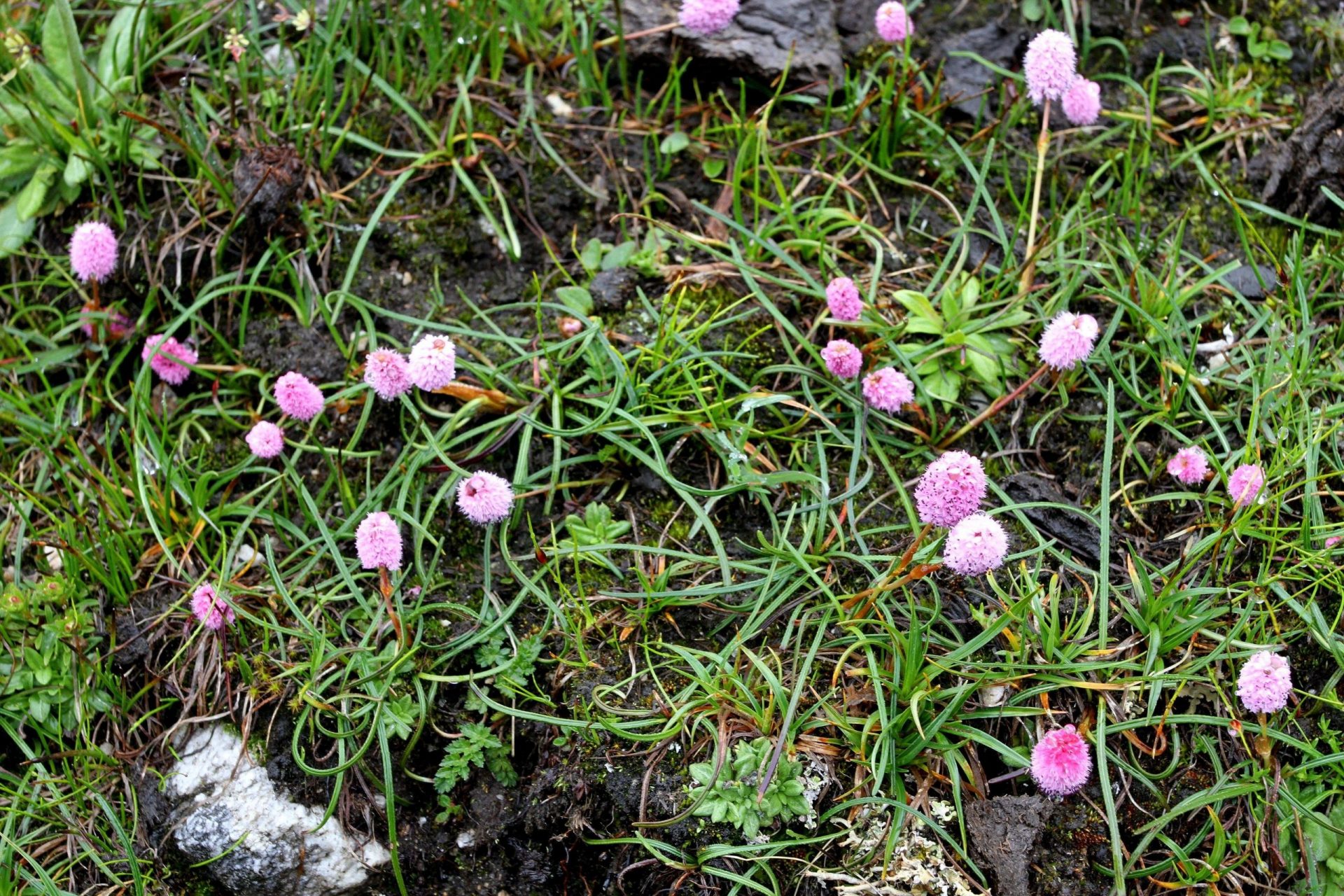
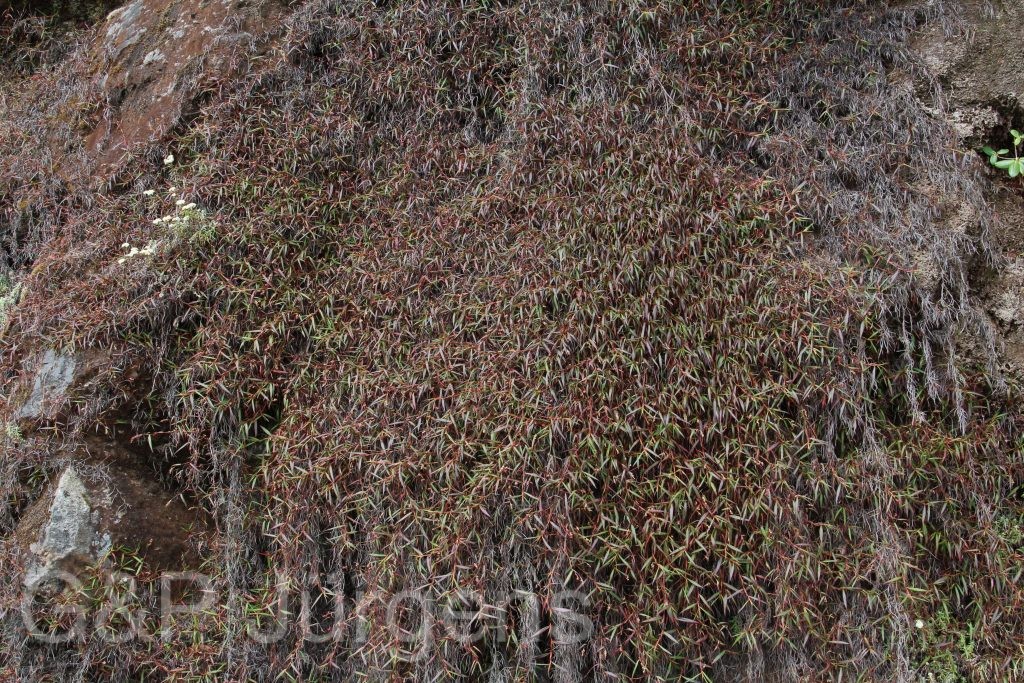
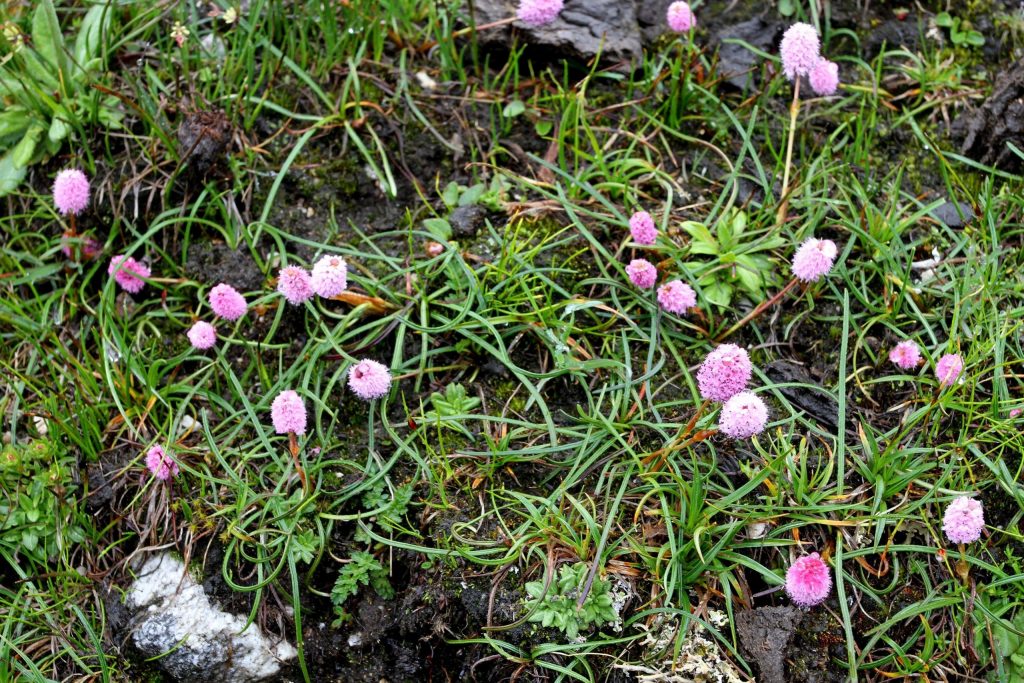
Bistorta emodi (Meisn.) H.Hara is an alpine knotweed of the Himalaya and adjacent China, recorded from about 363 collections in China, Nepal, India, Bhutan and Myanmar, with scattered extralimital reports. It grows in moist alpine meadows, dwarf-shrub heath, streamsides, seepages and damp rocky slopes in the alpine and upper subalpine zone, broadly between about 3500 and 4800 m. The plant photographed on the Ludlow-Sherriff trail at Miluthang in Bhutan at 4350 m in July occupies the cool, moisture-retentive high pastures that are characteristic of the species during the monsoon flowering period.
This is a perennial herb arising from a stout, often contorted, woody rhizome. The stems are erect and simple, sheathed at the nodes by tubular, membranous ochreae diagnostic of the family. Basal and lower leaves are long-petioled with ovate to lanceolate blades, often cordate or truncate at the base, the upper leaves smaller and sessile. The inflorescence is a dense, terminal, cylindrical to oblong spike of small flowers, the perianth pink to reddish or white, five-parted, with eight stamens; the lower part of the spike sometimes bears bulbils. The fruit is a small, trigonous, dark, shining achene enclosed in the persistent perianth.
The species belongs to Bistorta, segregated from Polygonum sensu lato (under which it appears as Polygonum emodi) and supported by molecular phylogenetics as a distinct lineage within Polygonaceae. Its rhizomes store carbohydrates that fuel rapid flowering in the short alpine summer, and the nectariferous spikes attract diverse insects. Widespread and often locally abundant in high Himalayan pasture, B. emodi is not of conservation concern, though it forms an important component of grazed alpine grassland.
Author: (Meisn.) H.Hara · Sources: POWO (Kew), GBIF, Flora of China, Flora of Bhutan, Flora of Nepal, revision of Bistorta / Polygonaceae