
Thoth.
Description
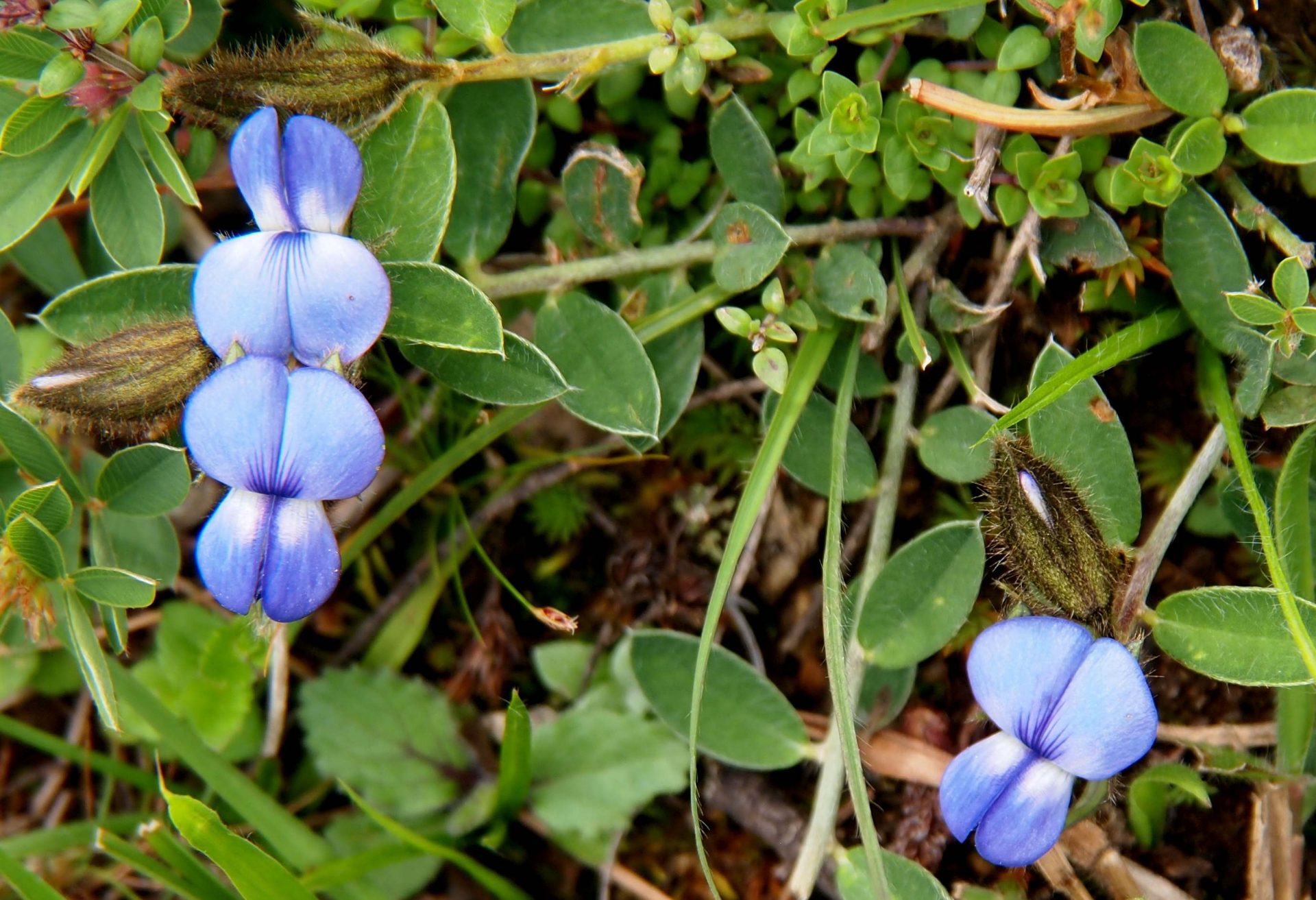
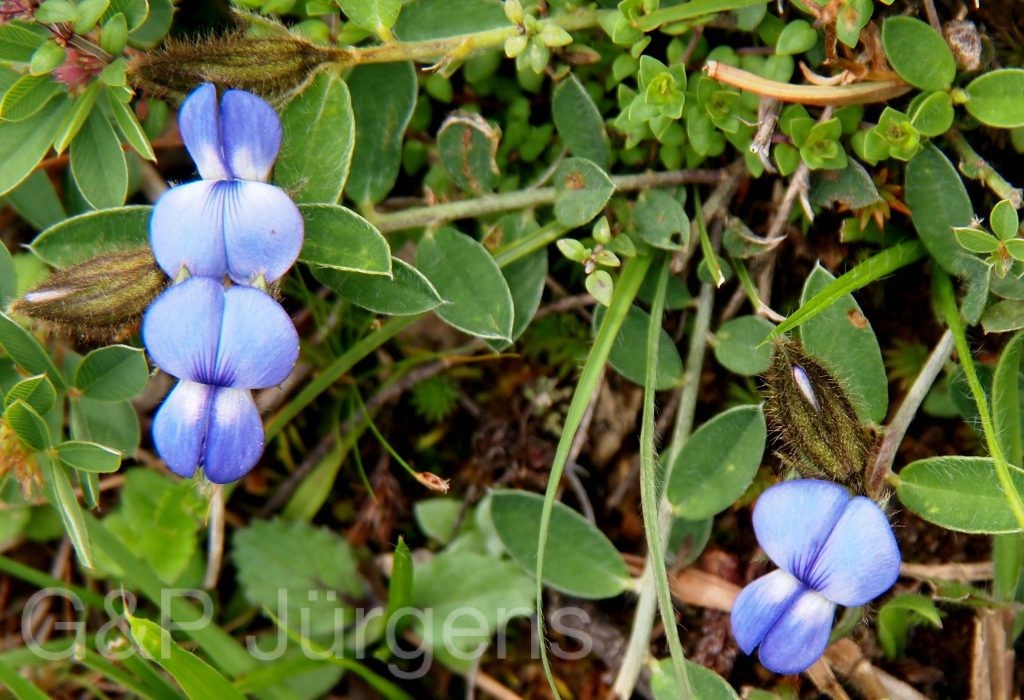
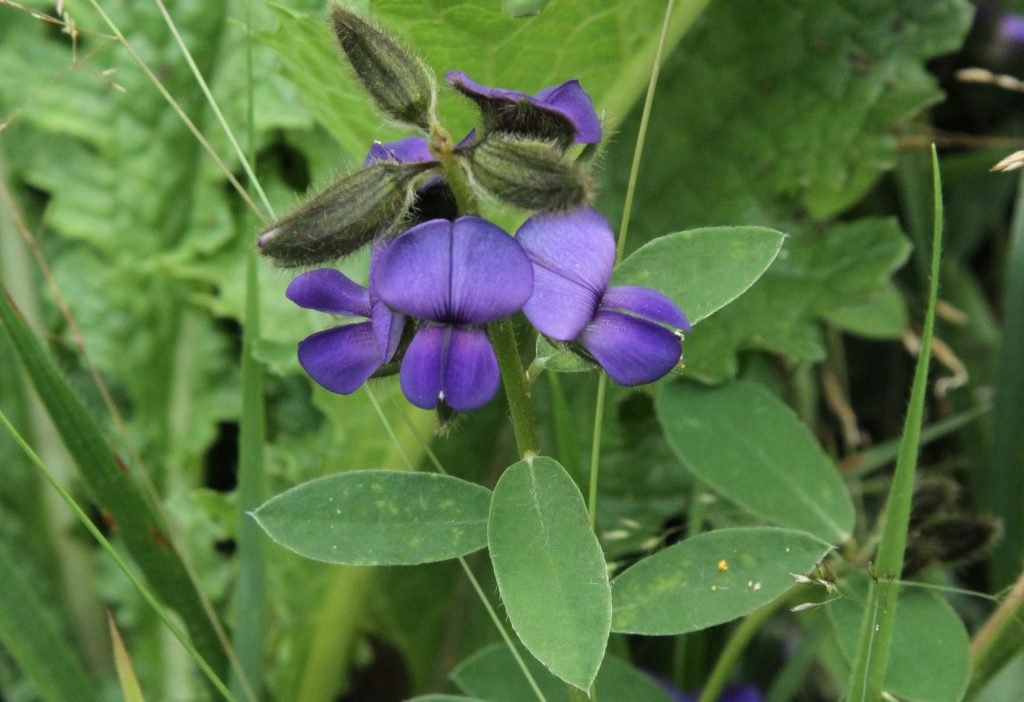
Crotalaria bhutanica is a narrowly distributed legume of the eastern Himalaya, described from and centred on Bhutan; it has no georeferenced records in GBIF, underscoring how poorly documented and locally restricted this taxon remains. It is a plant of open grassy slopes, scrub and disturbed montane ground, and the two collection sites given, the Haar valley at about 3300 m and Dochu-La at 2700 m, both in September, place it in the cool temperate to subalpine zone of western and central Bhutan, where it flowers and fruits in the late monsoon and early autumn.
Like others of its genus, the species is a herb or small subshrub with simple or trifoliolate leaves and stems bearing the appressed hairs characteristic of Crotalaria. The flowers are arranged in terminal or leaf-opposed racemes and have the typical papilionaceous structure of the genus, with a large rounded standard, two lateral wings and a beaked keel enclosing the stamens and style; the corolla is yellow, sometimes veined or flushed with brown or purple. The fruit, as in all Crotalaria, is an inflated, bladder-like pod in which the loosened seeds rattle when ripe, the feature that gives the genus its name (from the Greek krotalon, a rattle).
Crotalaria (tribe Crotalarieae, subfamily Faboideae) is a large pantropical genus, and C. bhutanica is one of its restricted Himalayan endemics, distinguished within the regional flora by its combination of habit, indumentum and floral detail. Like most papilionoid legumes it forms nitrogen-fixing root nodules with rhizobia and is pollinated by bees adapted to tripping the keel mechanism. Given its apparently very limited range, the absence of occurrence data, and ongoing pressures on Himalayan grassland habitats, the species warrants targeted survey and a formal conservation assessment.
Author: Thoth. · Sources: POWO (Kew), GBIF, Flora of Bhutan, Polhill Crotalaria in Africa and Madagascar, Legumes of the World (Lewis et al.)