
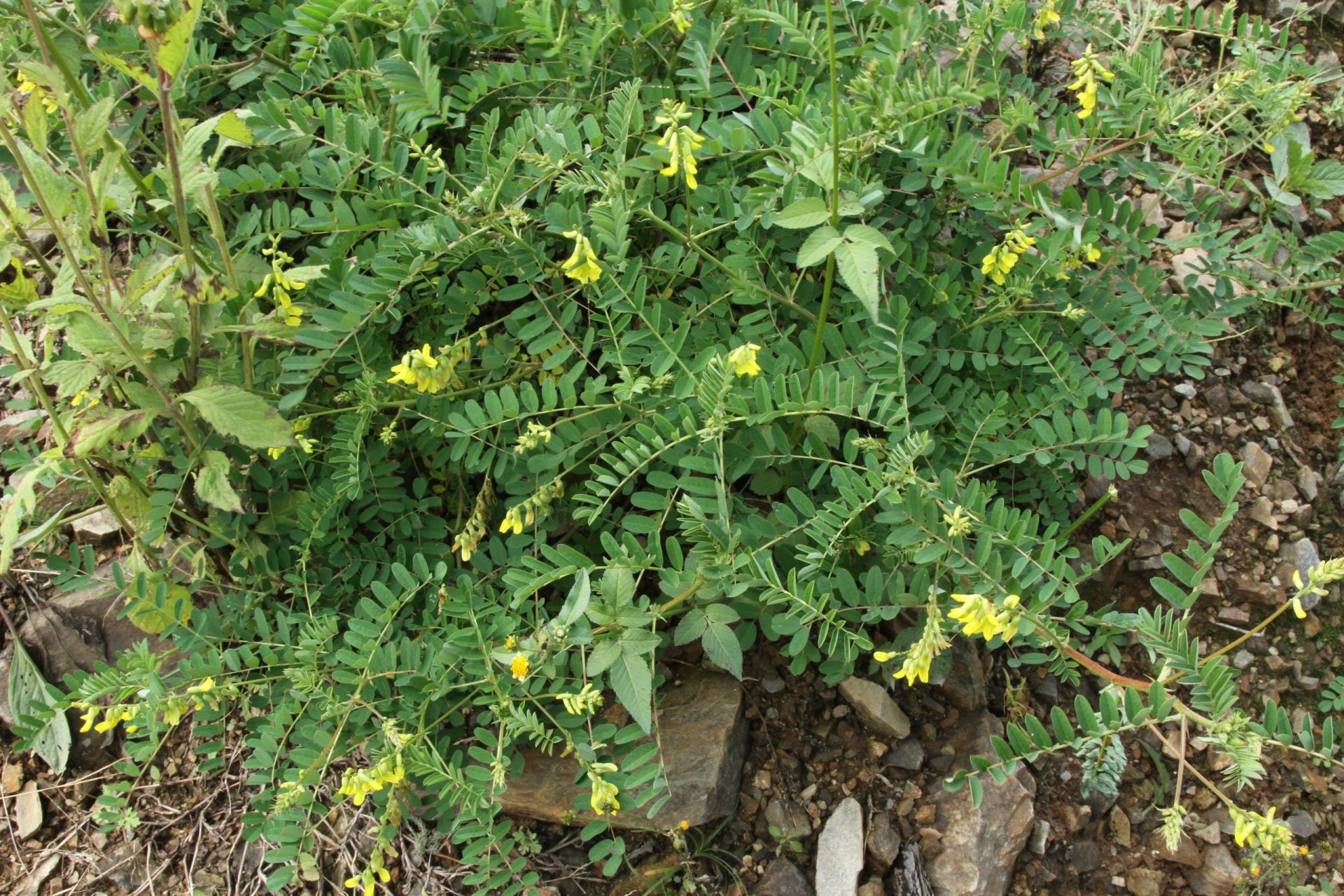
Benth.
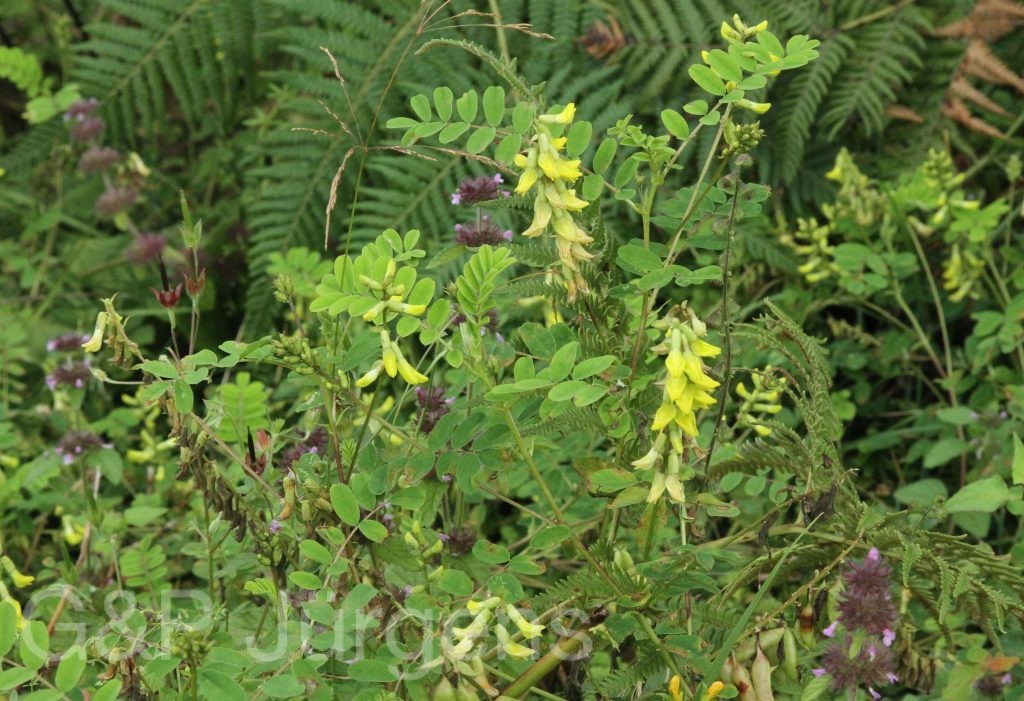
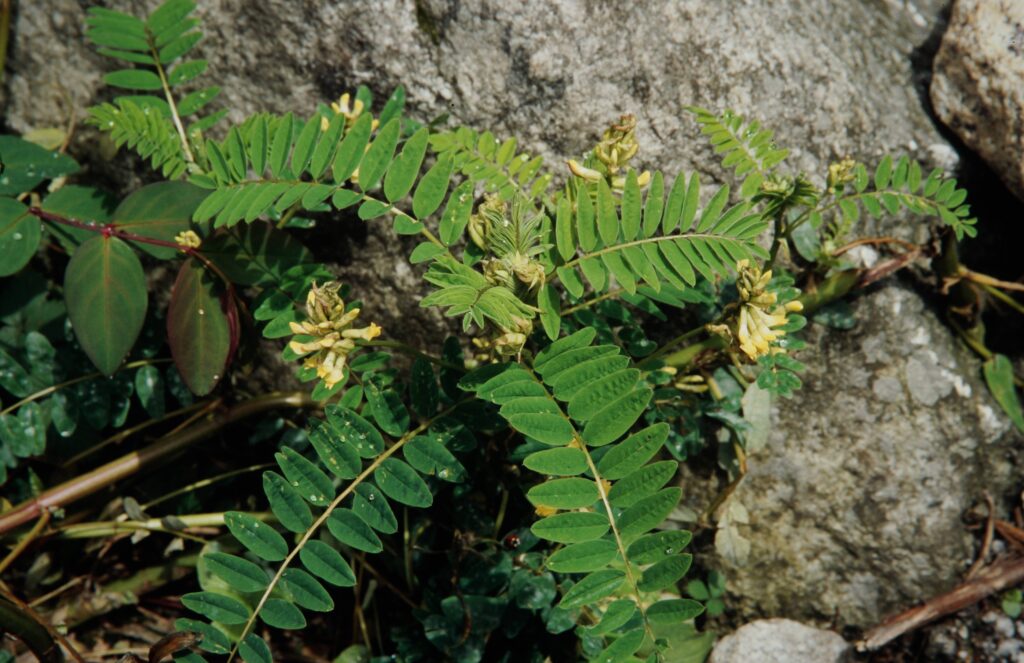
Description
Astragalus concretus is a Himalayan milkvetch recorded from Nepal, India, China, Pakistan and Bhutan, with about 147 georeferenced occurrences concentrated along the central and eastern ranges; scattered records from the United States, Russia and Belgium derive from herbarium and database holdings rather than wild populations. It favours open, sunny banks, dry slopes, scrub margins and disturbed ground in the subtropical to lower temperate zone, broadly between 1500 and 2500 m. The cited gatherings from Wangdue in Bhutan at 2000 m in September and from the Rishi Chu valley in West Bengal at 2100 m in May indicate a tolerance of warm mid-elevation habitats.
It is a perennial or robust herb with ascending to spreading stems. The leaves are imparipinnate with several pairs of oblong to elliptic leaflets, the foliage typically appressed-pubescent. The flowers are borne in axillary racemes; the papilionaceous corolla, of purplish to pale colouring, shows the standard, wing and keel petals characteristic of the genus, subtended by a campanulate, toothed calyx. The fruit is a legume pod, in this species somewhat inflated and incompletely two-celled by intrusion of the ventral suture, the feature reflected in the epithet.
Astragalus is among the largest of all plant genera, and its Himalayan members are taxonomically intricate, separated largely on pod and indumentum characters. As a nitrogen-fixing legume, A. concretus contributes to soil enrichment on poor, eroding slopes. It is not regarded as threatened, occurring widely across disturbed and natural openings throughout its range.
Author: Benth. · Sources: POWO (Kew), GBIF, Flora of China, Flora of Bhutan, Astragalus and Oxytropis monographs of Podlech and Maassoumi