
Benth.
Description
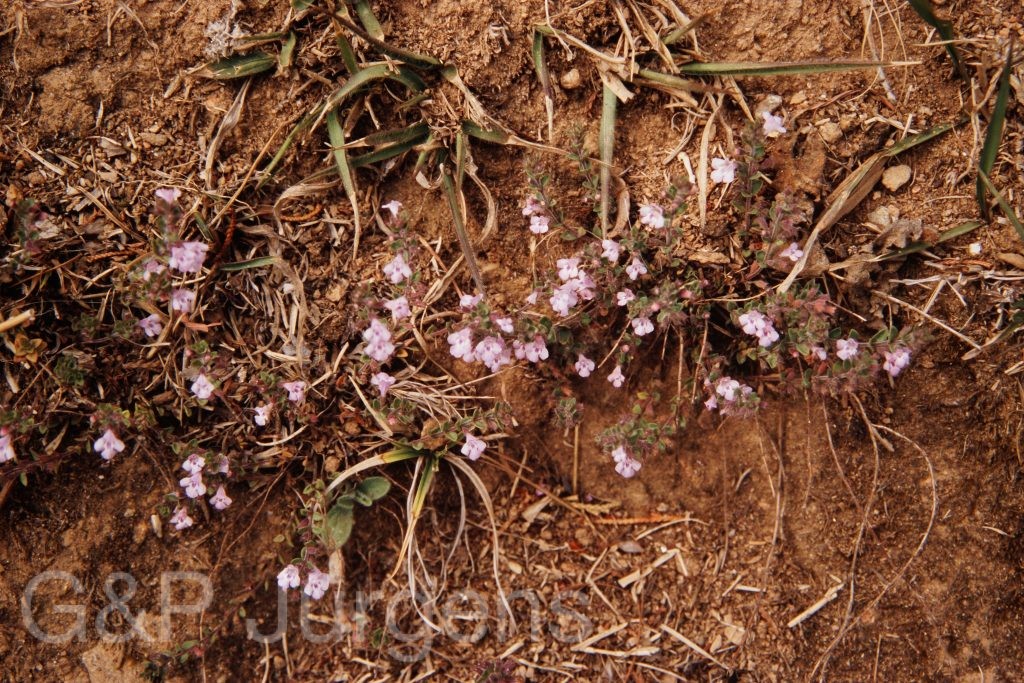
Micromeria biflora is an aromatic herb of remarkably wide Palaeotropical-to-Himalayan distribution, ranging from tropical and southern Africa (Ethiopia, Kenya, Tanzania, South Africa, Zimbabwe, Cameroon, Congo and others) through the Arabian Peninsula (Saudi Arabia, Yemen) and across to Afghanistan, Pakistan, India, Nepal, Bhutan, Myanmar and China; its nearly 1700 georeferenced occurrences underline this broad Old World range. It grows on dry, open, rocky and grassy slopes, banks and disturbed ground in the warm-temperate and montane belts, commonly between about 1500 and 2800 m. The plants documented around Paro in Bhutan at 1900-2320 m in April and May occupy exactly such sunny, well-drained hillsides.
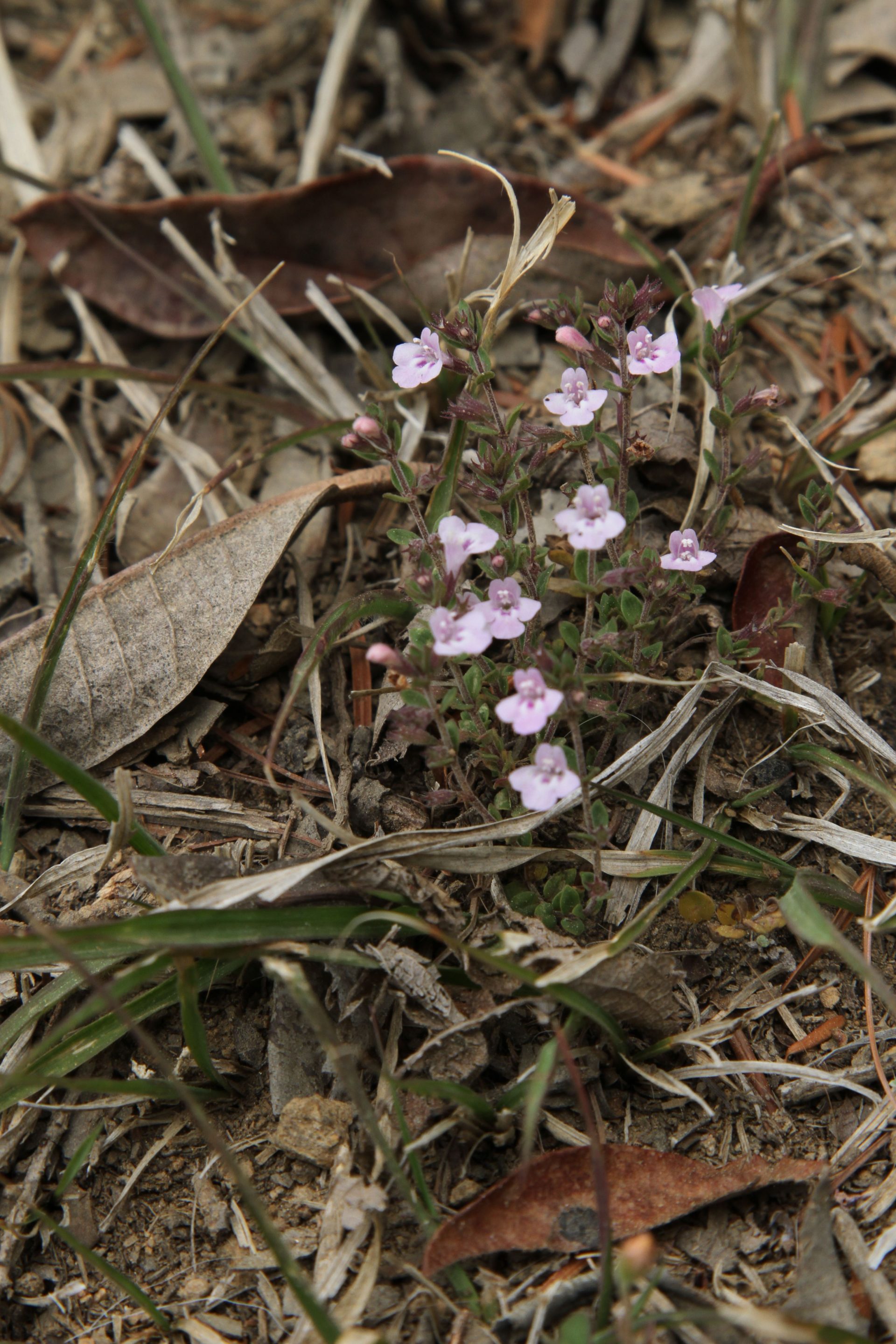
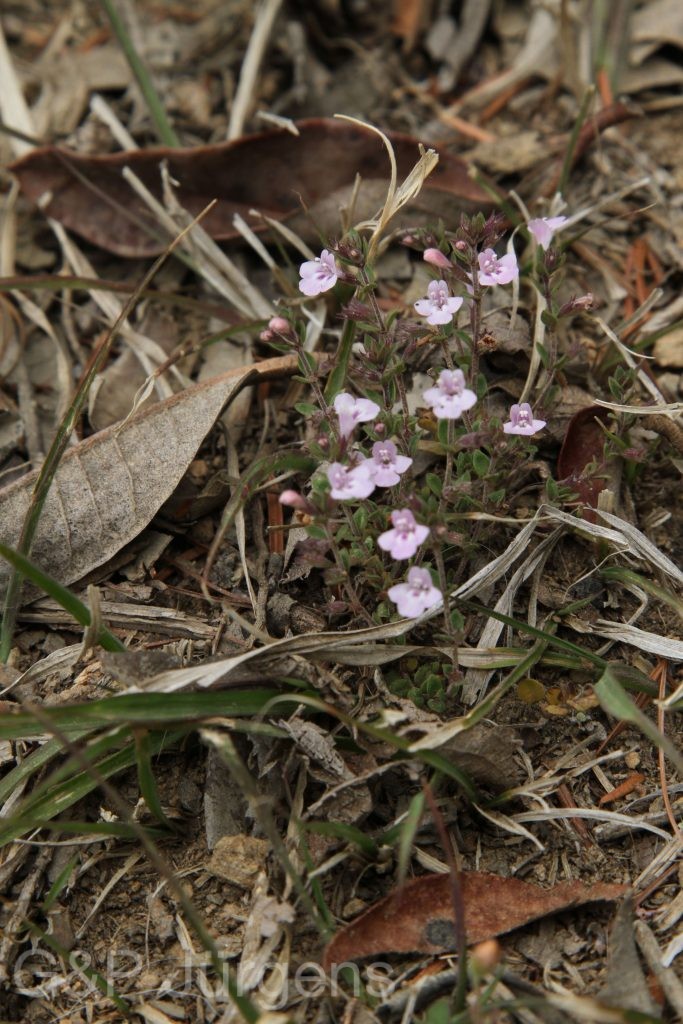
It is a slender, much-branched perennial subshrub forming low, wiry tufts from a woody base, the quadrangular stems finely pubescent and clothed with a strong thyme-like aroma. The leaves are small, opposite, ovate to elliptic, entire and often revolute-margined, gland-dotted and short-petiolate. The pink to pale purple flowers are borne in axillary pairs or small few-flowered whorls, hence the epithet biflora; each has a tubular, ribbed, two-lipped calyx and a bilabiate corolla with the lower lip three-lobed, with four didynamous stamens. The fruit comprises four smooth, ovoid nutlets enclosed in the persistent calyx.
Micromeria belongs to tribe Mentheae of the Lamiaceae, allied to Clinopodium and Satureja, and the generic limits of this group have been much revised on molecular grounds. Rich in volatile monoterpene oils, M. biflora is widely used in folk medicine and as an aromatic herb. Its extensive range and tolerance of disturbed, arid habitats make it a successful and unthreatened species.
Author: Benth. · Sources: POWO (Kew), GBIF, Flora of China, Flora of Bhutan, Flora of Pakistan, Flora of Tropical East Africa, Harley's treatment of Labiatae