
DC.
Description
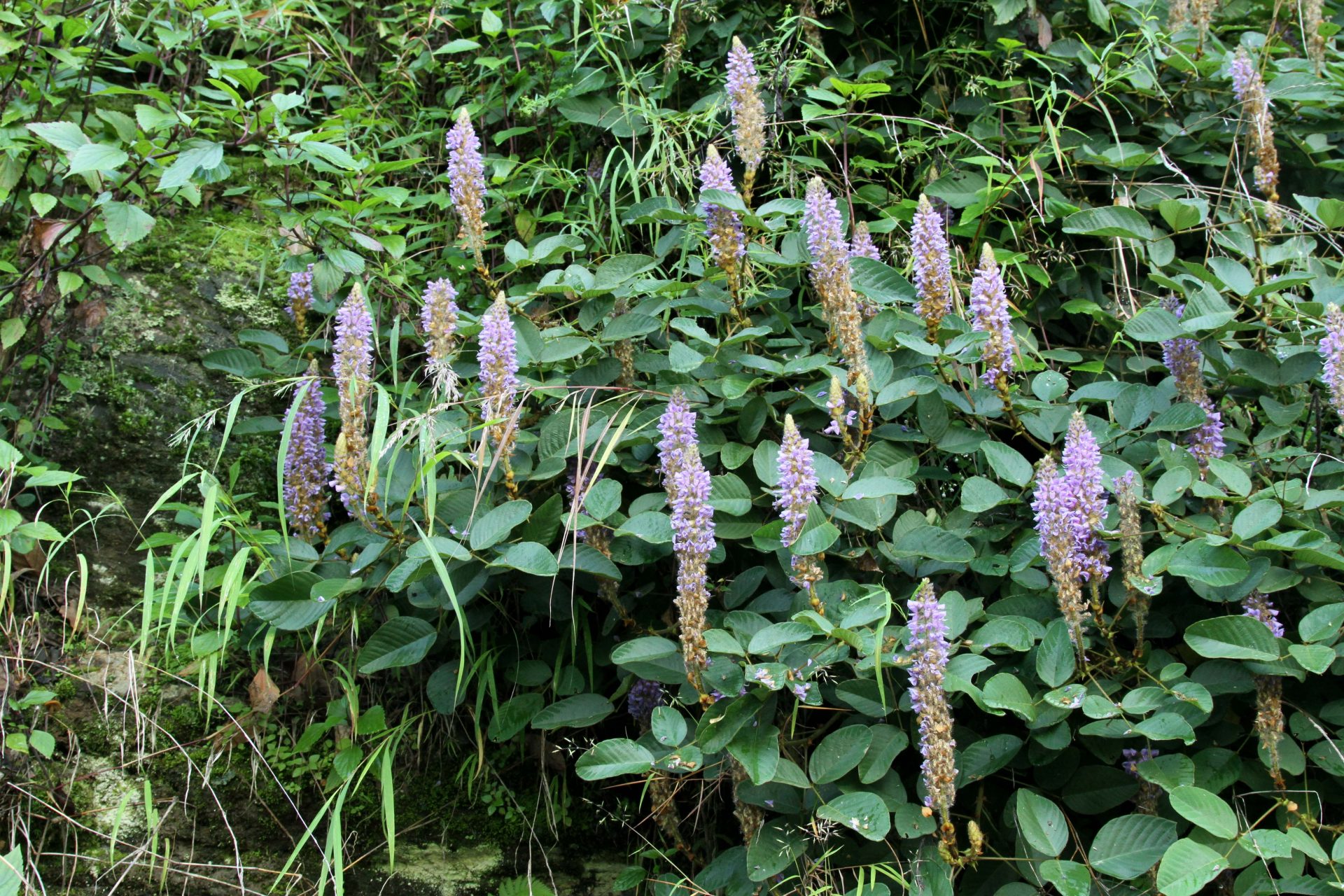
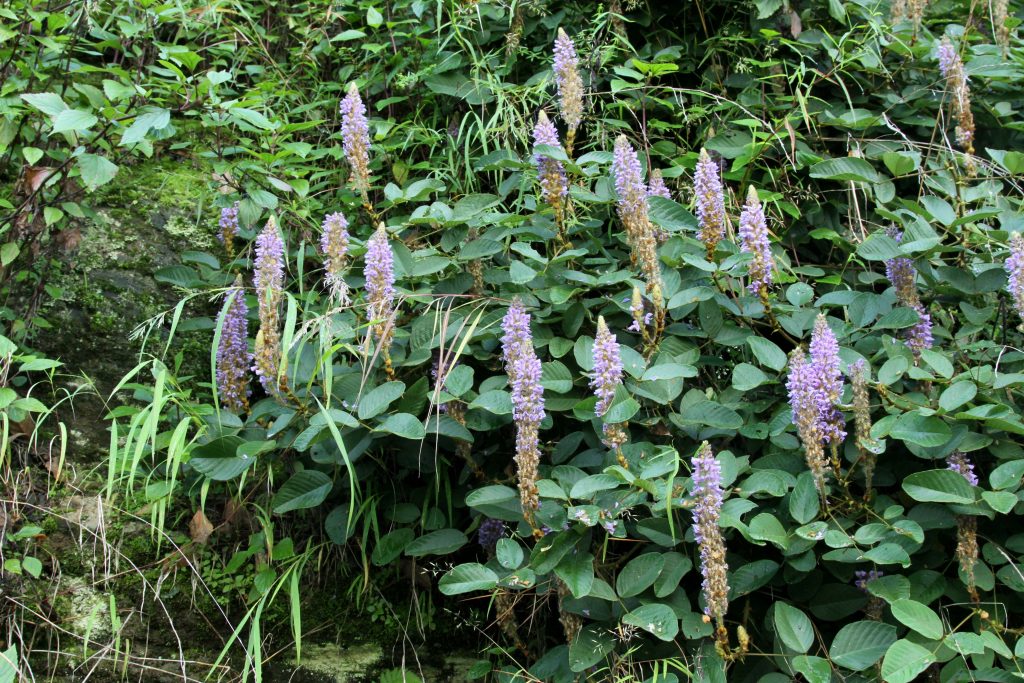
Uraria lagopus is a perennial herb or subshrub widely distributed through the Himalaya, southern China and South and Southeast Asia, recorded from India, China, Nepal, Myanmar, Taiwan, Bhutan, Sri Lanka, Bangladesh and Indonesia, with about 222 occurrences in GBIF. It is a plant of open grassy slopes, scrub, forest margins, roadsides and disturbed sunny ground, ranging from the lowlands into the lower montane zone. The photographed plant was collected in Bhutan near Wangdi (Wangdue) at about 2800 m in September, towards the upper end of its altitudinal range and during the post-monsoon flowering and fruiting season.
The plant produces erect to ascending stems from a woody base, clothed in spreading hairs. The leaves are pinnately compound, usually with three to several leaflets, the leaflets oblong to elliptic, entire, with prominent venation and a hairy underside; stipules are present at the nodes. The flowers are borne in dense, elongate, terminal racemes that are conspicuously shaggy with long hairs, giving the inflorescence the hare's-foot appearance recorded in the epithet lagopus. Each papilionaceous flower is small, pinkish to purplish. The fruit is a small jointed legume (loment) breaking into one-seeded segments at maturity.
Uraria belongs to the tribe Desmodieae of the Fabaceae, a group characterised by loment fruits dispersed as individual articles. Several species, including U. lagopus, are valued in traditional medicine and as fodder, and as legumes they fix atmospheric nitrogen through root-nodule symbiosis with rhizobia, contributing to soil fertility. The species is a tolerant colonist of open and disturbed habitats and is not regarded as threatened across its broad range.
Author: DC. · Sources: POWO (Kew), GBIF, Flora of China, Flora of Bhutan, Legumes of South Asia (Kew)