
Hook.f. & Thomson
Description
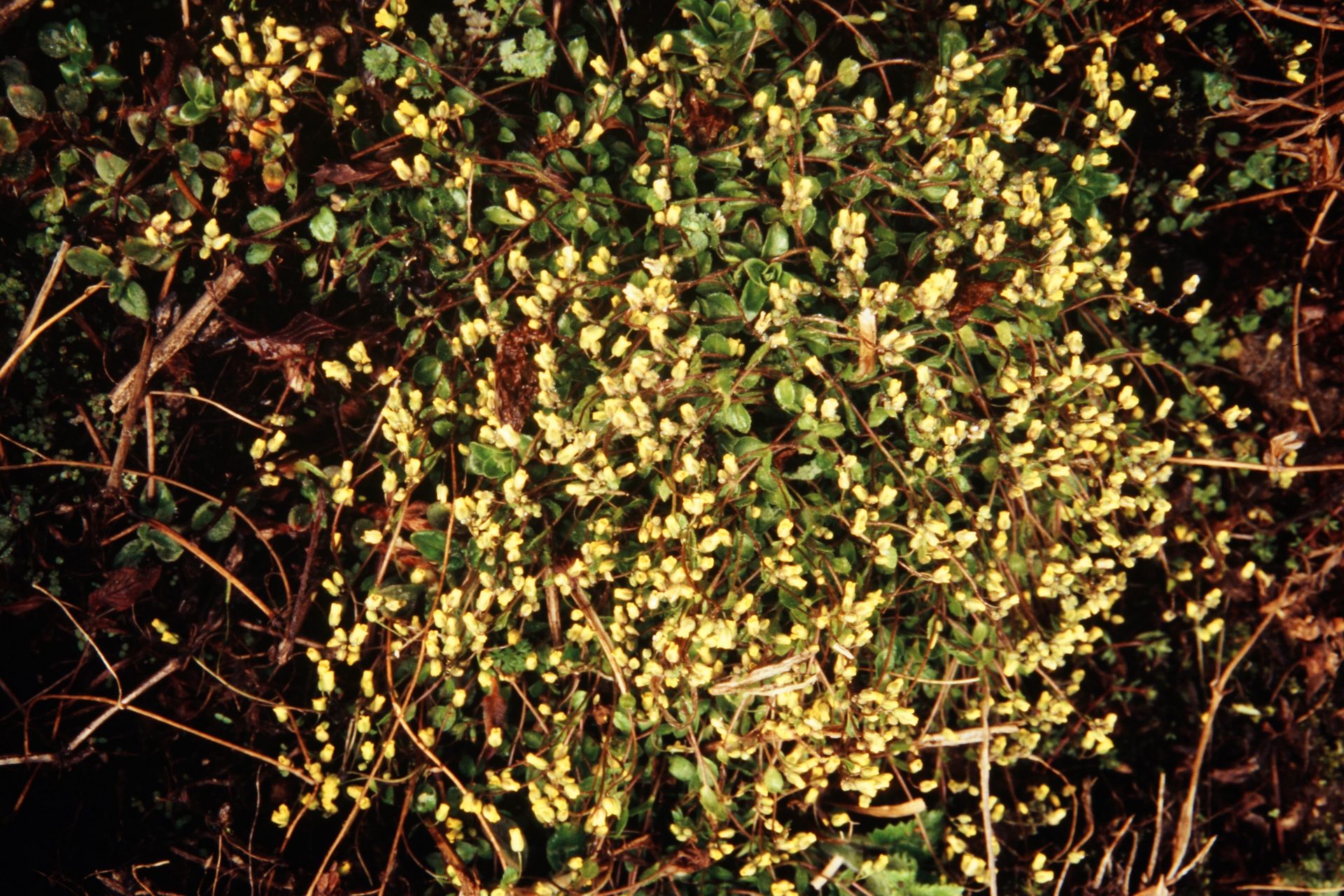
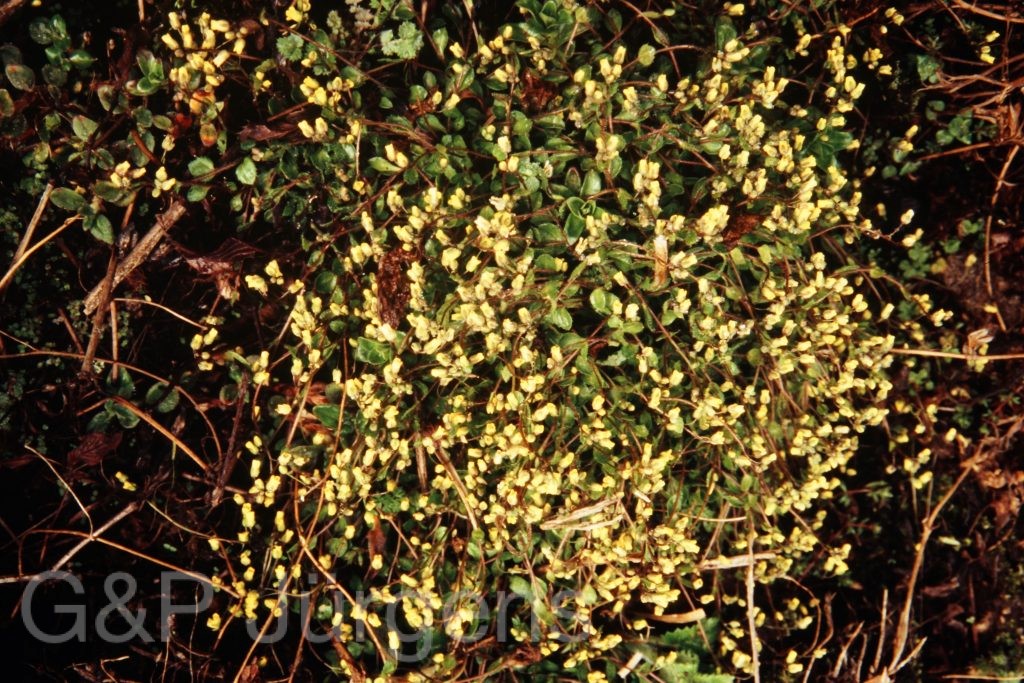
Draba gracillima is a slender alpine whitlow-grass of the Himalaya, distributed across the Indian Himalaya, Nepal, south-central China (Xizang) and Bhutan, with around one hundred and twenty-six GBIF records reflecting a continuous high-mountain range. It occupies alpine meadows, stony slopes, rock ledges, screes and crevices above the treeline, generally between about 3500 and 4500 m. The photographed plant from Labana in Bhutan at 4130 m, flowering in June, typifies its early-summer flowering and its preference for the open, well-drained mineral soils of the upper alpine zone.
The species is a slender, tufted perennial arising from a branched caudex and forming small basal rosettes of leaves, the lamina narrowly oblanceolate to spathulate and clothed, as is typical of Draba, in simple, forked and stellate hairs. The flowering stems are filiform and few-leaved, giving the plant its delicate, gracile appearance. The inflorescence is a lax raceme of small flowers with four free yellow (fading whitish) petals in the cruciferous arrangement and six tetradynamous stamens. The fruit is a small, flattened, lanceolate to elliptic silicula on a slender pedicel, dehiscing to release several seeds per locule.
Draba gracillima is an accepted species of the large genus Draba (Brassicaceae, tribe Arabideae), one of the most species-rich and taxonomically intricate genera of arctic and alpine regions, characterised by variable trichome morphology of diagnostic value. Its cushion-forming caudex, dense indumentum and short silicula are adaptations to cold, wind-exposed, high-radiation alpine habitats. The species is widespread and not regarded as threatened, although its specialised high-altitude niche is sensitive to climate-driven range shifts.
Author: Hook.f. & Thomson · Sources: POWO (Kew), GBIF, Flora of China, Flora of Bhutan, Jordal & Al-Shehbaz revision of Draba (Brassicaceae monograph)