
(H.Hara) Al-Shehbaz
Description
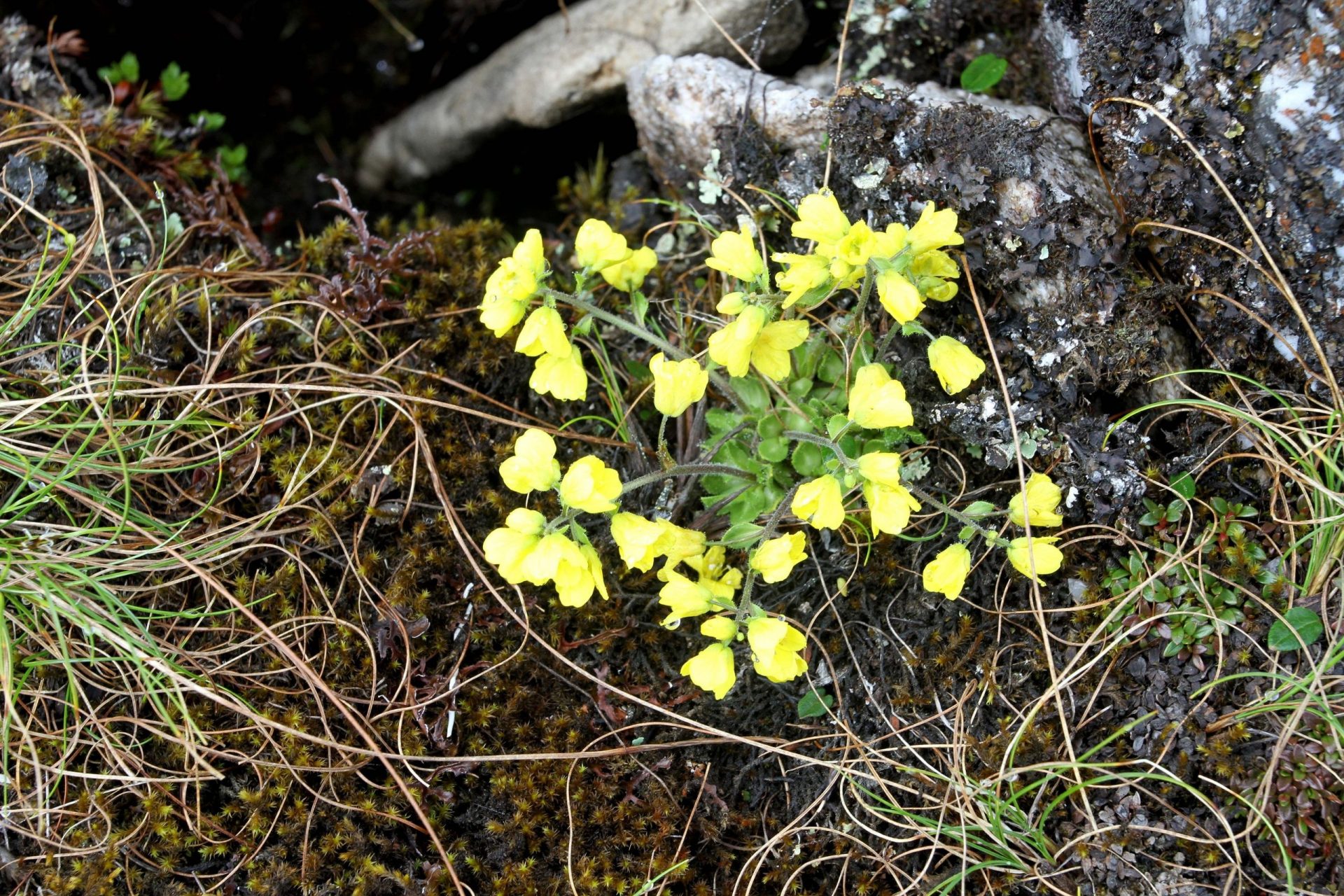
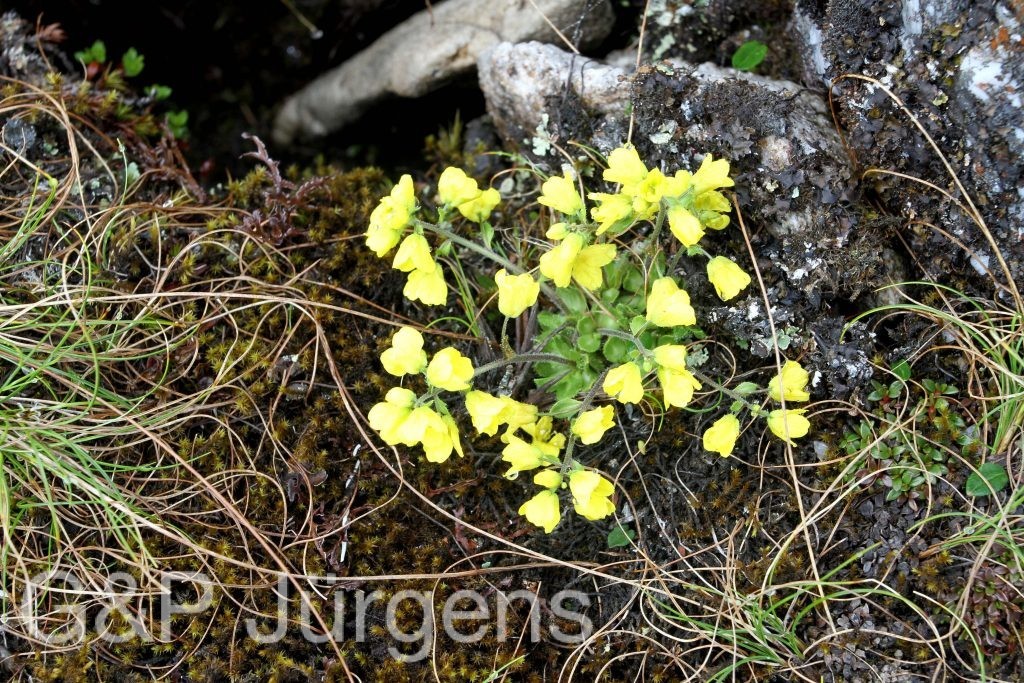
Lepidostemon williamsii is a rare high-alpine crucifer known only from Nepal and Bhutan, and is among the most sparsely documented species in this account, with merely about 12 GBIF records. It is confined to the upper alpine zone, growing on open screes, moraines, gravelly slopes and rock crevices near the limit of vascular plant life. The single cited collection, from the Ludlow-Sherriff-Trail at Warrtlang-La in Bhutan at about 4400 m in June, exemplifies its restriction to cold, exposed, well-drained mineral substrates where snow lies late and the growing season is extremely short.
The plant is a small, often cushion-forming or low tufted perennial herb adapted to severe alpine conditions, with a basal cluster of leaves that are entire to shallowly toothed or lobed. The flowers are typical of the family, with four sepals and four clawed petals arranged in a cross and arrayed in a short, congested raceme. The genus Lepidostemon is diagnosed by its distinctive stamens, whose filaments bear conspicuous scale-like or winged appendages, a feature reflected in the generic name. The fruit is a short silicula or silique characteristic of high-alpine Brassicaceae, splitting to release the seeds.
The species was originally described by H. Hara and transferred to Lepidostemon by Al-Shehbaz, whose revisions have clarified the circumscription of the small Sino-Himalayan genera of Brassicaceae. As a narrow-range endemic occupying a very specialised and harsh high-alpine niche with very few known populations, L. williamsii is inherently vulnerable, and its restricted distribution makes it a priority for monitoring against habitat disturbance and climatic change.
Author: (H.Hara) Al-Shehbaz · Sources: POWO (Kew), GBIF, Flora of Bhutan, Annotated Checklist of the Flowering Plants of Nepal, Al-Shehbaz's revision of Himalayan Brassicaceae