
(Klotzsch) Tsoong
Description
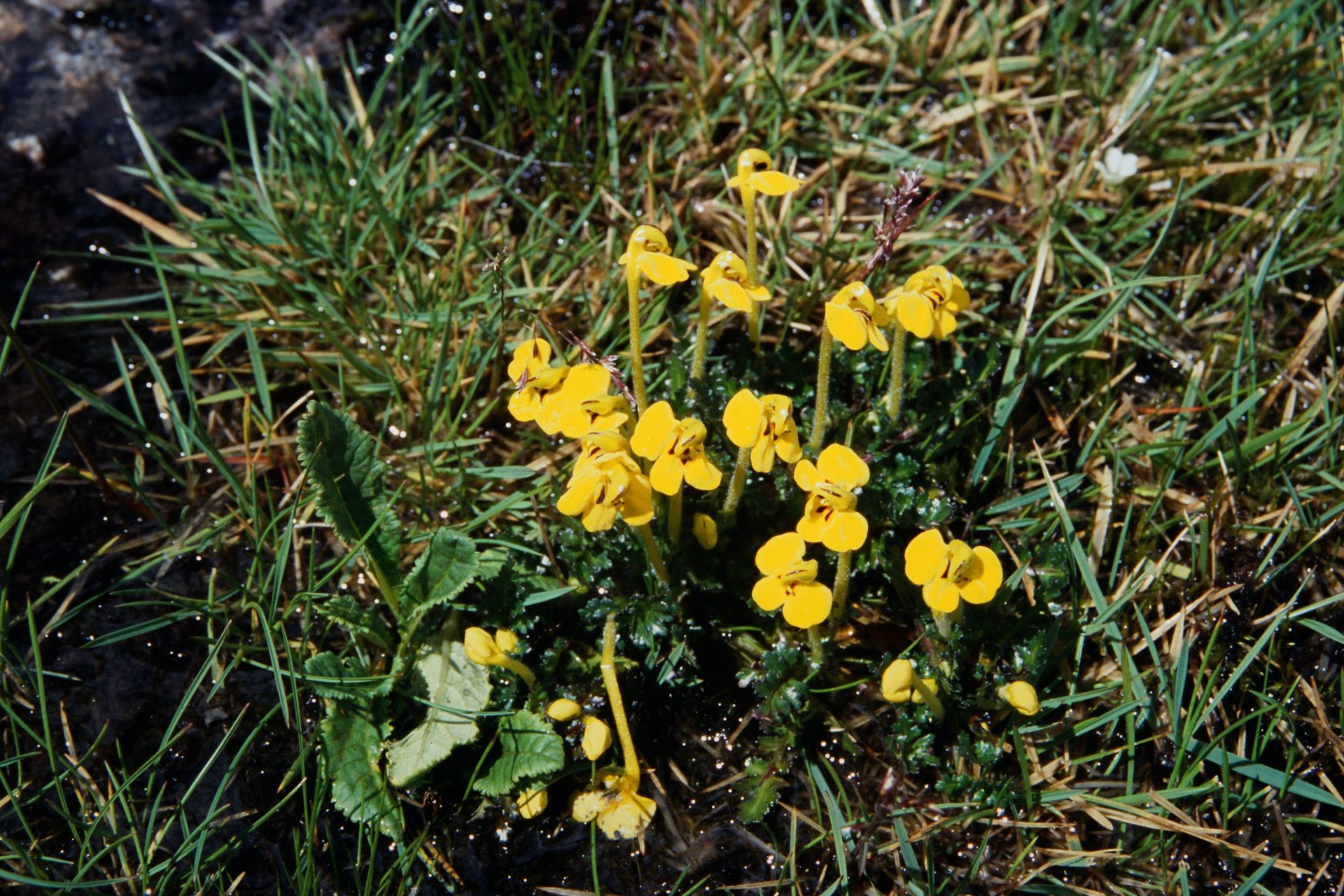
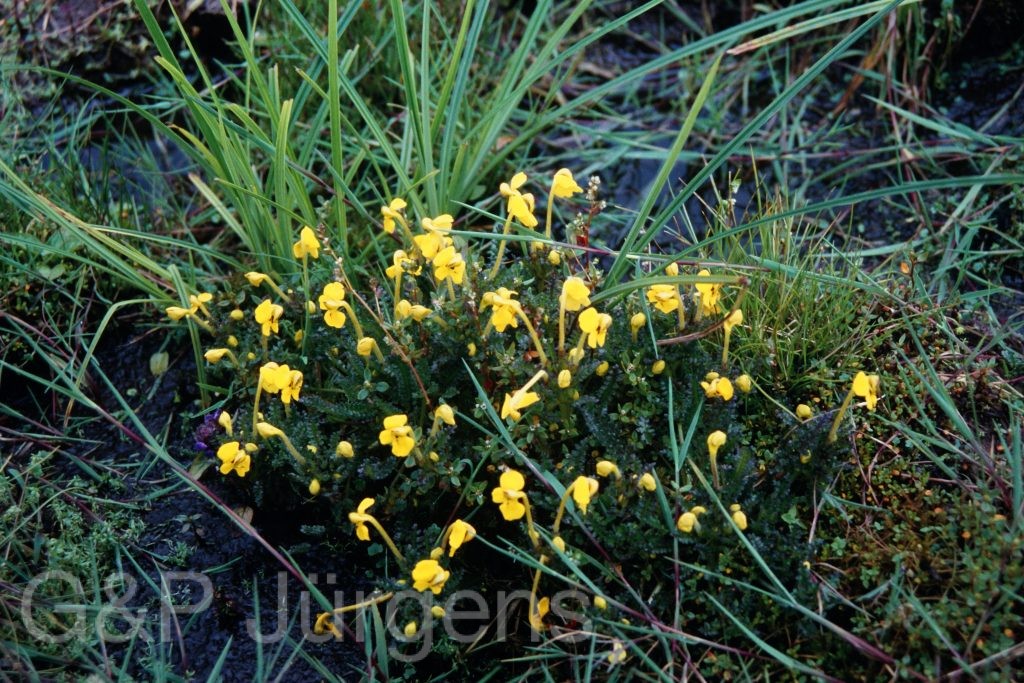
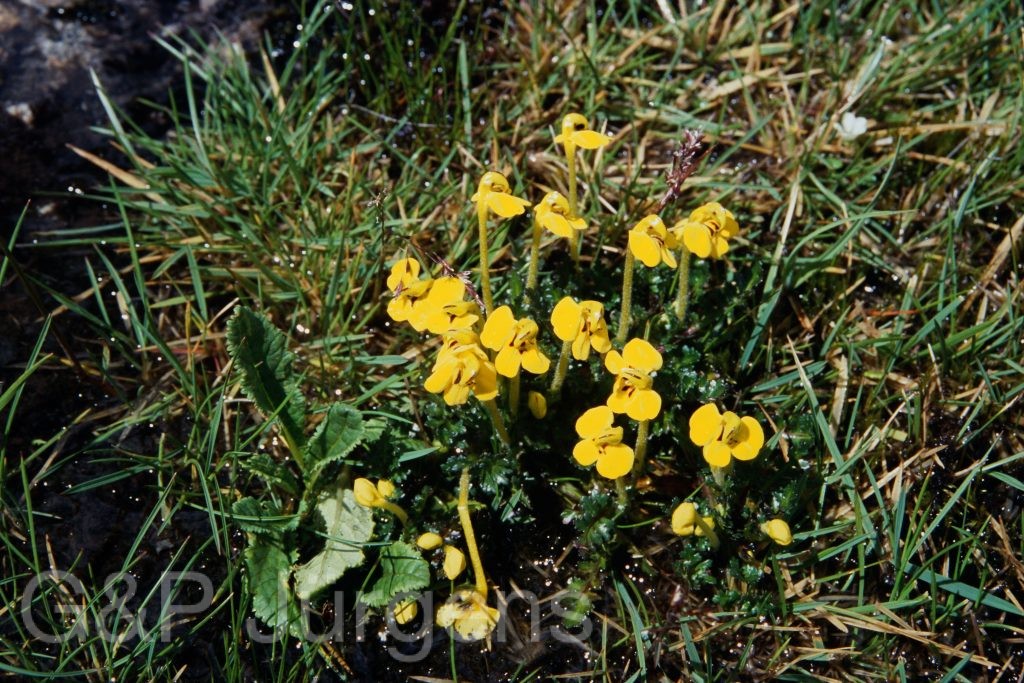
Pedicularis longiflora var. tubiformis is a hemiparasitic herb distributed across the high mountains of the eastern and central Himalaya and the Sino-Himalayan region, recorded from China, Nepal, India, Bhutan and Pakistan, with some 832 georeferenced occurrences documented in GBIF. It is a plant of moist alpine and subalpine habitats, favouring wet meadows, marshy ground, streamsides, seepage slopes and the margins of glacial pools, typically between 2700 and 4500 m. The photographed material was gathered in Sikkim above Choka at about 3200 m in August, during the summer monsoon when its populations flower most freely among the saturated turf.
The plant forms low tufted clumps from a fibrous rootstock, the several ascending to erect stems bearing both basal and cauline leaves. The leaves are oblong-lanceolate in outline and pinnately divided into closely set, crenate-dentate segments, often somewhat glabrous to sparsely hairy. The flowers are solitary or few in the upper axils, conspicuous for their very long, slender corolla tube that gives the species its epithet; the corolla is bright yellow, the galea (upper lip) abruptly bent and prolonged into a slender beak, while the lower lip is three-lobed and spreading. The fruit is an obliquely ovoid, beaked capsule enclosing several seeds.
Variety tubiformis is distinguished within the polymorphic P. longiflora complex chiefly by the proportions and curvature of the corolla tube and beak. As with most members of the genus, it is a root hemiparasite drawing water and nutrients through haustorial connections to neighbouring alpine plants, and its long-tubed yellow flowers are adapted to pollination by long-tongued bumblebees. Pedicularis reaches its greatest diversity in this part of Asia, and such wetland specialists are sensitive to hydrological change and grazing pressure on alpine pastures.
Author: (Klotzsch) Tsoong · Sources: POWO (Kew), GBIF, Flora of China, Flora of Bhutan, Pedicularis monograph (Tsoong)