
L.
Description
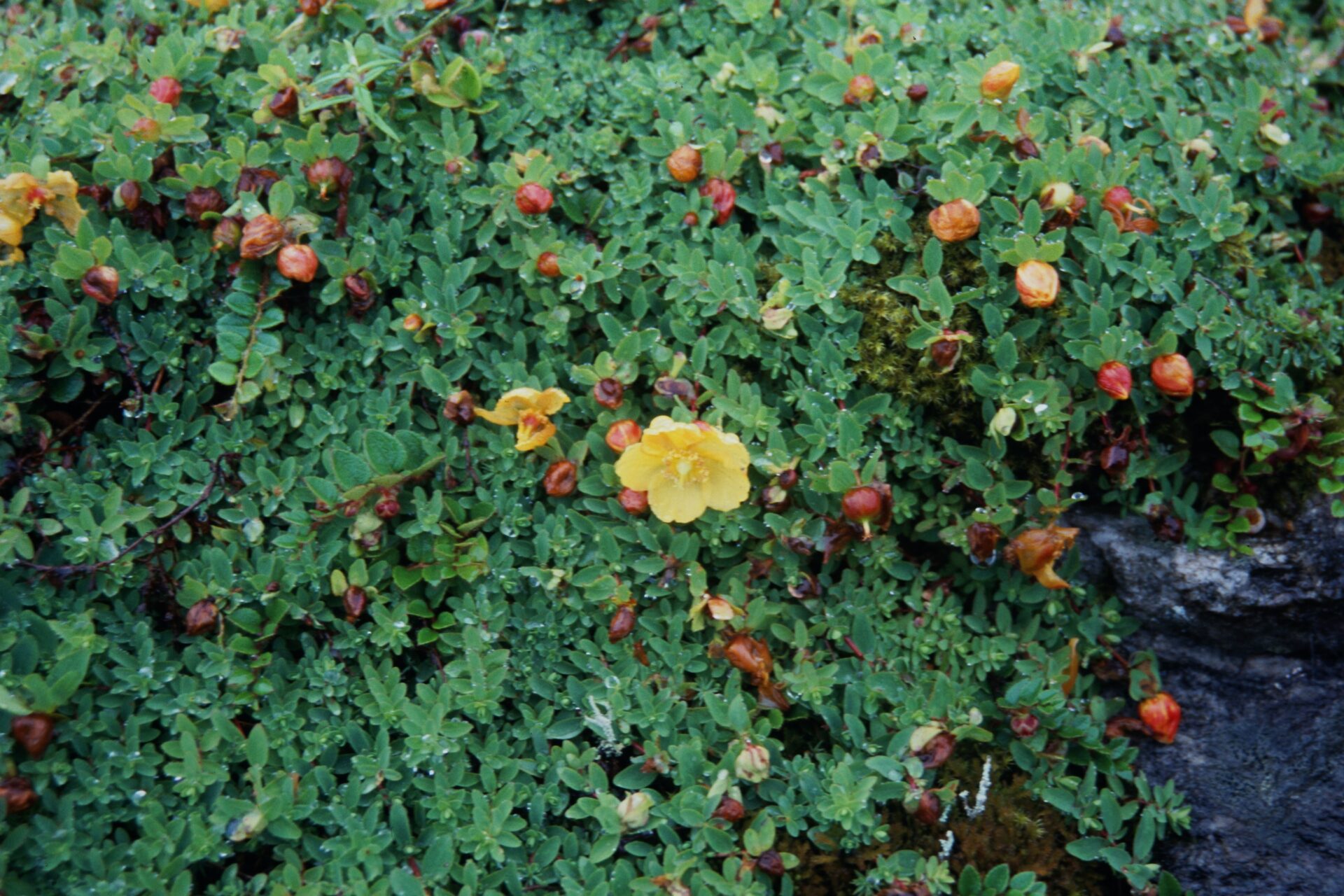
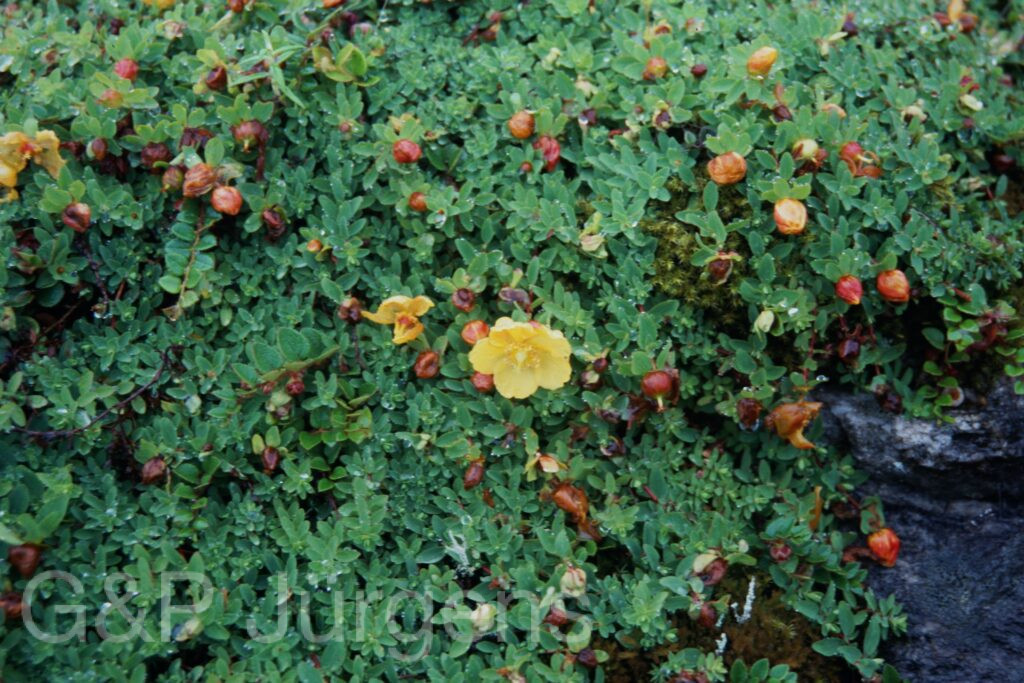
Potentilla reptans, creeping cinquefoil, is an exceptionally widespread Eurasian and North African perennial, one of the commonest of all temperate herbs, with over 740,000 GBIF occurrences dominated by European records from France, Britain, the Netherlands, Germany, Scandinavia, Iberia and Russia, alongside its introduced range. It thrives in grassland, roadsides, meadows, lawns and disturbed moist ground from lowlands to montane elevations. In the Himalaya it occurs as a native or naturalised element, as documented in the Lachung Valley of Sikkim at 3200 m in August, where it grows along damp valley tracks and pasture edges during the monsoon.
It is a prostrate, stoloniferous perennial spreading by long slender runners that root at the nodes to form extensive mats. The leaves are long-petioled and palmately compound, usually with five obovate, coarsely toothed leaflets (hence "cinquefoil"), green and sparsely hairy. The flowers are solitary on slender axillary pedicels arising from the nodes, the corolla bright yellow with five broadly obcordate petals exceeding the epicalyx and calyx, surrounding numerous stamens and a dome of free carpels on a hairy receptacle. The fruit is an aggregate of small, dry, finely rugose achenes.
Potentilla is a large rosaceous genus and P. reptans is a model of clonal growth, reproducing efficiently by rooting stolons as well as by seed. Its open yellow flowers are visited by a broad range of generalist insects. As an aggressive colonist of disturbed ground it is of weedy rather than conservation significance and is among the most ecologically successful species in the genus.
Author: L. · Sources: POWO (Kew), GBIF, Flora Europaea, Flora of China, Flora of British India, Wolf monograph of Potentilla