
W.W. Sm.
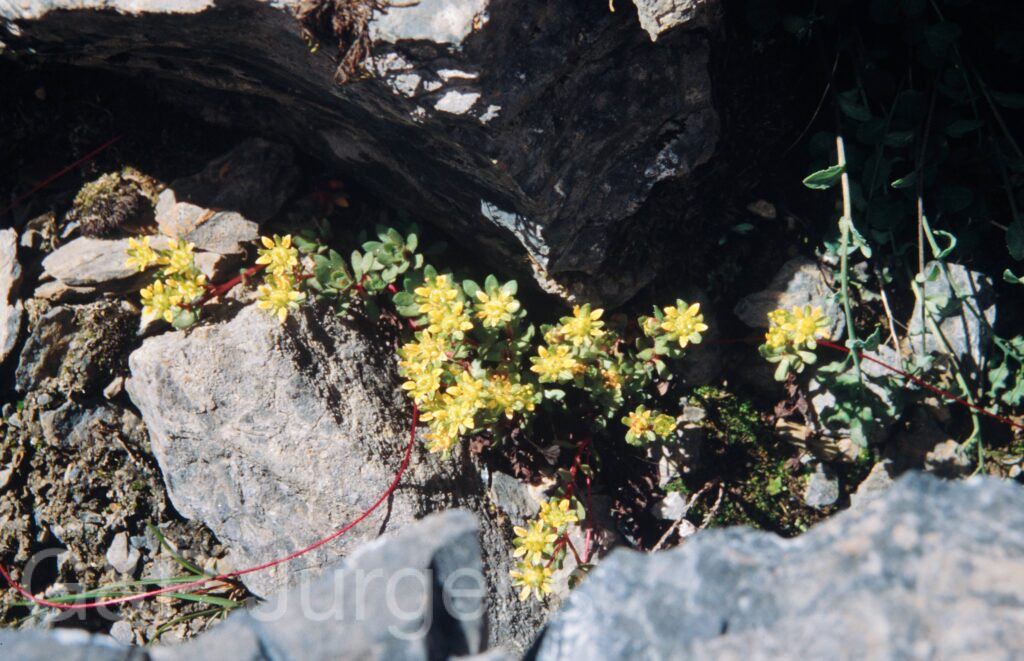
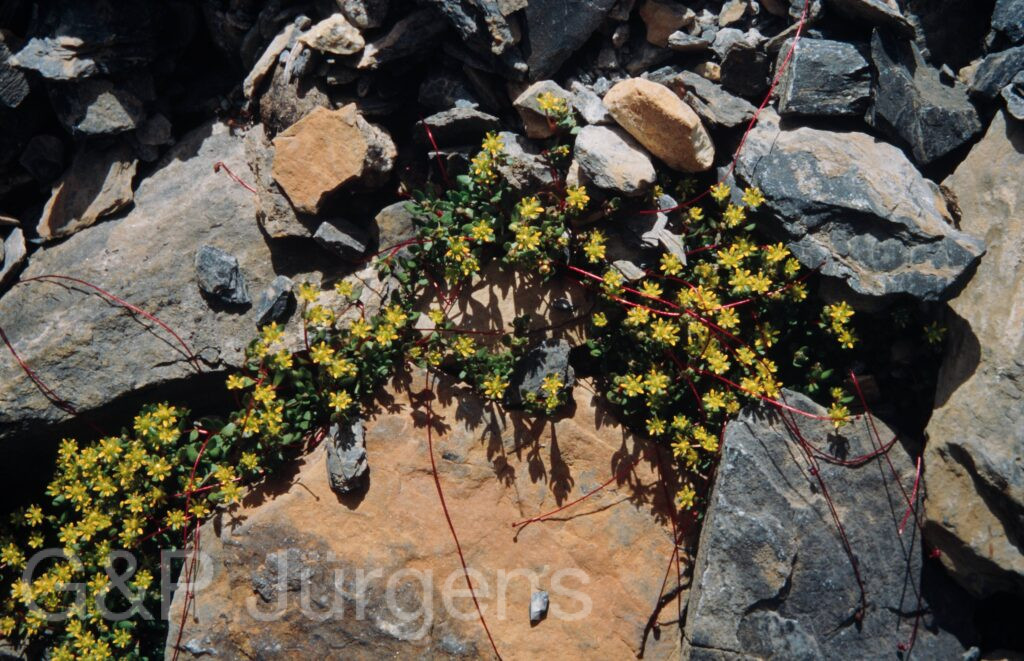
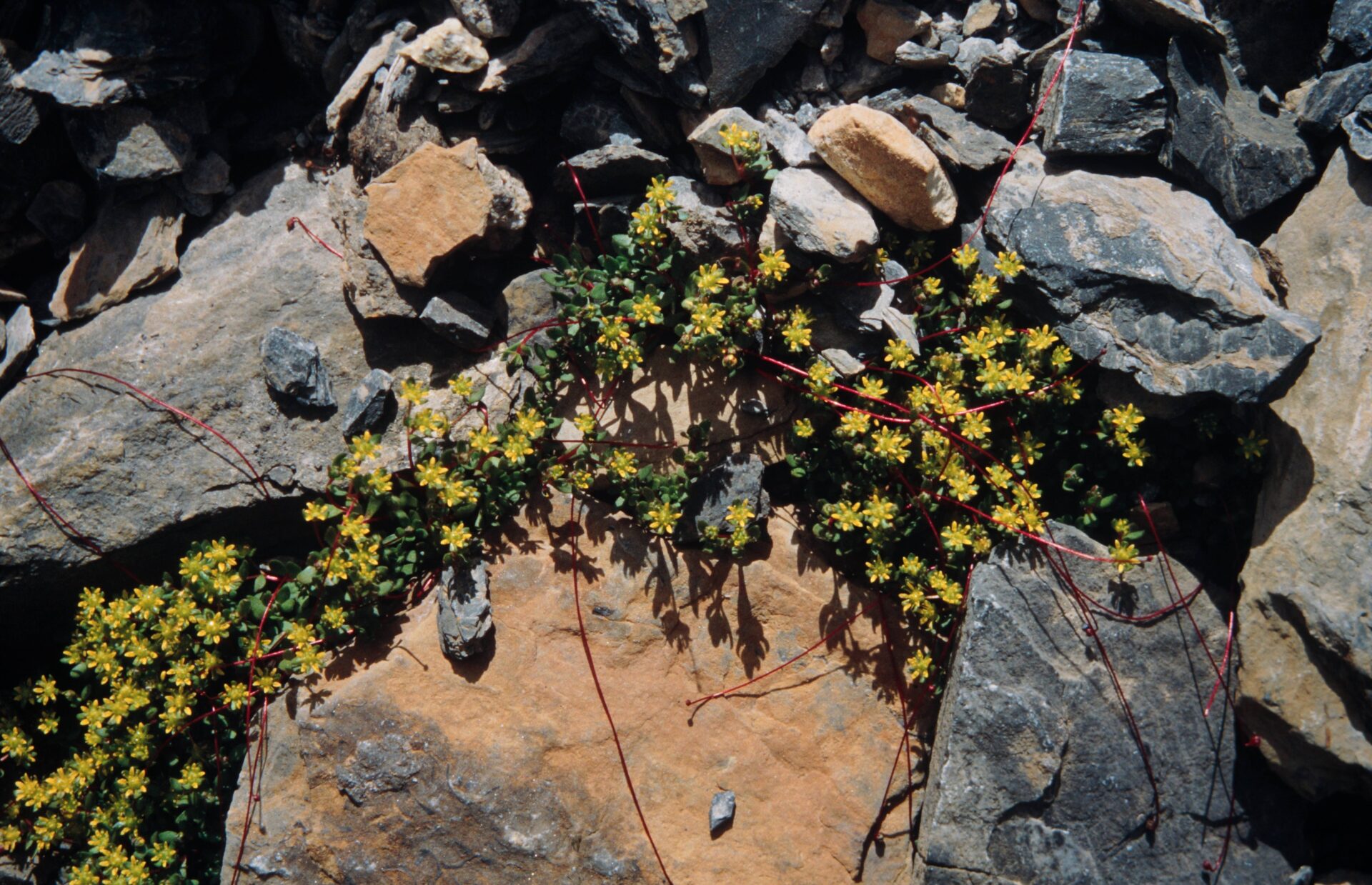
Description
Saxifraga consanguinea W.W.Sm. is a small alpine perennial of the high Himalaya, narrowly distributed and documented by GBIF (163 occurrences) only from China and Nepal. It is a true high-mountain plant of moist alpine turf, rocky slopes, screes and the margins of snowbeds, generally well above the treeline. The cited collection from Baga-La-Phedi in west Nepal at 4500 m in July typifies its habitat in the cold, open alpine zone, where it grows on damp, gravelly ground kept moist by lingering snowmelt during the brief summer flowering season.
The species is a cushion- to tuft-forming herb arising from a slender rootstock, with short stems and crowded, small, sessile leaves that are oblong to linear, entire and often somewhat fleshy, frequently with marginal or apical hydathodes. The flowering stems are short and few-flowered to solitary-flowered; the flowers have five free, yellow petals, a partly inferior, bicarpellate ovary with two short divergent styles, and ten stamens. The fruit is a small bilocular capsule dehiscing between the persistent styles to liberate numerous tiny seeds, the whole plant adapted to the brief, cold growing season of the high alpine.
Saxifraga consanguinea belongs to the predominantly yellow-flowered, alpine sections of this large, taxonomically complex circumboreal and Sino-Himalayan genus, in which species delimitation rests on fine cushion, leaf and floral characters. Its restriction to China and Nepal makes it a genuine high-Himalayan endemic of conservation interest; though no major threats are recorded, its narrow range and dependence on snowmelt-fed alpine habitats render it potentially sensitive to climatic warming and shifting snow regimes.
Author: W.W. Sm. · Sources: POWO (Kew), GBIF, Flora of Nepal, Flora of China, The Saxifragaceae of the Sino-Himalaya, Saxifrages of the World (Webb & Gornall)