
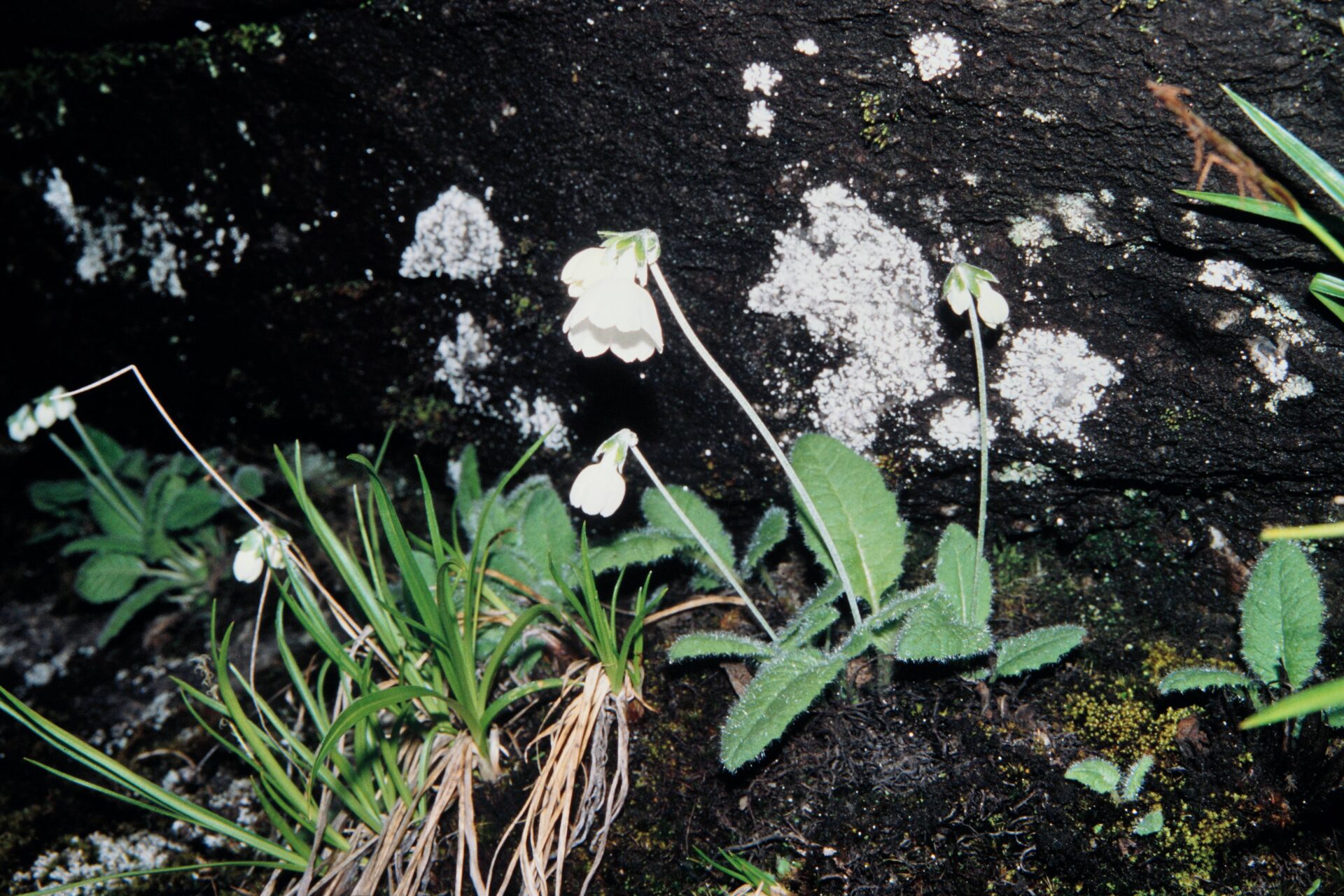
Duthie
Description
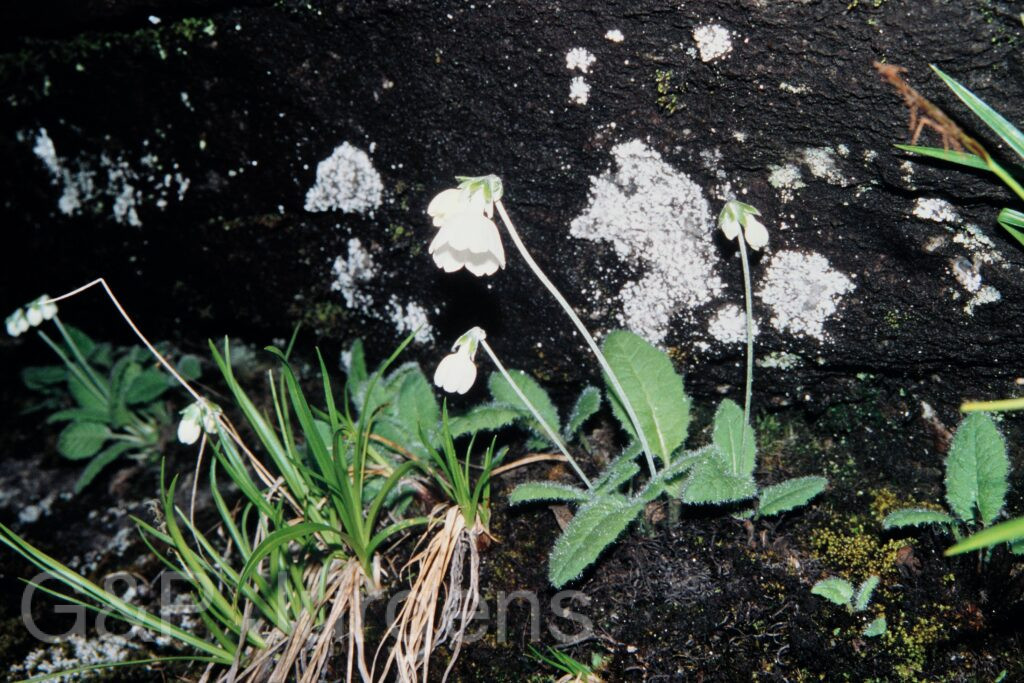
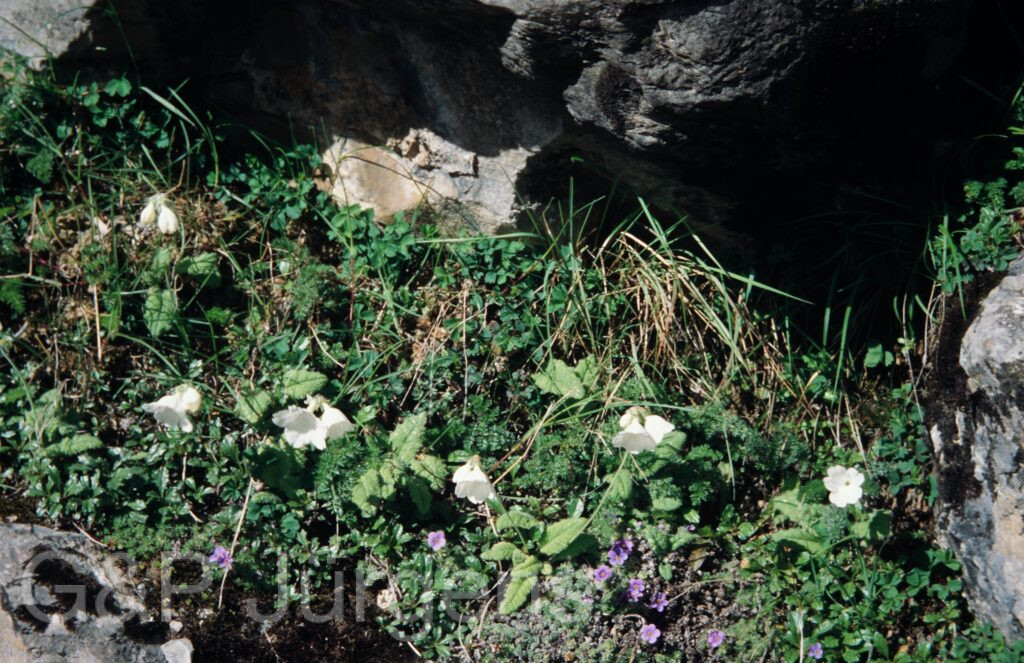
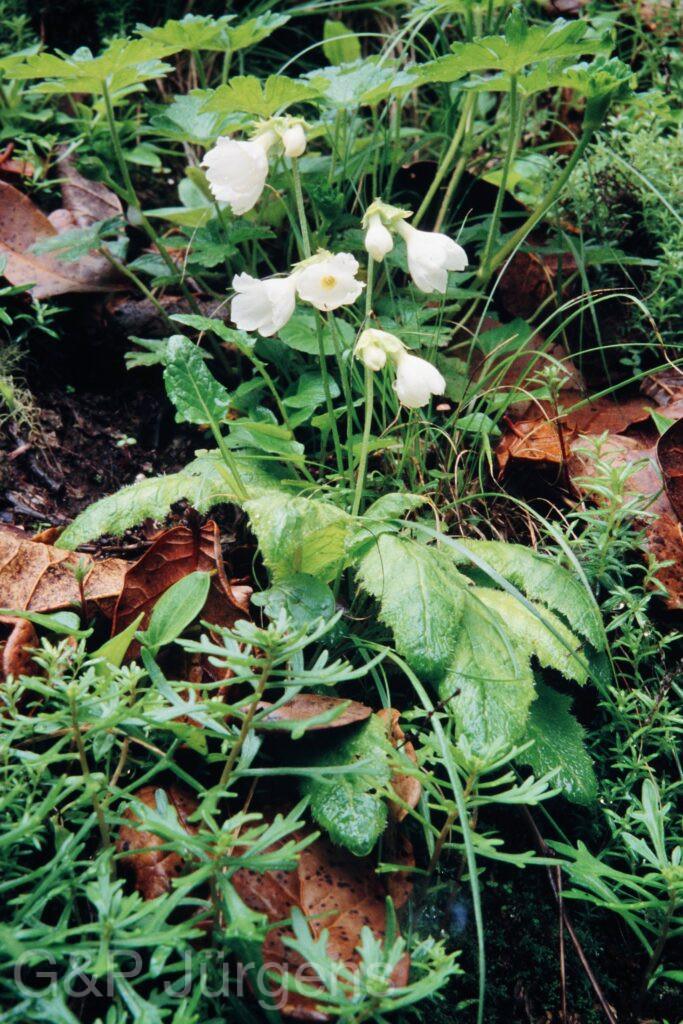
Primula reidii is a celebrated alpine primrose of the western and central Himalaya, with about 80 GBIF occurrences recorded from Nepal, India and Pakistan. It is a plant of cool, humid high-elevation habitats, growing among moist rocks, on shaded ledges, in crevices and on steep banks where seepage and snowmelt maintain constant moisture. The documented localities span a wide altitudinal range, from Naphukana in West Nepal at about 2830 m and Churta-Khola at 3800 m in June to Baga-La-Phedi at around 4350 m in July, confirming its occurrence from the upper temperate well into the alpine zone during the early monsoon flowering season.
It is a perennial rosette herb, the leaves clustered at the base into a rosette, oblong to oblanceolate, soft-textured, crenate to toothed, and frequently bearing a white or yellowish farinose (mealy) coating on the scape, calyx and leaf undersides. The flowers are borne in a terminal umbel or short head on a leafless scape, subtended by an involucre; each has a tubular, farinose, five-lobed calyx and a bell-shaped (campanulate), nodding corolla. The famously fragrant flowers are white to pale blue with five rounded, often notched lobes. The species is typically homostylous, and the fruit is a small capsule releasing numerous fine seeds.
The genus Primula reaches its greatest diversity in the Sino-Himalayan mountains, and P. reidii, described by Duthie, belongs to the bell-flowered alpine assemblage traditionally placed in section Soldanelloides, esteemed by horticulturists for its scented, nodding bells. It is a much-admired but somewhat localised alpine restricted to specific moist rock habitats; while not formally assessed as threatened, such niche-restricted alpines are sensitive to collection pressure, grazing and the warming-driven desiccation of high-altitude seeps.
Author: Duthie · Sources: POWO (Kew), GBIF, Flora of Nepal, Annotated Checklist of the Flowering Plants of Nepal, Richards Primula, Smith & Fletcher revision of Primula