
(Edgew.) Al-Shehbaz, O’Kane & R.A.Price
Description
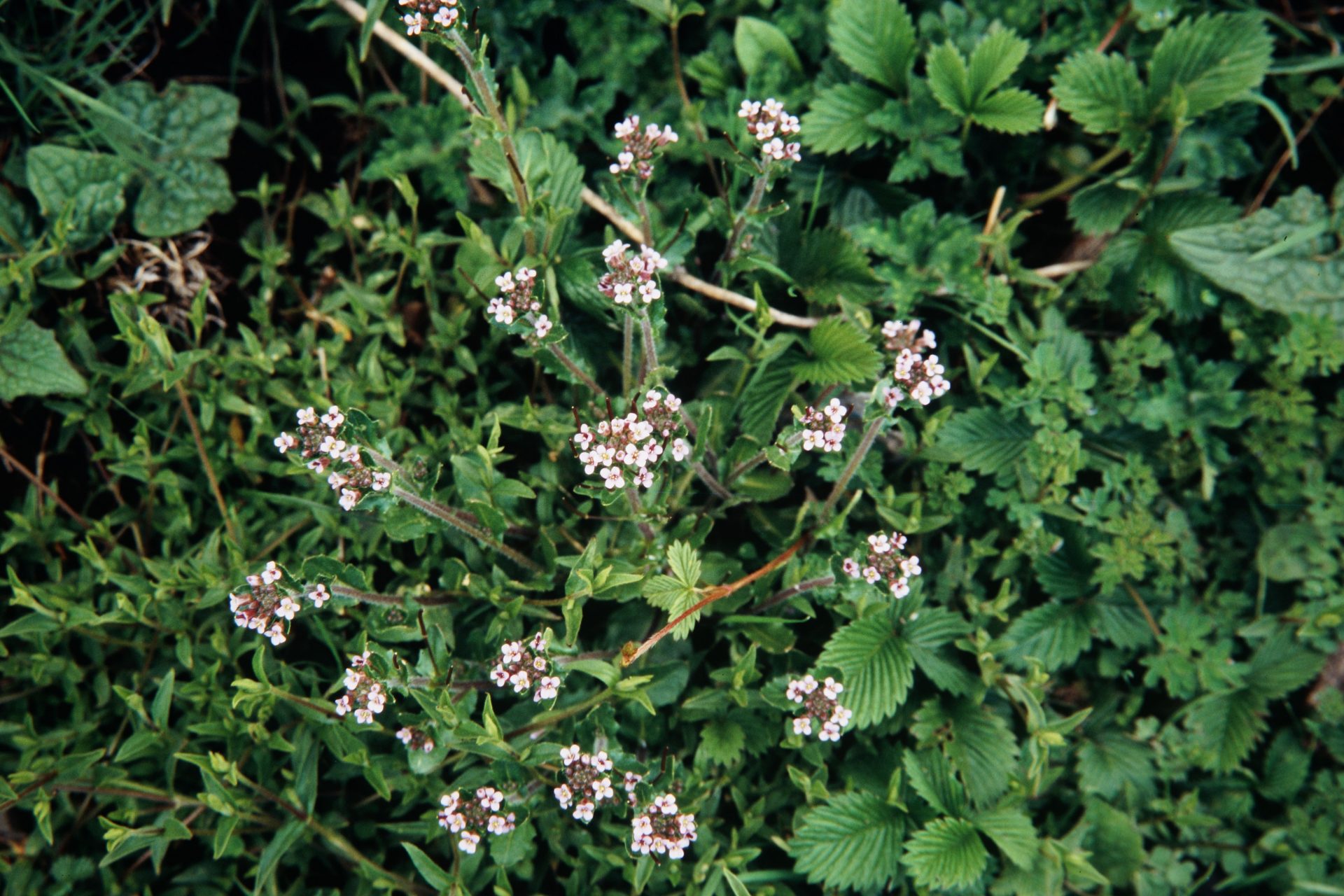
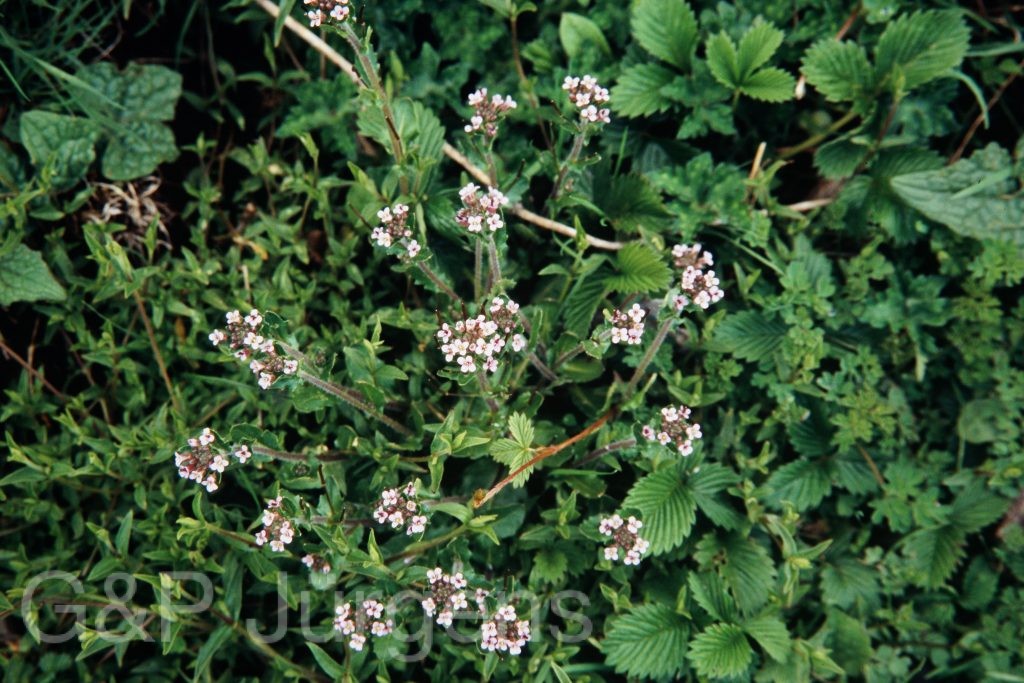
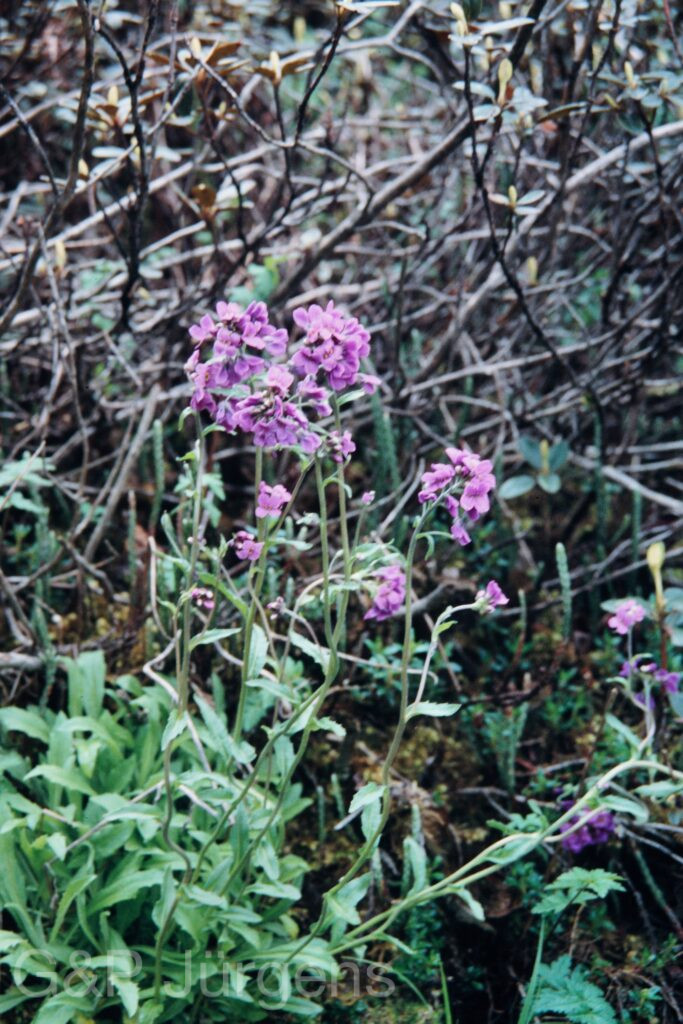
Crucihimalaya himalaica is a widespread alpine crucifer of the High Asian mountains, strongly represented in GBIF with about 704 occurrences spanning India, China, Nepal, Pakistan, Bhutan, Afghanistan, Iran and Myanmar. It is a plant of open, often disturbed high-elevation ground, growing on stony slopes, screes, moraine, grazed turf, fallow and the margins of cultivation in the subalpine and alpine belts. The plants photographed at Phajoding in Bhutan at about 3700 m and south of Rara Lake in West Nepal at 3400 m, both in June, illustrate its characteristic occupation of open alpine slopes early in the growing season across the breadth of the range.
It is an annual to short-lived perennial herb with a basal rosette of oblanceolate to spathulate leaves bearing toothed or lyrate-pinnatifid margins, the herbage often clothed in branched (stellate or dendritic) and simple hairs. The erect, sparingly leafy stems terminate in racemes of small flowers with four free sepals and four white to pale lilac petals arranged in the cruciform pattern of the family, and six stamens in the usual tetradynamous arrangement. The fruit is a slender, linear, elongate silique that ascends to spreading and dehisces by two valves from a persistent septum to release the seeds.
The genus Crucihimalaya was segregated from Arabis and allied genera on molecular and morphological grounds by Al-Shehbaz, O'Kane and R.A.Price, and it is closely related to Arabidopsis, making the group of interest in comparative and evolutionary genomics. As an abundant, ecologically flexible species thriving in both natural and anthropogenically disturbed alpine habitats, C. himalaica is of no conservation concern, and its wide range reflects effective dispersal and tolerance of harsh, open mountain conditions.
Author: (Edgew.) Al-Shehbaz, O'Kane & R.A.Price · Sources: POWO (Kew), GBIF, Flora of China, Flora of Bhutan, Flora of Pakistan, Al-Shehbaz Brassicaceae of the Himalaya