
Hook.f. & Thomson
Description
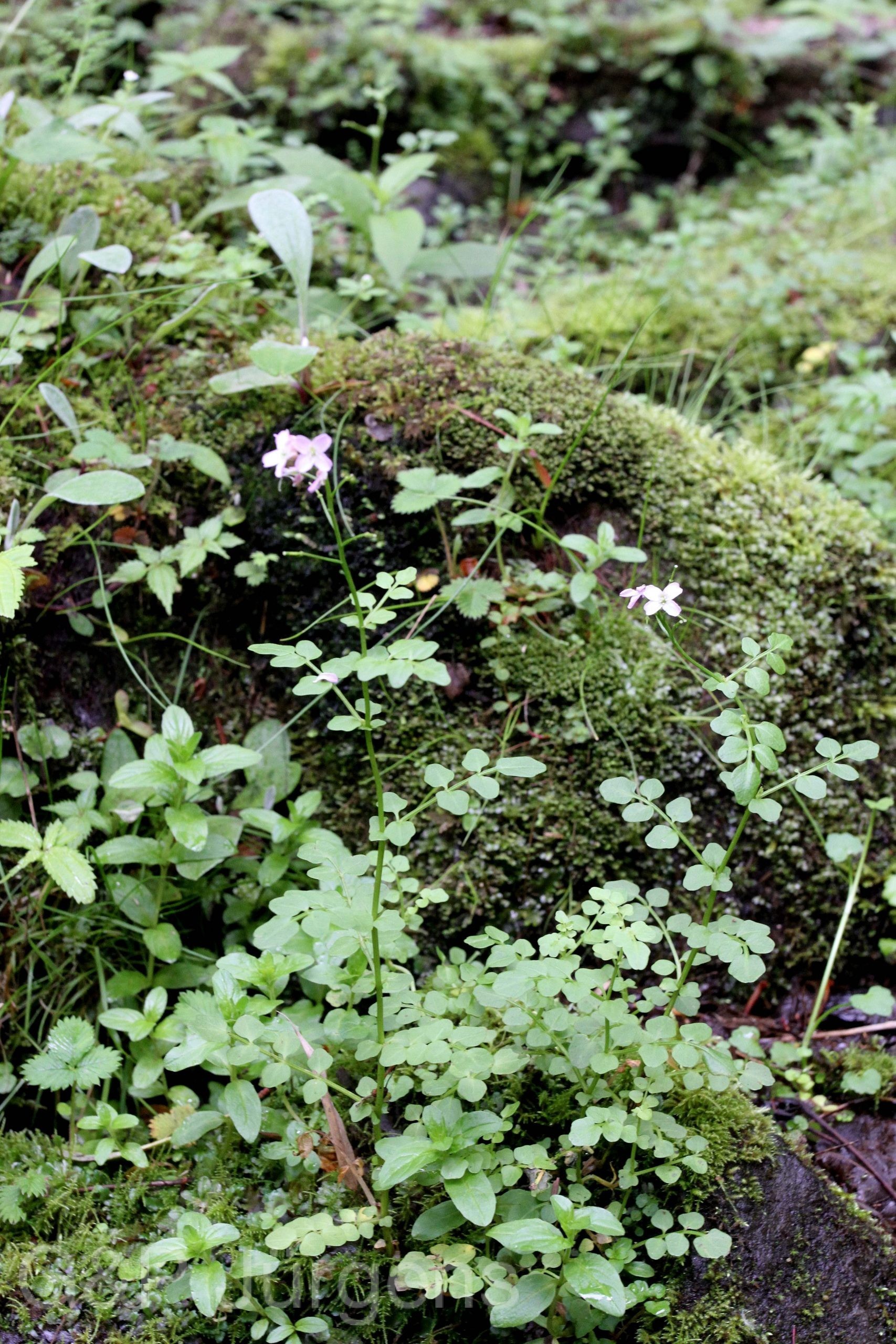
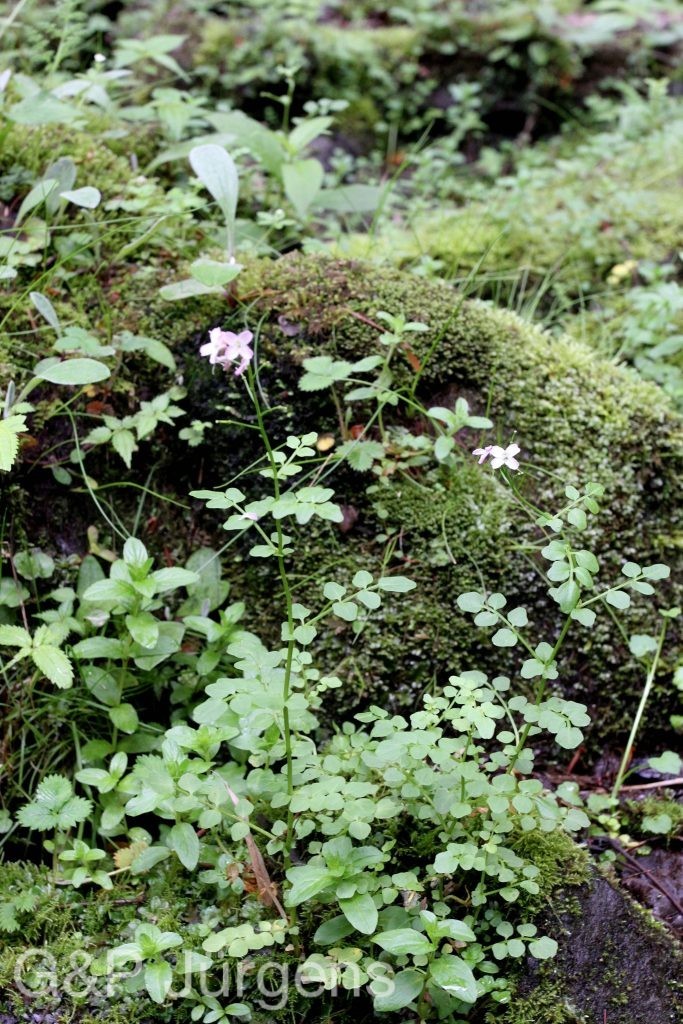
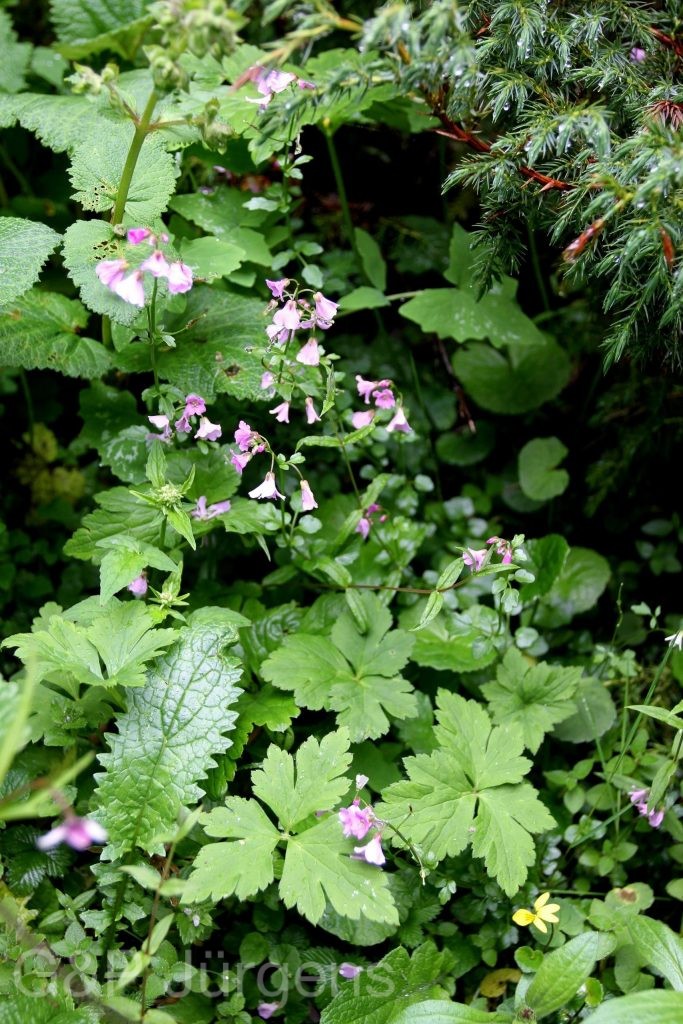
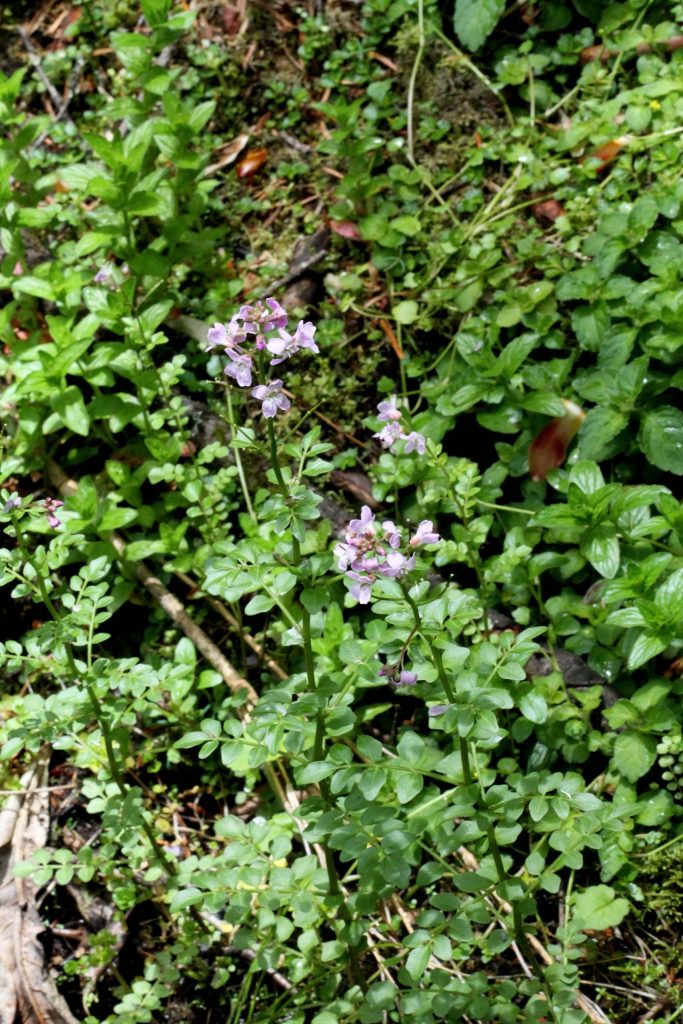
A perennial bittercress of the eastern Himalaya and adjacent mountains, recorded from China, Bhutan, India, Nepal and Myanmar, with around 577 GBIF occurrences. It is a plant of cool, wet ground, frequenting stream banks, seepages, marshy meadows, damp forest floors and shaded rocky places in the temperate to subalpine belt, mostly between about 2800 and 3800 m. The featured collections come from several Bhutanese sites in June and July, including Chogcham at 3450 m, Luksor at 2900 m and Tsochenchen at 3500 m, all moist, sheltered montane habitats.
The species grows from a slender rhizome, producing erect or ascending, glabrous to sparsely hairy stems. The leaves are pinnately compound, the lower with several pairs of stalked, ovate to lanceolate, toothed leaflets and a larger terminal leaflet; cauline leaves are similar but reduced upward. The inflorescence is a terminal raceme of small white to pale lilac flowers, each with four sepals and four clawed, spreading petals in the typical cruciform pattern, six tetradynamous stamens and a superior bilocular ovary. The fruit is a slender, linear, slightly flattened silique that dehisces elastically from the base, scattering the small seeds in a single row per locule.
Accepted by POWO and GBIF, C. griffithii belongs to a taxonomically intricate genus in which Himalayan species are distinguished by leaf division, petal size and habitat. Like many bittercresses it is closely tied to permanently moist microhabitats and the elastic silique aids local seed dispersal. It is widespread and often locally common in suitable damp ground across its range, and is not considered threatened, though it depends on intact montane wetlands and riparian zones.
Author: Hook.f. & Thomson · Sources: POWO (Kew), GBIF, Flora of Bhutan, Flora of China, Jafri monograph of Brassicaceae