
Müll.Arg.
Description
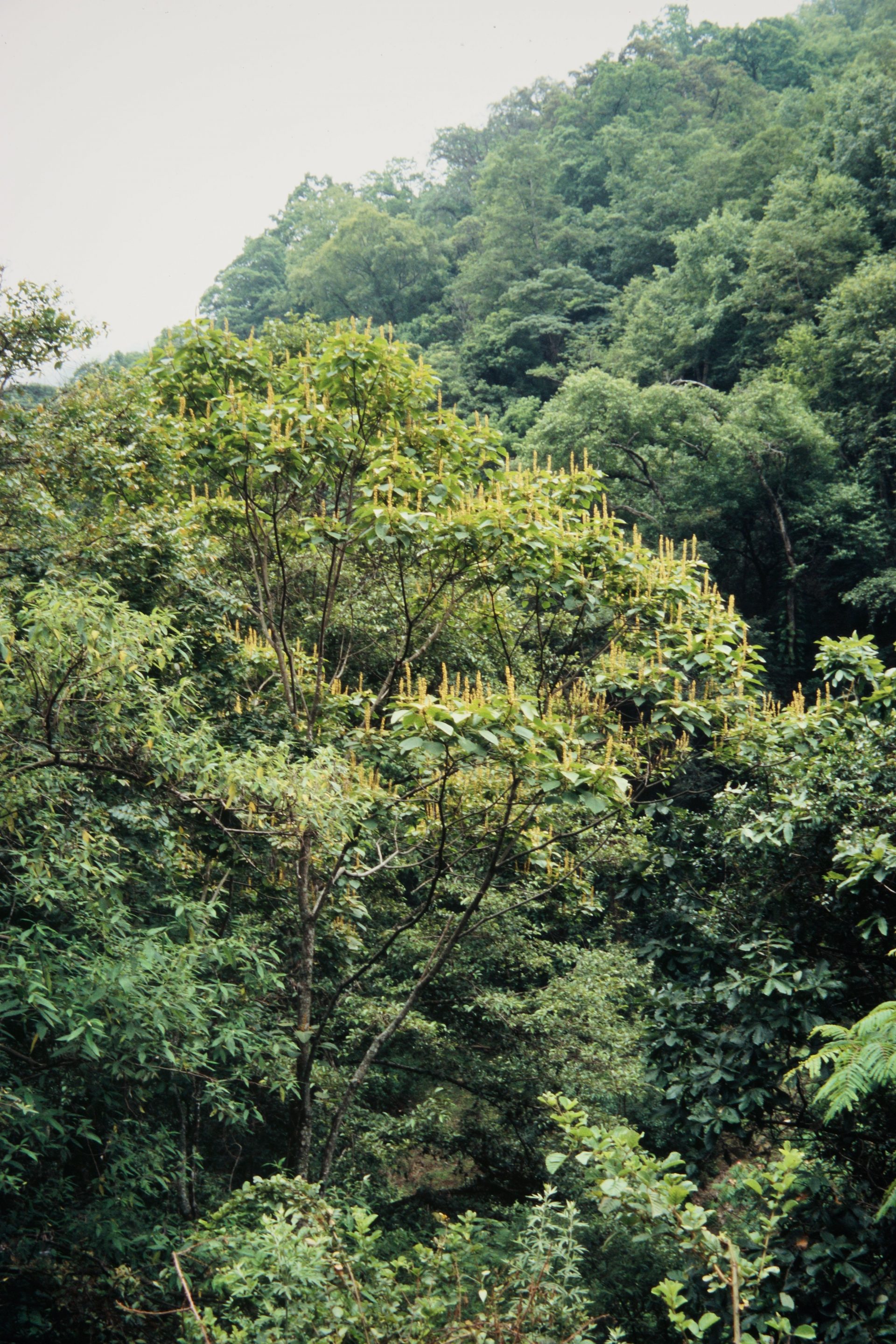
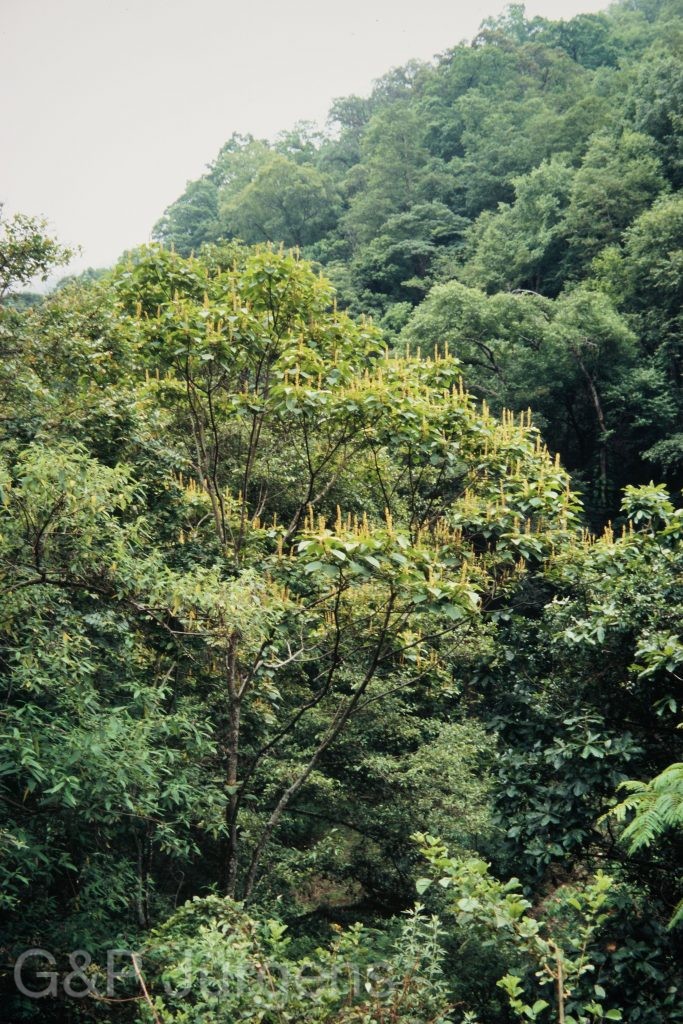
Mallotus nepalensis is a small tree or shrub of the subtropical to lower-temperate Himalaya and its eastern extensions, documented by GBIF (972 occurrences) across China, Nepal, India, Bhutan, Myanmar, Taiwan, Vietnam, Japan and Pakistan. It grows in secondary forest, scrub, forest edges and along streams and clearings, characteristically as a light-demanding component of disturbed and successional vegetation, mostly between about 800 and 2000 m. The collections from Wangdi in Bhutan at 1650 m in June and from Lingza in West Bengal at 1250 m in May illustrate its montane-subtropical distribution along the southern Himalayan front.
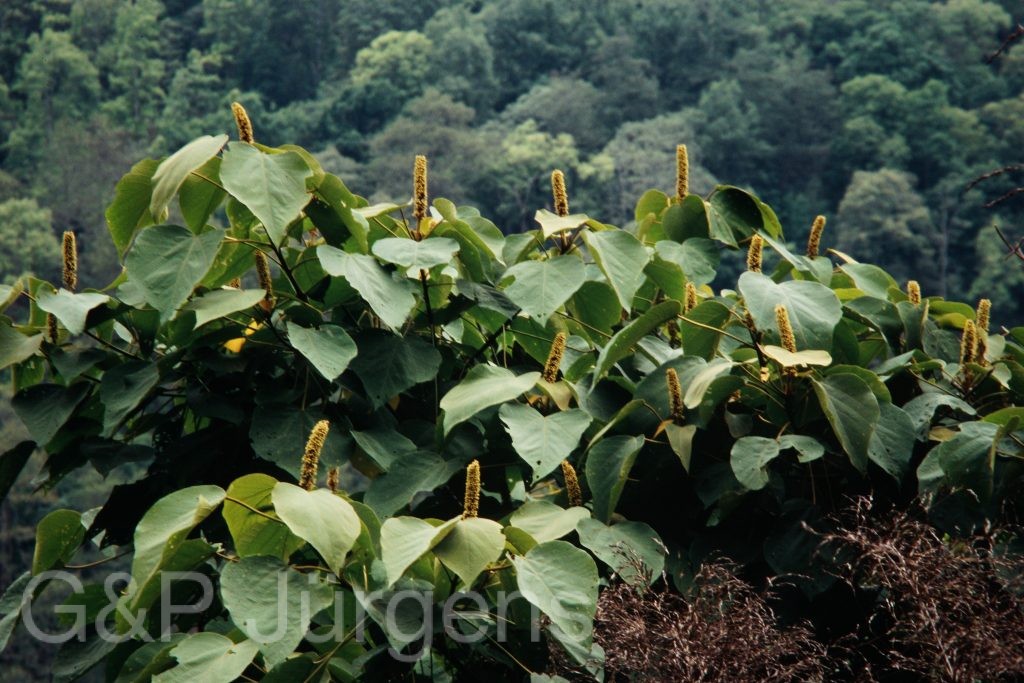
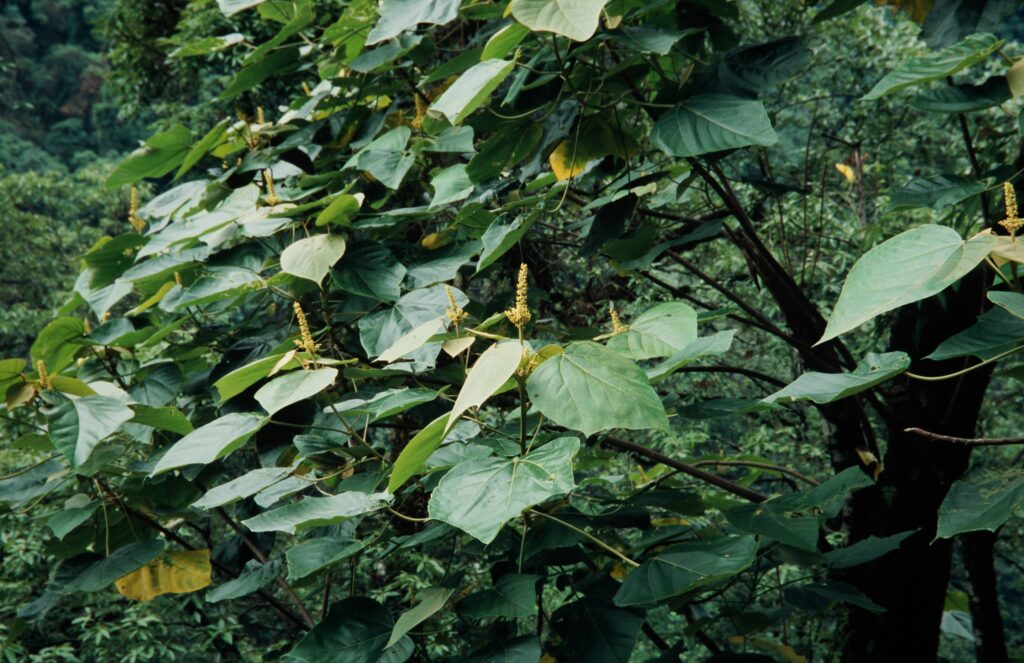
The plant is a deciduous shrub or small tree whose young branchlets, petioles and inflorescences are clothed in stellate hairs and reddish, granular peltate glands typical of the genus. The leaves are alternate, long-petiolate, broadly ovate to deltoid, often with two glands at the blade base and a pair of basal lateral nerves, the lower surface pale and gland-dotted. The plant is dioecious; minute apetalous flowers are borne in slender terminal and axillary racemes or panicles, the staminate with numerous stamens, the pistillate with a softly spiny ovary. The fruit is a globose, three-lobed capsule beset with soft processes and covered in red glandular powder.
Mallotus belongs to subfamily Acalyphoideae of the Euphorbiaceae and is characterised by its stellate indumentum and resinous peltate glands, the latter yielding the dye-like powder for which several species are known. Ecologically it behaves as a pioneer, regenerating freely in gaps and along disturbed margins, its capsular fruit and small seeds aiding rapid colonisation. The species is common and of no conservation concern.
Author: Müll.Arg. · Sources: POWO (Kew), GBIF, Flora of China Vol. 11, Flora of Bhutan Vol. 1, Flora of Nepal, Airy Shaw Euphorbiaceae of the Indian subcontinent