
Wall. ex D.Don
Description
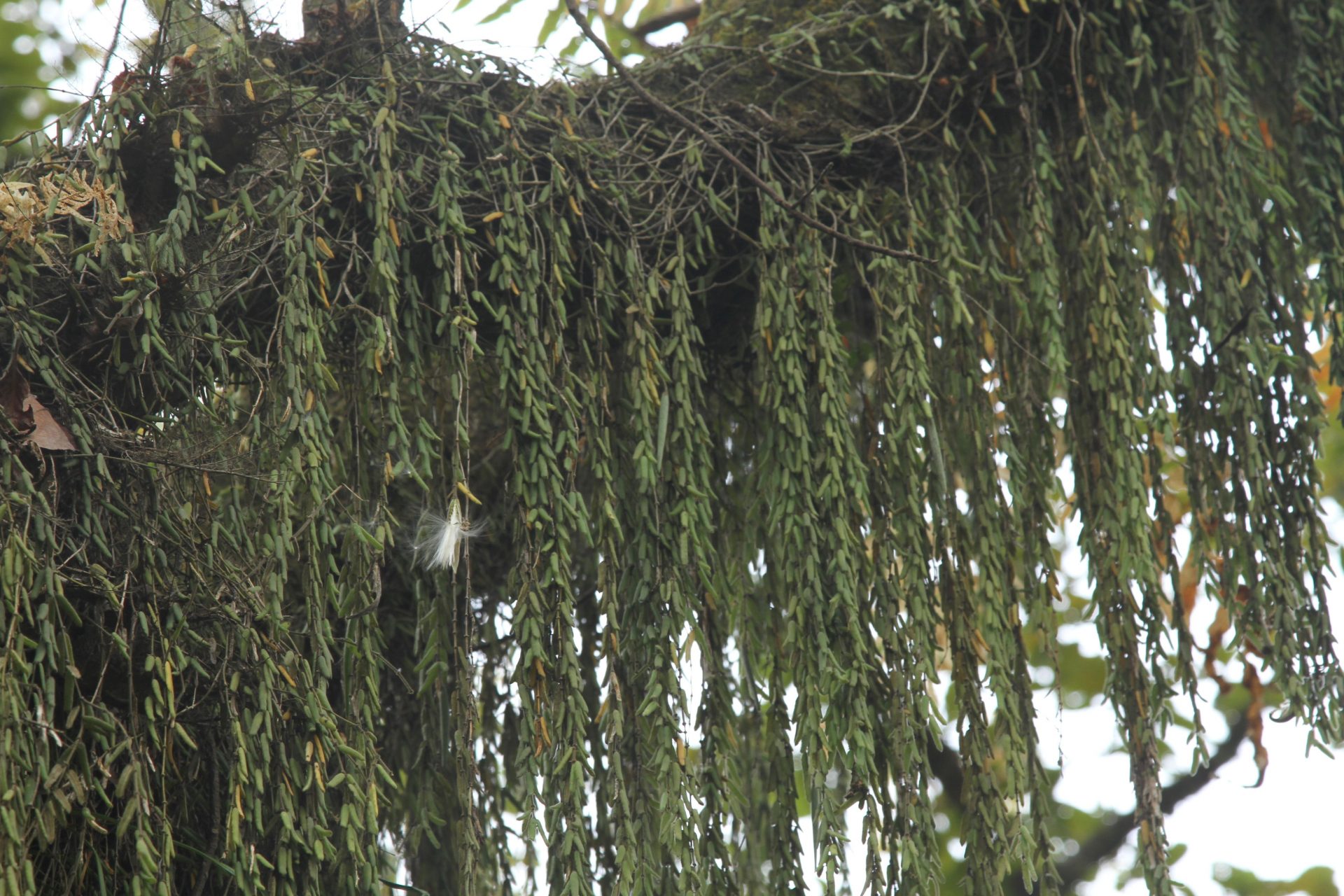
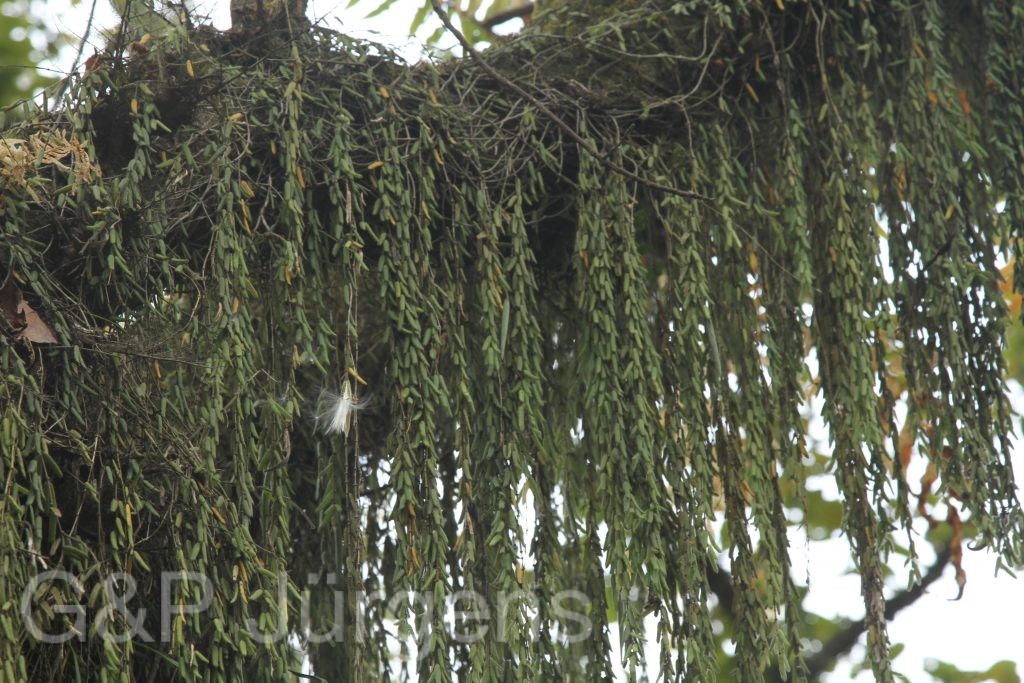
Hoya linearis is a Himalayan epiphytic wax-plant, GBIF recording around 106 occurrences from India, Bhutan, Nepal, China and Myanmar, the remaining records (US, ZA, FI, VN) representing cultivated material of this popular ornamental. It grows as a pendent epiphyte on mossy tree trunks and branches in humid, shaded broadleaved and evergreen montane forest, generally between about 1500 and 2500 m, where persistent cloud and high humidity sustain its succulent foliage. The plant photographed from Trashiyangtse (Trashiyantse) in eastern Bhutan at 1780 m, flowering in October, typifies its occurrence in cool, moist mid-montane forest where it festoons the canopy in long hanging masses.
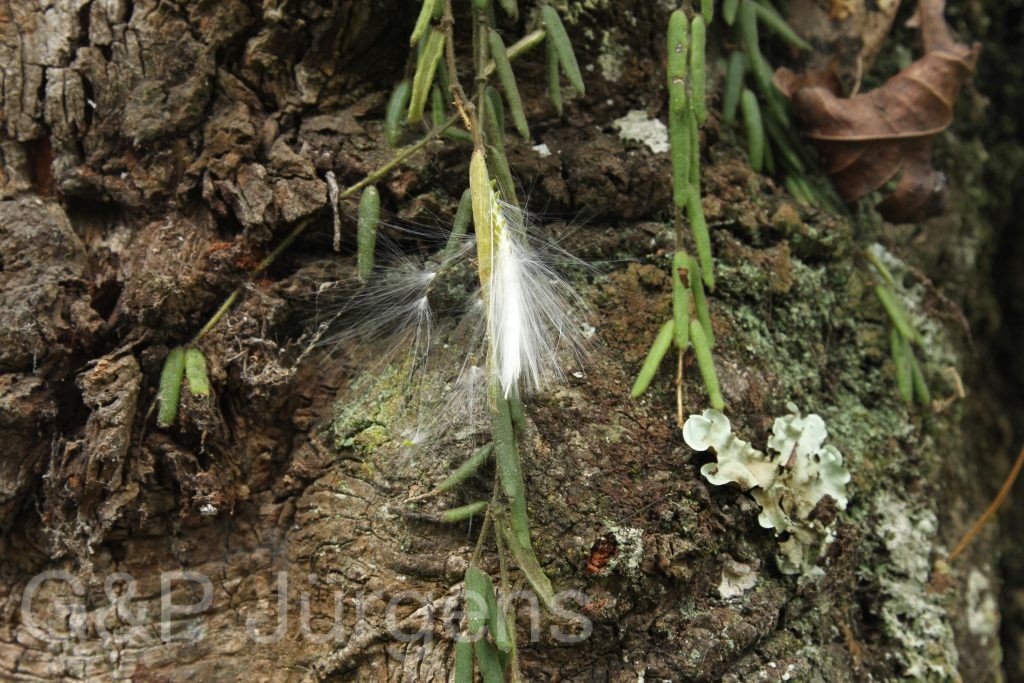
It is a glabrous to softly hairy epiphytic subshrub with slender, trailing or pendent stems rooting at the nodes. The leaves are distinctive: linear, narrow, soft, slightly fleshy and grooved above, hanging in dense curtains quite unlike the broad succulent leaves of most Hoya. The flowers are borne in pendent umbellate cymes; each has a small calyx and a fleshy, white, five-lobed, star-shaped corolla with a central corona typical of the asclepiad group, sweetly fragrant especially in the evening. The fruit is a slender paired follicle releasing comose seeds dispersed by wind.
Described by Wallich (ex D. Don), H. linearis is placed in Hoya within Apocynaceae (subfamily Asclepiadoideae, formerly Asclepiadaceae). Its specialised epiphytic, narrow-leaved habit makes it readily recognisable and a much-grown houseplant, though wild populations depend on intact humid montane forest and are vulnerable to deforestation and over-collection. Ecologically its fragrant flowers attract insect pollinators, while its plumed seeds exploit air currents to colonise new host trees.
Author: Wall. ex D.Don · Sources: POWO (Kew), GBIF, Flora of Bhutan, Flora of China, The Genus Hoya (Asclepiadaceae) – Kleijn & van Donkelaar monograph