
D.Don
Description
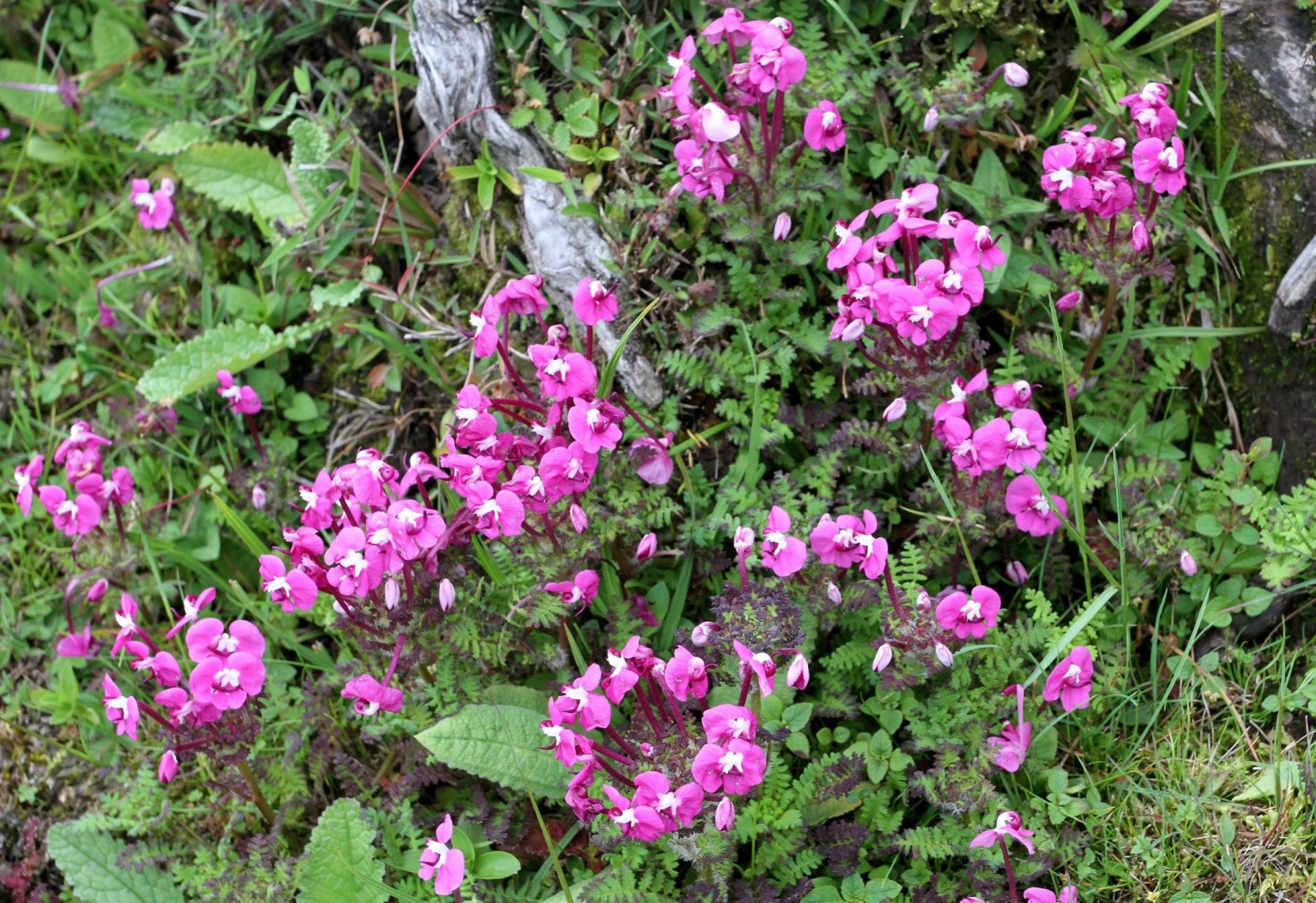
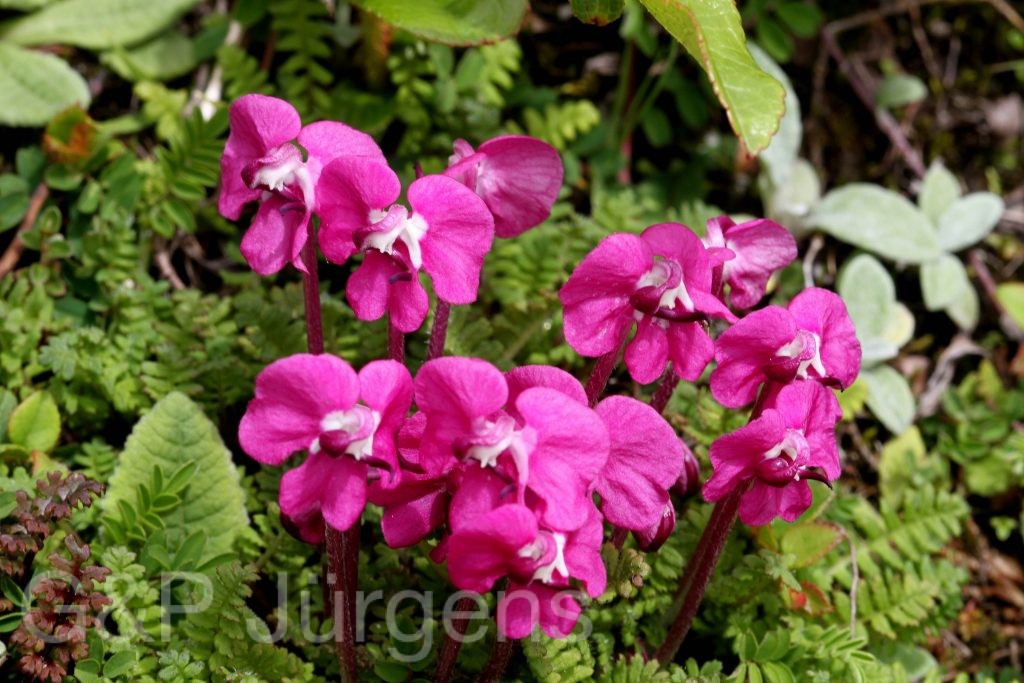
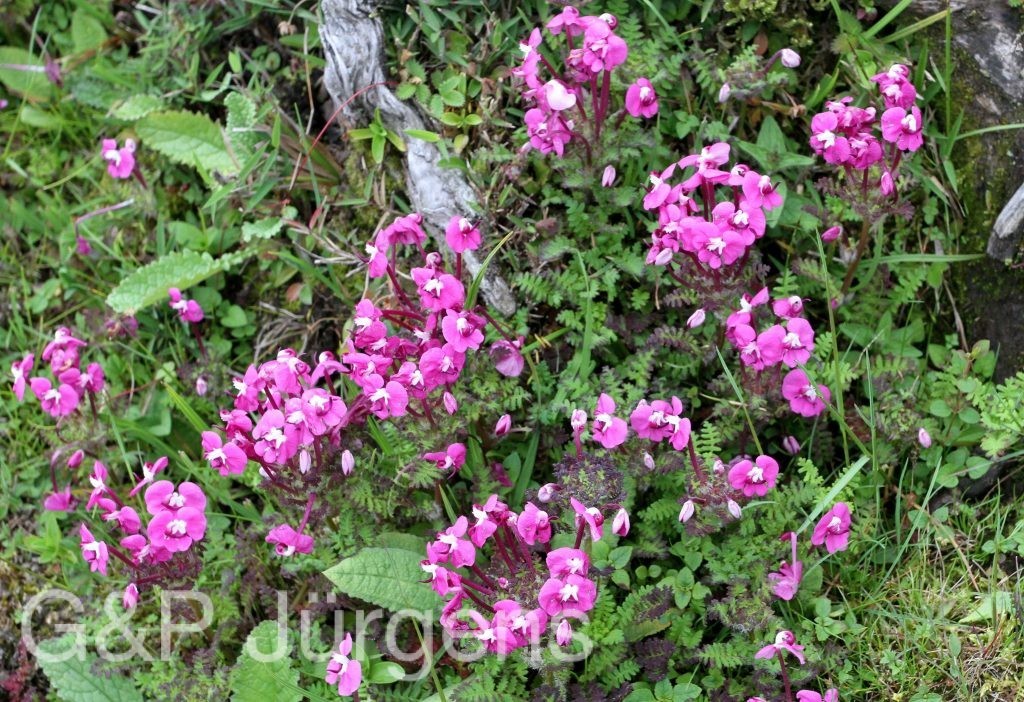
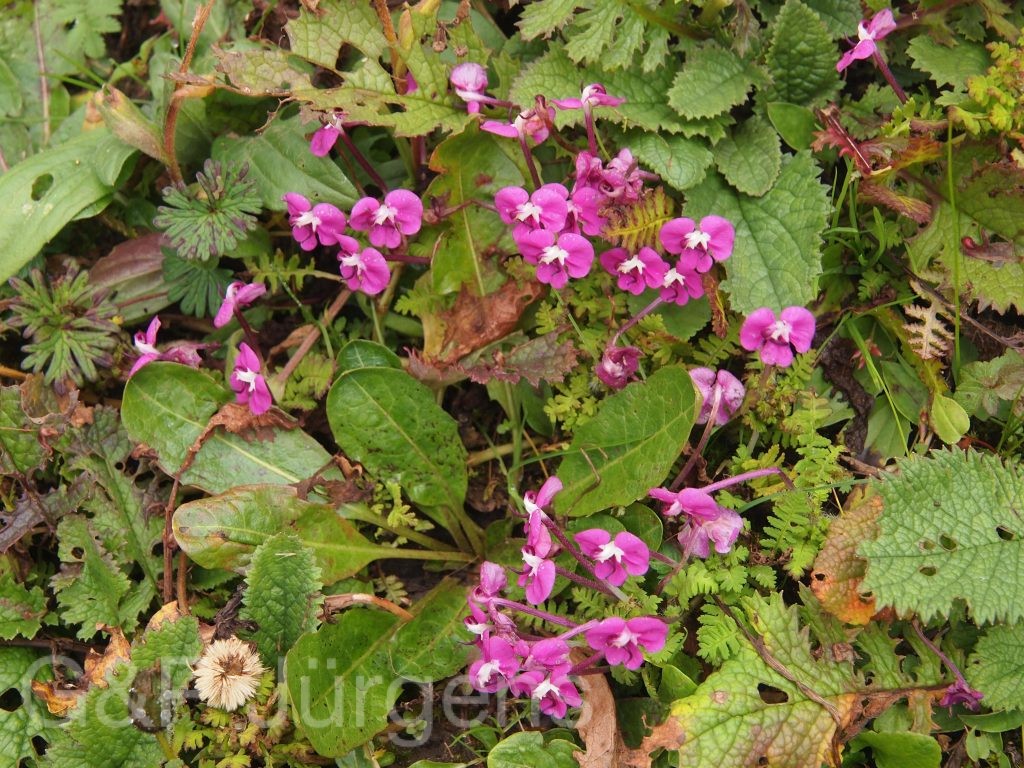
Pedicularis siphonantha is a Himalayan lousewort distributed through southern China, Nepal, northern India, Sikkim, Bhutan, Myanmar and Pakistan, well represented in GBIF with 810 occurrences. It is a plant of moist alpine and subalpine meadows, open hillsides, Rhododendron scrub and streamside turf, mostly between 2700 and 4500 m. The accompanying records span its range and season: Lachung in Sikkim at 3000 m and the Haa Valley in Bhutan at 2750 m in June, and the higher Shele-La (4000 m) and slopes below Dzongri (4000 m) flowering on into August and September, reflecting a long summer-to-autumn anthesis across an altitudinal gradient.
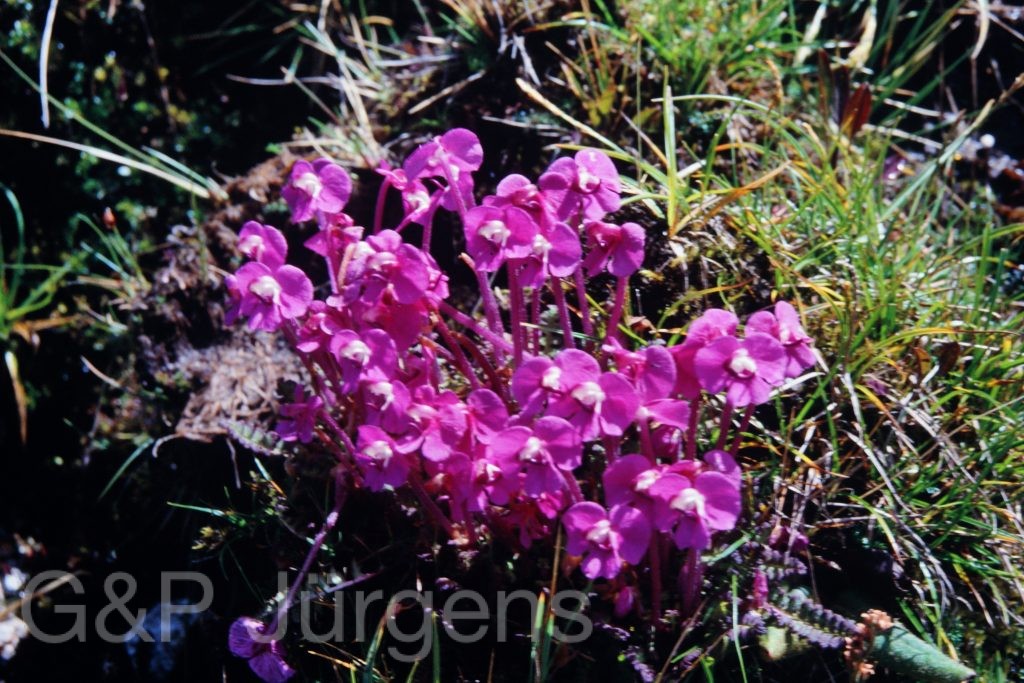
It is a perennial herb with erect or ascending stems arising from a stout rootstock, bearing leaves that are pinnatisect into oblong, doubly toothed segments. The rose-pink to purplish-red flowers are crowded in terminal racemes; the corolla is strongly two-lipped, its most distinctive feature a long, slender, often curved or twisted tubular galea drawn out into a beak (the siphon-like form giving the epithet), with a spreading three-lobed lower lip. The four stamens lie under the galea, and the fruit is an obliquely ovoid capsule containing several seeds.
Like all Pedicularis, it is a hemiparasite, drawing water and nutrients from the roots of neighbouring meadow plants through haustoria while retaining green photosynthetic foliage. The elongate corolla tube indicates pollination by long-tongued bumblebees. Pedicularis is exceptionally species-rich and difficult in the Sino-Himalaya, with corolla architecture central to species delimitation. Widespread and locally abundant, P. siphonantha is not regarded as threatened, though louseworts as a group are sensitive to changes in their host-rich alpine grassland communities.
Author: D.Don · Sources: POWO (Kew), GBIF, Flora of China, Flora of Bhutan, Yamazaki: Pedicularis monograph